
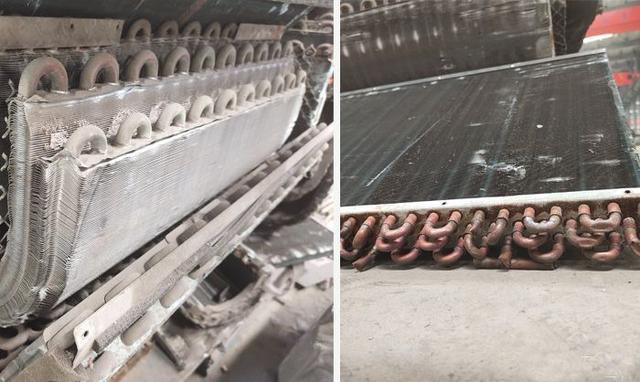
Introduction
Air conditioning units are more than just cooling devices; they hold the keys to significant metal recovery, particularly through AC scrap. Unlocking the value of these components through scrap recycling not only benefits the economy but also supports environmental sustainability. Delving into the world of air conditioning coil scrap recycling, we will explore the methods of collection and preparation, effective cleaning techniques, economic aspects, environmental benefits, and the market strategies that define this industry.
Chapter 1: Collection and Preparation in Air Conditioning Coil Scrap Recycling
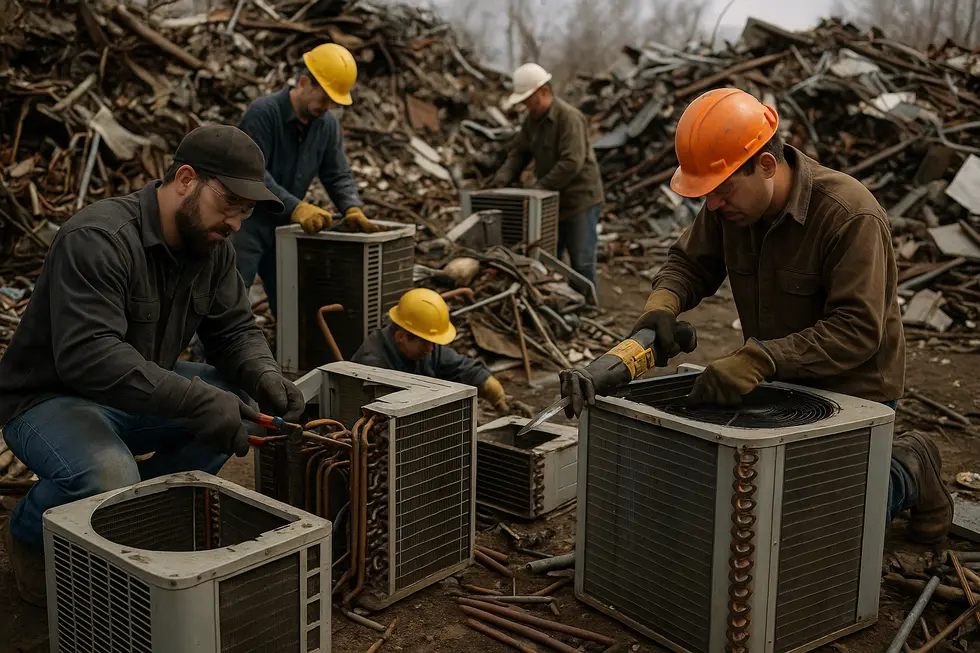
1. Efficient Methods for Collecting Air Conditioning Coil Scrap
Collecting air conditioning coil scrap is a pivotal step in recycling due to the valuable copper and aluminum found within. Initiating with the safe removal of refrigerants, technicians ensure compliance with environmental laws, such as the Federal Clean Air Act. Subsequently, precise cutting techniques offer metal separation without damaging materials or releasing harmful substances. Effective sorting by metal type and contaminant removal improves recycling outcomes, transforming waste into raw materials that contribute to resource conservation and bolster the circular economy.
2. Ensuring Safety and Effective Disconnection Protocols in AC Coil Recycling
In air conditioning coil recycling, safety is paramount, demanding strict disconnection of power to avoid electrical shocks. Certified technicians must handle refrigerant removal to prevent environmental harm, while precision tools and proper gear, such as gloves and eye protection, are essential. Careful inspection of electrical components minimizes risks, ensuring efficient preparation for recycling. More on environmental safety practices.
3. Green Handling: Environmentally Responsible Removal of Refrigerant and Oil
Preparing air conditioning coils for recycling demands conscientious handling of refrigerants and oils. Refrigerant removal occurs first, with certified equipment ensuring legal compliance and environmental safety, crucial to avoiding harmful emissions. Following this, oil inside compressors is drained properly; disposing of oil improperly is prohibited due to its pollution potential. Attention to these steps paves the way for efficient scrap processing while prioritizing ecological responsibility. For further insights, see the benefits of aluminum recycling innovations.
4. Systematic Dismantling and Sorting for Optimal AC Coil Scrap Recovery
Component Dismantling and Sorting is a crucial stage in the recycling of air conditioning coil scrap. Starting with disconnection and disassembly, units are carefully taken apart to prevent damage to the copper and aluminum components. Sorted materials—metals, plastics, electronics—are organized for efficient recycling, while recovered refrigerants mitigate environmental impacts. Cleaning follows, ensuring coils are contaminant-free. This structured methodology safeguards resource recovery and aligns with eco-friendly practices during AC coil reclamation.
5. Precision Approaches: Cutting and Cleaning Techniques for Optimal AC Coil Scrap Preparation
In preparing air conditioning coil scrap, the cutting process begins with system evacuation, a critical step ensuring refrigerants are safely recovered. This is followed by isolating electrical and refrigerant lines to prevent hazards. Precision cutting involves tools like tube cutters and reciprocating saws to sever copper or aluminum tubes cleanly, allowing for higher-quality scrap. Cleaning meticulously removes debris and contaminants, improving recycling success. Ensuring cleanliness prepares coils for efficient metal recovery, optimizing the recycling cycle and reducing environmental impact.
Chapter 2: Cleaning Techniques for Air Conditioning Coil Scrap Recycling
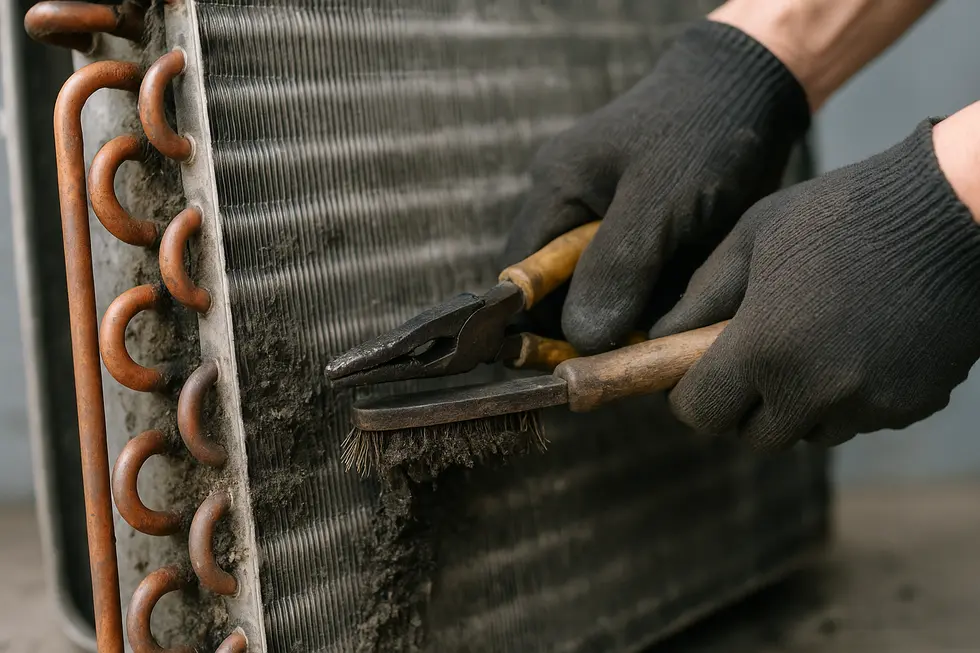
1. Harnessing Mechanical Prowess: Effective Cleaning in Coil Recycling
Mechanical cleaning techniques play a vital role in preparing air conditioning coils for recycling. Using tools like brushes and vacuum cleaners, dirt and debris are physically removed without chemicals, safeguarding metal integrity. Brushing loosens surface grime, while vacuuming efficiently removes dust. A gentle water rinse ensures thorough cleaning without damaging delicate fins. This mechanical approach preserves the economic value of aluminum and copper, making recycling more efficient. Learn more about aluminum recycling innovations.
2. Harnessing Chemistry: Alkaline Techniques for Effective Coil Cleaning
Chemical cleaning of air conditioning coil scrap employs alkaline-based detergents and surfactants to dissolve stubborn grime and oxidation. Key steps involve mixing a solution of 5-25% detergent concentration, applying it for 10-15 minutes, and rinsing with fresh water. These methods efficiently recover clean metal without harming materials, supporting sustainable recycling of finned heating/cooling coils. For detailed procedures, refer to suitable product documentation from marine chemicals suppliers.
3. The Delicate Dance: Why High-Pressure Washers Are Unfit for Coil Cleaning
While high-pressure washers might seem tempting for cleaning air conditioning coils, their power can easily damage the fragile metal fins, risking long-term efficiency losses. Instead, gentle rinsing with a garden hose and a specialized coil cleaner ensures thorough cleansing without harm. This gentle approach is vital to maintaining coil integrity and maximizing scrap value in recycling processes. Handling sensitive components responsibly reflects best practices in sustainable recycling.
4. Harnessing Steam: An Eco-friendly Approach to Coil Scrap Recycling
Steam generators play a pivotal role in air conditioning coil scrap recycling. By producing high-temperature steam, they facilitate controlled heating, essential for efficient metal separation without damaging substrates. This method also aids in removing contaminants like coatings, enhancing the quality of recycled materials. Moreover, steam-based processes are environmentally favorable, reducing emissions compared to traditional methods. This integration promotes sustainability, utilizing waste heat efficiently.
5. Maximizing Metal Recovery through Coil Cleaning
Scrap recycling preparation through effective air conditioning coil cleaning ensures optimal material recovery. Start by powering off units and using safety gear, then disassemble carefully. Remove debris using vacuum or air, ensuring clean drainage. Apply foam cleaner, let it sit, and rinse thoroughly. After reassembly and drying, recycling facilities more effectively recover metals from decontaminated coils. This method not only supports recycling efforts but enhances the efficacy for refurbishing and reuse. More detailed guidance on specific cleaning protocols can be found at HVAC School.
Chapter 3: Economic Viability and Scrap Value in Air Conditioning Coil Scrap Recycling
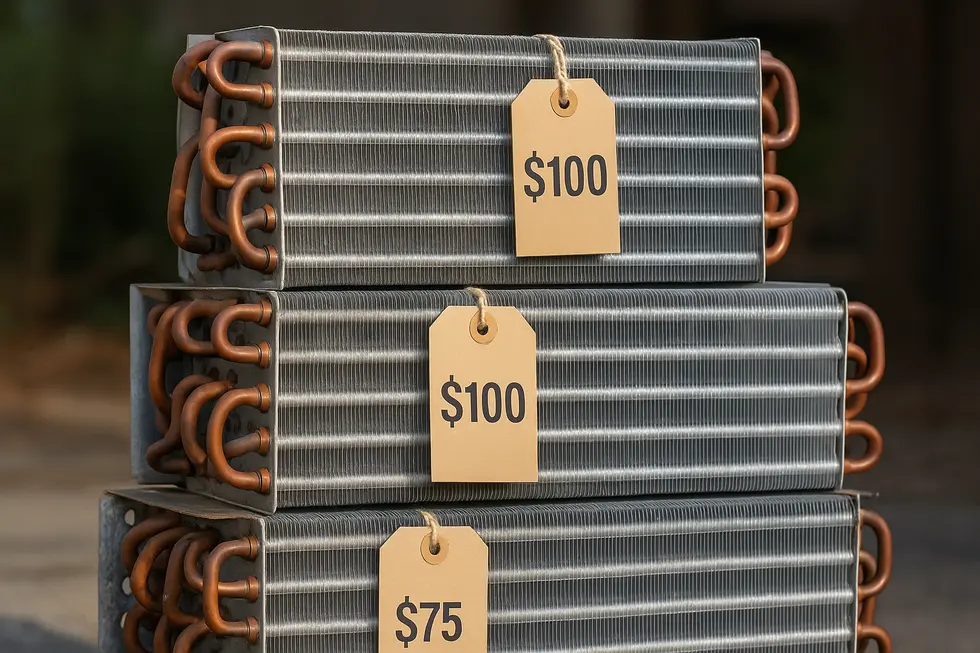
1. Cutting-Edge Techniques Enhancing Economic Returns in AC Coil Recycling
Advanced technologies are reshaping the landscape of air conditioning coil scrap recycling. Mechanical cutting techniques ensure precise extraction of metals, reducing waste. Sorting technologies efficiently separate copper and aluminum, boosting purity and value. Environmental control systems mitigate emissions, aligning with sustainability goals—crucial for economic incentives. Explore cutting techniques for coil scrap to enhance recycling outcomes. These innovations collectively enhance the economic viability of recycling processes, enriching the financial dynamics of the industry.
2. The Dynamic Market Forces Shaping Scrap Value and Economic Viability
The economic viability of air conditioning coil scrap recycling is intricately linked to the fluctuation of metal prices and market demand. Factors such as the composition of aluminum and copper and their corresponding market prices, currently ranging from $1.71 to $2.65 per pound, highlight the profitability in high-value scenarios. Regional supply-demand dynamics further influence scrap prices, as do global trends in metal-reliant industries and geopolitical factors affecting trade. For more insights on market processes, explore innovations in aluminum recycling.
3. Harmonizing Ecological Gains with Economic Incentives
The Environmental Impact Assessment (EIA) in air conditioning coil scrap recycling embraces both ecological and economic lenses. Recycling these coils reduces landfill waste, conserving resources and cutting emissions by 95% compared to primary metal production. Copper’s scrap value significantly enhances recycling’s economic viability. Yet, managing refrigerants in compliance with regulations is vital to prevent ozone-harming leaks, ensuring a synergy between financial benefits and environmental stewardship across HVAC systems.
4. Harnessing Energy Efficiency to Foster Economic Opportunities in AC Coil Recycling
Energy efficiency is pivotal in the economic viability of air conditioning coil recycling. Efficient systems reduce the demand for new materials by extending the life of existing systems, deferring replacement. Recycling copper and aluminum from old coils saves energy compared to producing new materials, contributing to a sustainable circular economy. This process curtails environmental harm and maximizes scrap value, underscoring its significant economic potential.
5. Optimizing Material Recovery Efficiency for Enhanced Economic Returns
Material recovery efficiency (MRE) is the linchpin of economic viability in AC coil scrap recycling. By harnessing effective separation techniques like mechanical disassembly and precise manual scraping, the extraction of copper and aluminum is maximized, driving profitability through elevated scrap value. Integrating advanced processes ensures minimal contamination and waste, boosting both financial returns and environmental benefits. This adherence to MRE principles not only sustains operations economically but also aligns with broader sustainability goals, amplifying the circular economy’s impact. Read more about aluminum recycling innovations.
Chapter 4: Environmental Impact of Air Conditioning Coil Scrap Recycling
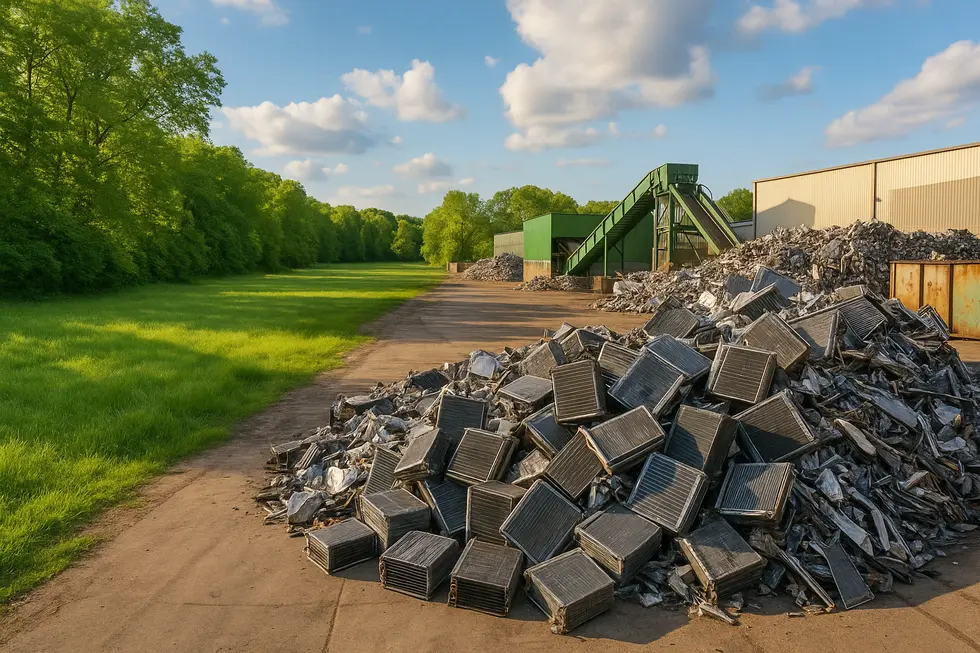
1. Environmental Considerations in Air Conditioning Coil Scrap Recycling
Air conditioning coil scrap recycling not only conserves resources but also reduces environmental harm. Refrigerant recovery is crucial to preventing ozone depletion and greenhouse gas emissions, involving safe evacuation before dismantling. Handling hazardous materials like oils and heavy metals is key to preventing pollution. Furthermore, recycling metals like copper and aluminum saves energy and virgin resources. This practice plays a significant role in achieving a circular economy, supporting sustainability while minimizing landfill waste.
2. Harnessing Environmental Benefits Through AC Coil Scrap Recycling
Recycling air conditioning (AC) coil scrap offers substantial environmental benefits due to the recovery of metals like copper and aluminum. By recycling, energy savings are significant: recycling copper conserves over 80% energy, while aluminum saves up to 95%. It also slashes greenhouse gas emissions by up to 95%, aiding climate change mitigation. Moreover, this process conserves natural resources, minimizes waste, and bolsters a circular economy. Find more insights on recycling innovations at aluminum recycling innovations.
3. Technological Innovations Enhancing Eco-Friendly Coil Recycling
The latest technological innovations in air conditioning coil scrap recycling focus on boosting material recovery while minimizing environmental harm. Advanced sorting and separation techniques ensure high-purity copper by removing surface contaminants, presenting a leap over traditional methods. Direct melting offers significant energy savings, while electrorefining delivers high-purity outcomes despite higher environmental risks. The exploration of alternative materials, like carbon nanotube coils, further underscores the industry’s commitment to sustainability. Learn more about aluminum recycling innovations.
4. Navigating Hurdles and Advancing Technologies in AC Coil Scrap Recycling
The recycling of air conditioning coil scrap is marked by numerous challenges yet invigorated by significant innovations. Complex dismantling processes require skill to safely evacuate refrigerants and recover valuable metals like copper and aluminum. Coils often suffer from material contamination, necessitating laborious cleaning. Additionally, the operational safety concerns due to refrigerant handling demand certified technicians. On the bright side, breakthroughs like carbon nanotube coil technology have begun to reduce reliance on traditional copper, promising a shift in recycling needs. Moreover, advanced precision cutting techniques and improved sorting technologies enhance material recovery and purity. This dynamic between overcoming challenges and incorporating innovations underscores the industry’s evolving nature, driving towards more efficient and environmentally responsible recycling practices. Learn more about aluminum recycling innovations.
5. Innovative Technologies Shaping the Future Impact of AC Coil Scrap Recycling
The future of air conditioning coil scrap recycling holds significant promise due to advanced recovery technologies that can slash greenhouse gas emissions by up to 95%. These techniques, through efficient material segregation and processing, contribute to climate change mitigation. Facilities bolster the circular economy by reclaiming metals, minimizing waste, and implementing water-recycling systems that conserve natural resources. However, refrigerant leaks remain a persistent challenge, requiring stringent regulatory frameworks for effective management. As innovations advance, the sector will further align with global climate goals, promoting sustainable growth.
Chapter 5: Market and Selling Strategies in Air Conditioning Coil Scrap Recycling
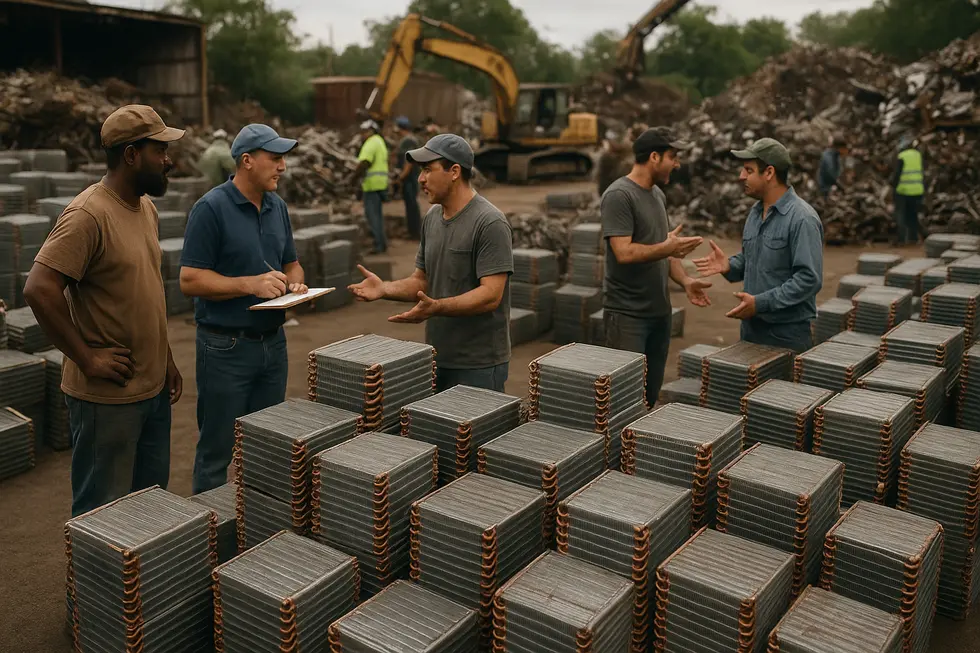
1. Deconstructing Market Forces in AC Coil Scrap Recycling
The market dynamics in air conditioning coil scrap recycling are intricately shaped by material composition, pricing trends, and supply-demand fluidity. The intrinsic value lies in the copper and aluminum, with aluminum copper radiators valued around $1.71/lb. Pricing oscillates with economic cycles and regional supply, influenced by recycling participation and construction booms. Environmentally, careful processing, like oil drainage from components, sustains eco-compliance. Staying updated with platforms like ScrapMonster ensures price vigilance and competitive edge.
2. Harnessing Strategic Alliances and B2B Networks for AC Coil Scrap Success
In the dynamic field of air conditioning coil scrap recycling, forming strategic partnerships with key industry players unlocks new opportunities. Collaborate with companies specialized in metal recycling to gain access to cutting-edge technologies and expansive market reach. Utilizing B2B platforms is crucial in connecting with manufacturers and recyclers, ensuring efficient distribution of coil scrap. Engage with expert teams to tailor recycling solutions that meet stringent environmental and quality standards, supporting sustainability and economic growth. One strategic example includes Scrap Management Industries’ recent expansion, which showcases the potential of industry collaboration.
3. Maximizing Profits with Strategic Pricing in Coil Scrap Markets
Optimizing financial returns in air conditioning coil scrap recycling requires a keen understanding of market dynamics and metal values. The fluctuating prices of metals, like $1.71 to $1.94 per pound for aluminum copper radiators, stress the importance of constant market monitoring. Strategic pricing should balance these fluctuations with operational costs for sustainable margins, while efficient dismantling and sorting of high-purity metals ensure top-dollar returns. Aluminum Recycling Innovations offers insights into enhancing metal processing efficiency.
4. Boosting Environmental Benefits and Market Visibility through Advanced Recycling Strategies
Incorporating sustainability and innovation into air conditioning coil scrap recycling enhances both environmental benefits and market visibility. Advanced recovery processes reduce greenhouse emissions by 95%, optimizing the sorting of rare earth elements with reduced waste and energy costs. Eco-friendly coatings, like nanocoatings, extend coil durability, supporting market demands for sustainable products. These innovations foster circular economy integration, offering compelling market appeal. More on aluminum recycling advancements can be found here.
5. Transforming Efficiency: The Role of Advanced Sorting Technologies
Incorporating advanced sorting technologies into air conditioning coil scrap recycling processes has significantly elevated both efficiency and sustainability. Facilities now deploy mechanical shredding, electromagnetic separation, and AI-driven optical sorting systems to segregate valuable metals like rare earth oxides with precision. This advanced approach not only boosts metal recovery rates but also reduces emissions, marking a crucial step towards eco-friendly recycling. Discover the detailed impact on sustainability by exploring more about aluminum recycling innovations.
Final Thoughts
Air conditioning coil scrap recycling offers a sustainable and economically viable avenue for metal recovery. By focusing on effective collection, preparation, and market strategies, this practice not only reduces waste but also supports environmental goals and economic growth. Engaging in this recycling process allows businesses and individuals to contribute meaningfully to the circular economy.
At Al Zuhour Al Hamra, we are committed to driving innovation and sustainability in aluminum recycling. We invite you to contact us for expert advice on integrating the latest technologies into your operations. Our team provides services and consultations tailored to your specific recycling needs and sustainability goals.
– Get a quote for your scrap recycling scenario
– Request a detailed consultation on emerging practices that can enhance your recycling outcomes
As we journey towards a sustainable future, let Al Zuhour Al Hamra be your partner in achieving excellence in HVAC equipment recycling. Together, let’s lead the way recycling innovations with a commitment to sustainability and CO₂ reduction.
About Us
Al Zuhour Scrap, based in Sharjah, UAE, is a fully licensed and ISO-certified company specializing in the environmentally responsible recycling and disposal of HVAC equipments, FCU Units, Chillers, Air Conditioners, Compressors. Established with a vision to lead sustainable waste management in the Gulf region, we have grown into a trusted partner for both public and private sector clients.
Get Best rate of your AC disposal Contact US
Our operations are grounded in best environmental practices, strict zero-landfill policies, and a focus on material recovery that supports long-term sustainability for our clients and the planet alike.
