

Introduction
Zorba aluminum scrap, a blend of non-ferrous metals primarily sourced from automotive and industrial wastes, plays a vital role in aluminum recycling. Its high aluminum content makes it a cornerstone in creating new aluminum products. Understanding its supply chain, technological advancements in refining, economic factors influencing prices, and environmental benefits offers a comprehensive view of its significance. Each chapter delves into these aspects, highlighting the pivotal role Zorba aluminum scrap plays in modern recycling.
Chapter 1: Understanding Zorba Aluminum Scrap and Its Composition

1. Technological Innovations in Zorba Aluminum Scrap Processing
Understanding and processing Zorba aluminum scrap involves an array of advanced technological methods designed to maximize recycling efficiency. Initially, mechanical separation through electromagnetic systems removes ferrous contaminants. Nonferrous metals like aluminum are then sorted using cutting-edge technologies such as X-ray transmission (XRT) and Laser-Induced Breakdown Spectroscopy (LIBS). These ensure accurate metal differentiation enhancing recycling outcomes. For further insights into these technological advances, see Aluminum Recycling Innovations. Finally, compositional analysis, utilizing optical emission spectroscopy and X-ray fluorescence, guarantees that alloys retain high-quality standards post-recycling.
2. The Economic Influence of Zorba Aluminum Scrap: Navigating Challenges and Embracing Opportunities
Zorba aluminum scrap profoundly impacts the global economy through its dynamic position within the recycling market. Regulatory challenges in key regions like Southeast Asia complicate trade but also create opportunities for adaptable suppliers. Innovations such as X-ray transmission enhance zorba’s economic viability by improving recycling efficiency. Navigating these landscapes is vital for sustained growth, shaping a more sustainable and economically robust aluminum industry. Visit the RecyclingProductNews for more insights.
3. The Geopolitical Maze: Navigating Zorba Aluminum Scrap Trade
Zorba aluminum scrap’s global trade is immensely influenced by geopolitics, particularly in regions like Southeast Asia where it faces stringent import rules. Thailand, viewing zorba as e-waste, enforces tight regulations, altering shipment routes and escalating costs. This regulatory climate affects the supply, impacts pricing, and underscores the need for stakeholders to carefully navigate these political landscapes. Discover more
4. Societal Impacts of Mastering Zorba Aluminum Scrap Details
Understanding Zorba aluminum scrap deeply impacts society by enhancing recycling processes, which reduce environmental footprints and conserve resources. Comprehending its composition allows for advanced recycling technologies, like Dynamic LIBS, maximizing purity in aluminum reuse. This fosters sustainability in industries utilizing aluminum, aligning with circular economic models meant to innovate and promote eco-friendly practices. Read more on aluminum innovations. Source
5. Harnessing the Green Potential: Exploring Zorba Aluminum Scrap’s Environmental Impact
Zorba aluminum scrap, with its high aluminum content, plays a pivotal role in environmental sustainability. Recycling this scrap significantly cuts down energy use, reducing greenhouse emissions. It also decreases the need for raw bauxite mining, conserving natural resources. Efficient Zorba recycling minimizes landfill waste, promoting eco-friendly practices. To learn more about the benefits of purchasing aluminum scrap, explore the linked resource.
Chapter 2: Supply Chain Dynamics in Zorba Aluminum Scrap Recycling

1. Innovation and Strategy in Stabilizing Zorba Aluminum Supply Chains
Sourcing and Supply Chain Stability in Zorba Aluminum Scrap Recycling is increasingly reliant on advanced sorting technologies and robust global sourcing strategies. Cutting-edge solutions like AI-driven sorting by companies such as TOMRA, using X-ray and RGB imaging, have enhanced the purity of aluminum fractions, stabilizing supply quality. Leveraging platforms like Volza, recyclers analyze trade frequency and agreements, hedging against disruptions. Integrating these technologies with market intelligence optimizes supply chain resilience. Discover more on recycling innovations. Learn more about TOMRA’s sorting advancements in Recycling Product News.
2. Revolutionizing Zorba Recycling: The Rise of Cutting-Edge Sorting Technologies
Advanced sorting technologies play a pivotal role in Zorba aluminum scrap recycling, transforming mixed metallic waste into high-purity fractions. X-ray Transmission (XRT) technology, exemplified by TOMRA’s X-TRACT system, sorts aluminum from heavier metals by detecting atomic densities. Similarly, deep learning innovations like GAINnext utilize RGB cameras and algorithms to enhance accuracy. These advancements not only boost economic viability but also support sustainable practices by maximizing scrap purity and minimizing waste. Explore Aluminum Recycling Innovations
3. Harnessing Advanced Technology for Optimal Processing of Zorba Aluminum Scrap
Modern recycling of Zorba aluminum scrap pivots on processing efficiency and quality. Advanced sorting technologies, such as sensor-based systems and laser-induced breakdown spectroscopy (LIBS), transform mixed metal streams into high-purity aluminum. These systems, bolstered by AI and robotics, enhance throughput and minimize contamination. Consistent quality control across the supply chain ensures recycled content meets industry standards, supporting resource efficiency and environmental goals source.
4. Navigating Market Trends for Profitability in Zorba Scrap Recycling
The profitability of Zorba aluminum scrap recycling hinges on astutely navigating market dynamics. Demand for high-purity aluminum alloys, driven by sectors like automotive, dictates profitability margins. Advanced sorting technologies utilizing AI enhance market competitiveness by achieving superior purity levels, thus commanding higher prices. Additionally, governmental incentives encourage the use of recycled materials, amplifying profitability potential. For a deeper dive into technological advancements, explore synthetic ethos AI credibility.
5. Global Strategic Sourcing: Navigating Compliance and Market Dynamics in Zorba Aluminum Scrap
Global strategic sourcing of Zorba aluminum scrap demands a smart blend of compliance, market intelligence, and cost-control. As Southeast Asian regulators now classify inbound Zorba as e-waste, importers must meet stricter rules—Maersk, for example, requires advance indemnity clauses and container-deposit insurance for Thailand shipments. Success hinges on proactive planning: analyze free-trade agreements on platforms like Volza, secure preferential tariffs, and budget for evolving documentation fees. At the same time, buyers should diversify supply chains; India’s booming processing capacity offers a reliable alternative that cuts transit risk and shortens lead times. By combining diversified procurement routes with transparent chain-of-custody reporting, recyclers can lock in consistent metal flows, meet ESG targets, and slash overall landed cost. In a tight aluminum market, the winners will be those who treat compliance not as a hurdle but as a competitive edge—turning regulatory complexity into sustainable, profitable growth.
Import Regulations & Market Overview
Chapter 3: Technologies in Zorba Aluminum Scrap Recycling for High Purity Extraction

1. Innovative Sorting Methods in Zorba Aluminum Recycling
Zorba aluminum scrap recycling has revolutionized the extraction of high-purity aluminum using cutting-edge technologies. Advanced methods like X-ray Transmission (XRT) and deep learning systems are at the forefront, ensuring that valuable aluminum is efficiently separated from other metals. These technologies not only enhance the quality of recycled aluminum but also pave the way for sustainable recycling practices. For further insights into these tech advancements, check out Aluminum Recycling Innovations.
2. Innovative Sorting Techniques Boosting Aluminum Purity and Efficiency
Advanced sorting technologies are key in refining Zorba aluminum scrap, enhancing recycling efficiency and purity. Technological breakthroughs, like X-ray Transmission sorting, effectively separate aluminum from heavy metals, ensuring high-quality outputs. AI and deep learning further refine this process, maximizing recycling potential and environmental benefits. By refining extraction processes, these technologies significantly decrease energy use and emissions, directly supporting global sustainability efforts. Learn more about these innovations.
3. Harnessing Magnetic Separation for Superior Zorba Aluminum Recycling
In the realm of Zorba aluminum scrap recycling, magnetic separation stands as a pivotal technology. It efficiently removes ferrous metals from the mixed scrap using potent rare-earth magnets, notably Neodymium, ensuring only non-magnetic aluminum remains. Coupled with eddy current separators, the process refines the scrap by isolating non-ferrous metals like copper. This method not only boosts aluminum purity but also enhances the economic efficiency of recycling endeavors. For more information on these technologies, explore RecyclingInside – Aluminum Recycling.
4. Innovative Technologies Driving Zorba Aluminum Recycling for Sustainability
The recycling of zorba aluminum scrap is revolutionized by innovations like X-ray transmission (XRT) and deep learning technologies. These advancements, utilized by industry leaders such as TOMRA Recycling, enable precise material sorting, maximizing aluminum purity and reducing CO2 emissions. The deep learning-based systems enhance the detection capability, achieving premium purity levels. Explore the role of recycling innovations in promoting sustainable practices here.
5. Emerging AI and Machine Learning Trends in Zorba Scrap Recycling
Advancements in AI and machine learning are paving the way for more refined Zorba aluminum scrap recycling. These innovations aim to enhance sorting efficiency and maximize material recovery. Integrating technologies like deep learning with existing systems allows for higher purity yields, essential for meeting market standards. As the industry evolves, sustainability initiatives such as Novelis’ “3×30 vision” underscore the importance of leveraging technology for circularity. Read our insights on aluminum recycling innovations.
Chapter 4: Economic Factors Influencing Zorba Aluminum Scrap Prices
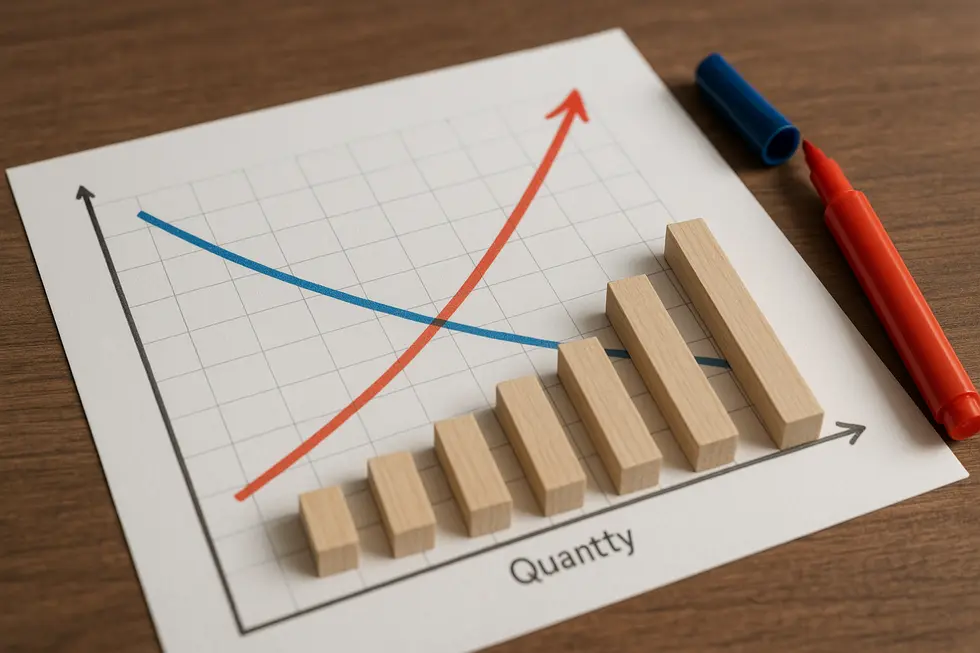
1. Interplay of Supply and Demand in Zorba Aluminum Scrap Market
Zorba aluminum scrap prices are intricately influenced by supply and demand. Regulatory hurdles, like those in Southeast Asia, disrupt supply by enforcing strict import classifications. Concurrently, demand is swayed by seasonal variations and global aluminum market fluctuations. With aluminum prices soaring, the race to secure zorba intensifies, reflecting the complex economic ecosystem of aluminum recycling. For further insights, explore synthetic ethos AI credibility.
2. Global Market Dynamics: Shaping Zorba Aluminum Scrap Prices
In the intricate landscape of Zorba aluminum scrap pricing, global market conditions exert a profound influence. Predominantly, prices are shaped by supply-demand dynamics and trade tensions, which introduce volatility. For instance, Southeast Asia faces heightened scrutiny and import regulations, leading to potential price surges. Moreover, variations in regional market dynamics, such as those in Shanghai and Jiangxi, further complicate the pricing structure, illustrating the interconnectedness of these economic components Import Regulations Southeast Asia Guide 2025.
3. Global Politics: The Invisible Hand in Zorba Scrap Pricing
Geopolitical dynamics shape the fluctuating prices of Zorba aluminum scrap, being crucial to market trends. Events like US-China trade tensions and tariffs disrupt global trade lanes, affecting supply chains. Regions like South Africa, due to geopolitical shifts, become alternative sources, reshaping pricing. Political stability, like Middle Eastern ceasefires, further influences demand and pricing equilibria. Learn more about global trade shifts.
4. The Role of Quality and Type in Shaping Zorba Scrap Prices
Quality and Type Considerations in Economic Factors Influencing Zorba Aluminum Scrap Prices
Quality and type are pivotal in determining Zorba aluminum scrap pricing. High aluminum purity in this mixed metal influences pricing, with purer scraps commanding higher rates. Certification enhances market value by ensuring standard compliance, while meticulous handling prevents degradation during transport. Reliable suppliers attract premium pricing due to reduced procurement risks. Market factors like demand and geopolitical conditions also sway prices. For deeper insights into scrap quality impacts, explore certified practices.
5. Understanding Local and Regional Dynamics in Zorba Aluminum Scrap Pricing
Zorba aluminum scrap prices are significantly influenced by local and regional economic variables. Local factors such as the demand at scrap yards and regulatory environments directly impact pricing. Industrially active regions often experience higher demand, pushing prices upward, while environmental policies could dictate supply levels. Meanwhile, regional influences include broader economic and geopolitical conditions. For businesses, comprehending these variables is critical to effective market navigation. Learn more about local factors influencing aluminum can prices on iScrap App
Chapter 5: Environmental and Resource Efficiency Benefits of Zorba Aluminum Scrap Recycling

1. Eco-Friendly Advantages of Recycling Zorba: Conserving Energy and Reducing Waste
Recycling Zorba aluminum scrap significantly diminishes environmental impact by slashing energy consumption by 95% compared to primary aluminum production. This shift reduces greenhouse gas emissions and mitigates climate change effects. By recycling, we conserve bauxite resources and cut waste going to landfills, enhancing sustainability. Technological advancements in sorting technologies further augment these environmental benefits, improving purity and market value. Learn more about aluminum recycling innovations.
2. Enhancing Reusability: Resource Efficiency Through Zorba Aluminum Scrap Recycling
Zorba aluminum scrap plays a pivotal role in resource efficiency by maximizing material reusability. Utilizing advanced sorting technologies like X-ray Transmission (XRT) and AI algorithms ensures the extraction of high-purity aluminum fractions. This not only reduces dependence on energy-intensive primary production but also diminishes environmental impact. Thus, recycling Zorba supports a circular economy by transforming complex scrap into valuable raw materials efficiently, as highlighted in aluminum recycling innovations.
3. Revolutionizing Recycling: Technological Innovations in Zorba Aluminum Scrap Sorting
Recent technological advancements have greatly improved Zorba aluminum scrap recycling efficiency. Cutting-edge sorting methods, including X-ray transmission and Dynamic LIBS, enable precise metal distinction, enhancing aluminum purity while reducing environmental waste. TOMRA’s X-TRACT technology refines scrap into high-purity Twitch, with further purification achieved by GAINnext, maximizing production sustainability. Additionally, hydraulic machinery and robotics automate processes, elevating operational efficiency. For comprehensive insights into these innovations, visit recyclingproductnews.com.
4. Navigating the Maze: Regulatory Compliance in Zorba Aluminum Recycling
Regulatory compliance is integral to zorba aluminum scrap recycling due to its necessity in meeting environmental standards and maintaining public trust. In places like the European Union, regulations ensure recycled materials like zorba meet high quality benchmarks, enhancing both environmental health and market confidence. However, the cost and complexity of compliance pose challenges, especially with varying international standards. Read more about regulatory challenges here.
5. Global Trade Dynamics and Zorba Aluminum: Navigating Economic and Geopolitical Waves
The global trade in Zorba aluminum scrap is influenced by intricate economic and geopolitical dynamics. Economically, advances in sorting technologies have opened new markets by enhancing aluminum purity, as highlighted by Recycling Product News. Geopolitically, regulatory challenges like Thailand’s misclassification of materials underscore the importance of proper trade categorization. Navigating these complexities is crucial for stakeholders aiming to benefit from Zorba recycling’s economic potential.
Final thoughts
Zorba aluminum scrap recycling transforms industrial and automotive waste into high-quality, reusable aluminum—supporting a circular economy by reducing landfill use, conserving raw materials, and lowering carbon emissions. At Al Zuhour Al Hamra, we harness cutting-edge technologies and rigorous sustainability practices to extract maximum value from every load.
Our end-to-end recycling services include secure collection and environmentally safe processing—all carefully aligned with our commitment to planetary stewardship. We document verified CO₂ offsets, water savings, and material recovery rates, highlighting our dedication on the Environment & Sustainability page. These metrics empower our clients to confidently achieve their own ESG goals.
By combining industry insight with real environmental impact, Al Zuhour Al Hamra is redefining what it means to recycle aluminum—making it smarter, cleaner, and more efficient. Interested in tailored solutions or a personalized quote?
About us
Al Zuhour Al Hamra Metal Scrap Tr. LLC is a leading recycling company in the UAE, buying and processing scrap from Abu Dhabi, Dubai, and beyond. We specialize in Zorba aluminum scrap—including wheels, cables, cubes, and bars—accepting various forms and purity levels to support industrial reuse and sustainable manufacturing.
Our operations follow strict environmental standards, including a zero-landfill policy and advanced recovery systems. We integrate Global Reporting Initiative (GRI) standards to provide clients with clear, traceable data on waste diversion, carbon reduction, and material recovery.
By recycling metals, e-waste, batteries, and IT assets, we help local and international partners meet their sustainability and ESG goals. With competitive pricing, transparent assessments, and eco-conscious solutions, Al Zuhour Al Hamra ensures cost-effective recycling that protects the environment while maximizing value.
Contact us to sell your Zorba aluminum scrap and join us in building a greener, circular economy.
