
Introduction
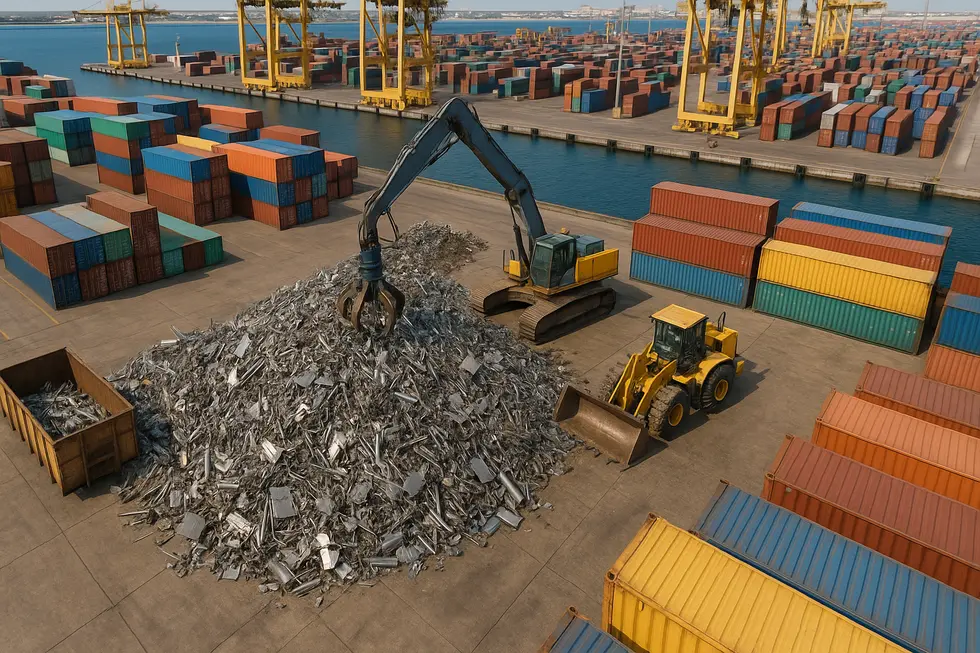
The stainless steel scrap market in the UAE is a vital component of the country’s recycling and sustainability efforts. Serving as both a hub for trade and a center for innovation, the UAE features numerous key players that contribute to the dynamic landscape of stainless steel scrap buying and selling. This article delves into the intricate network of buyers and sellers, trading platforms, regulatory standards, and sectoral demands that define this thriving market. By examining these elements, we gain a comprehensive understanding of how stainless steel scrap plays a pivotal role in the UAE’s industrial and environmental strategies.
Chapter 1: Overview of the Stainless Steel Scrap Market in UAE
1. Navigating the Impact of UAE’s Stainless Steel Scrap Export Ban
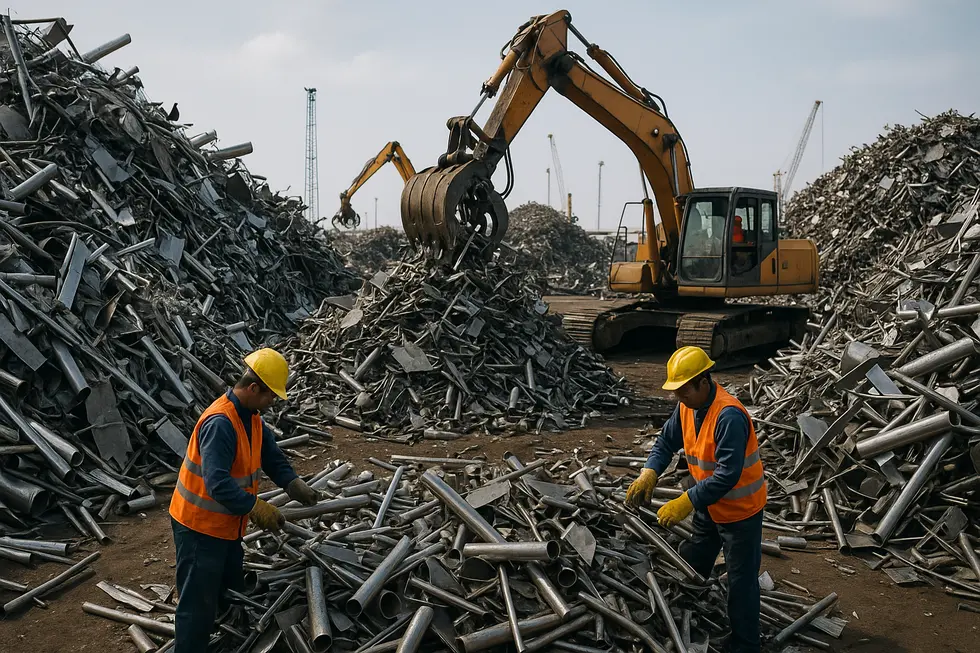
The UAE’s export ban on stainless steel scrap, effective for four months starting May 15, disrupts international supply chains critically. This restriction hinders export opportunities, causing a temporary domestic surplus and subsequent price volatility. Locally, prices might drop due to increased supply, fostering higher usage within UAE’s burgeoning industries. Regionally aligned with strategies like Saudi Vision 2030, the ban aims to redirect low-value scrap from exports to enhancing domestic processing capacities. These shifts could influence growth in the Middle East’s stainless steel market, projected to reach USD 22.41 billion by 2032. Learn more about this regulatory move here.
2. Navigating Demand and Trade Dynamics in the UAE’s Stainless Steel Market
The UAE’s stainless steel scrap market is witnessing significant shifts, prominently influenced by a temporary export ban on ferrous scrap. This restriction, imposed to support domestic steel production, unexpectedly pressures South Asian markets, historically reliant on UAE exports. Meanwhile, regional demand surges, fueled by projects in automotive, construction, and aerospace, showcasing sustainability efforts pivotal for market adaptation. Further insights can be found on Argus Media’s UAE bans ferrous scrap exports for four months.
3. Navigating Regional Shifts and Global Trends in the Stainless Steel Scrap Market
The UAE’s stainless steel scrap market is intricately woven into both regional shifts and global trends, marking its strategic importance as a ferrous scrap supplier and consumer. Regionally, the recently imposed four-month ban on ferrous scrap exports aims to ensure local supply for domestic steelmakers, disrupting South Asian supply chains historically reliant on UAE exports 1. As the UAE was India’s largest and Pakistan’s second-largest supplier in 2019, this move is expected to increase import prices in these regions 1. Meanwhile, GCC countries emphasize local value addition, boosting domestic demand for specialized products 2. Globally, the stainless steel market is growing, driven by infrastructure needs and sustainable practices, paralleling technological advancements like duplex stainless plates in Europe 2. Regional policies like the UAE’s export ban ripple through global supply chains, affecting availability and pricing elsewhere 1.
4. Economic Shifts Stemming from the UAE’s Scrap Export Ban
The UAE’s ferrous scrap export ban, effective for four months from May 15, has considerable economic repercussions. By prioritizing local steelmakers who face global supply chain issues, domestic production is supported but also disrupts South Asian markets heavily reliant on UAE scrap. This affects India and Pakistan significantly, where import costs are likely to escalate. As South Asian countries pivot to Europe or North America for scrap, global markets might face heightened volatility, with increased competition among suppliers seeking new outlets. This scenario encourages local investments in recycling infrastructure within the UAE, aligning with sustainable practices and fostering robust value chains source.
5. Technological Innovations Propelling UAE’s Stainless Steel Scrap Market
The UAE’s stainless steel scrap market is undergoing a transformation fueled by technological advancements aimed at increasing efficiency and sustainability. Electric Arc Furnace (EAF) technology is pivotal, reducing carbon emissions and enhancing recycling rates. Additionally, advances in alloy formulations are driving the production of specialized steels needed in burgeoning industries like aerospace and renewable energy. Furthermore, new regulations in ship recycling ensure environmentally sound practices, bolstering the quality and supply of scrap materials. These innovations collectively secure domestic resources and promote an eco-friendly market landscape.
Chapter 2: Key Players: Buyers and Sellers of Stainless Steel Scrap in UAE
1. Navigating Market Regulations: Impact on Stainless Steel Scrap Trade in UAE
The UAE’s recent ban on ferrous scrap exports, including stainless steel, is reshaping market dynamics. Implemented to bolster local steelmakers, this regulation significantly affects the supply chain, notably impacting exporters and importers like those in India and Pakistan. This strategic move may lead to higher competition and potentially inflated prices in South Asia, altering global market economics. Read more on export ban implications.
2. Dynamic Evolution: Top Exporters Shaping UAE’s Stainless Steel Scrap Market
The UAE’s stainless steel scrap market, predominantly driven by exporters like Best Metal Steel Trading LLC and Crown Steel Trading LLC, recently faced disruption due to a government-imposed export ban starting May 15, 2025. These companies had previously positioned the UAE as a pivotal supplier to South Asian markets. The ban, affecting goods under HS code 720421, was aimed at stabilizing local steel production challenges. These key sellers are poised to regain their market influence post-ban UAE Bans Ferrous Scrap Exports for Four Months.
3. Strategic South Asian Connections: UAE’s Role in Supplying International Markets
The UAE serves as a pivotal hub for the scrap supply chain, significantly impacting markets like South Asia. Notably, it is a leading ferrous scrap provider to India, accounting for 16% of imports, and a vital supplier to Pakistan. Temporary export bans have shown the UAE’s influence on regional pricing dynamics. These intricate trade relationships underpin the essential role of UAE in global recycling networks. Learn more about UAE’s international suppliers.
4. Environmental Stewardship and Compliance Among UAE Scrap Metal Leaders
In the UAE, key players in the stainless steel scrap industry exemplify exemplary regulatory compliance and environmental responsibility. Companies are meticulously aligning with the Ship Recycling Regulation, which mandates sustainable ship dismantling, while pivotal firms like Bee’ah and Cleanco are at the forefront of diverse waste management efforts. The UAE further strengthens its environmental goals by banning single-use plastics and fostering a circular economy through innovative recycling practices.
More detailed information can be found at SteelRadar.
5. Economic Turbulence: The Rippling Effects of Stainless Steel Export Bans in the UAE
The UAE’s strategic role in the global ferrous scrap market became pivotal when a four-month export ban on ferrous scrap was imposed starting 15 May 2025. This decision, aiming to stabilize domestic steel production amid economic uncertainties post-pandemic, notably impacted India and Pakistan, who significantly rely on UAE exports. With 1.15 million tonnes in 2019, India’s dependency, along with Pakistan’s import levels, highlights the ban’s economic impact. This shift may increase prices and intensify competition for alternative supplies, affecting global markets. For further insights on industry shifts, explore more here.
Chapter 3: Trading Platforms and Market Dynamics for Stainless Steel Scrap in UAE
1. The Ripple Effects of Market Dynamics on Stainless Steel Scrap Trade in UAE
The UAE’s stainless steel scrap market is shaped by several dynamic factors. The four-month ferrous scrap export ban, aimed at preserving domestic supply, is pivotal. Rising regional demand, driven by construction and automotive sectors, emphasizes sustainability and the use of recycled materials. Global supply chains face pressures, sparking price shifts beyond the UAE. Together, these dynamics create a complex trade environment. For more details, explore Argus Media.
2. Harnessing Global Trade Platforms for Efficient Trading
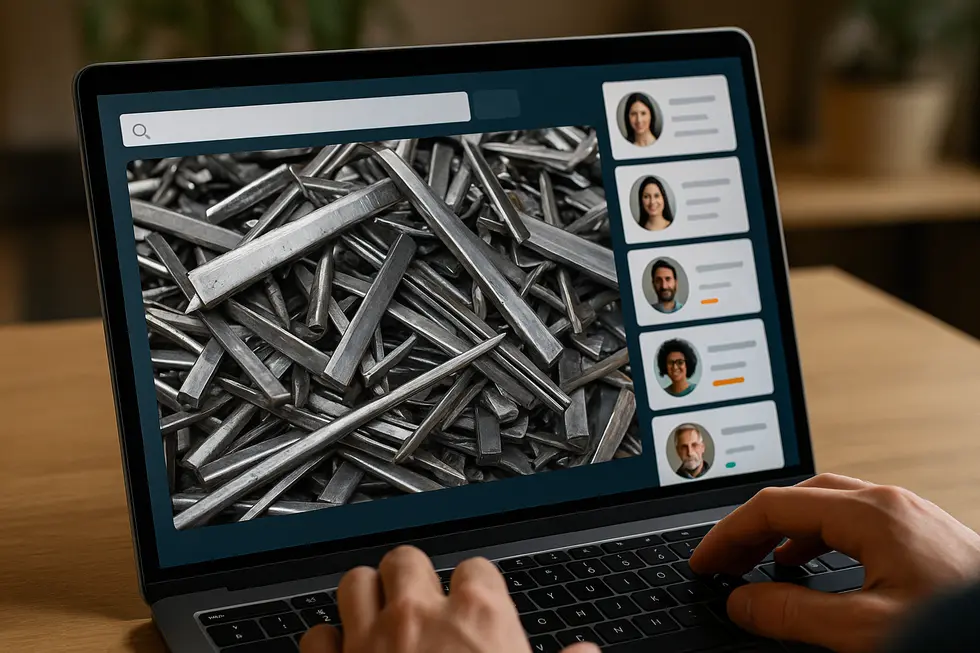
In the UAE, navigating stainless steel scrap trade requires leveraging platforms like Go4WorldBusiness, which connect buyers efficiently to international and local markets. While UAE-specific platforms are limited, global platforms offer vital connections and listings for different stainless steel products. Meanwhile, sites like LOHAA provide a broad marketplace for diverse metal scrap categories, further enriching trading opportunities. For more details, visit Go4WorldBusiness – UAE Stainless Steel Buyers.
3. Price Trends and Market Insights: Charting the Course for UAE’s Stainless Steel Scrap Trade
In the UAE, stainless steel scrap prices are fluid yet stable, shaped by global trends and local market nuances. As of mid-2025, prices hovered between $345 and $347 per tonne, aligning with international indices like the LME Turkey CFR, standing at about $351. Factors such as quality grade, quantity, and supplier reliability heavily influence these dynamics. This underscores the importance of strategic sourcing and leveraging import/export analytics. The burgeoning Middle Eastern scrap market, projected to reach USD 22.41 billion by 2032, offers promising opportunities for strategic market players.
4. Navigating Import and Export Dynamics in the UAE Stainless Steel Scrap Market
The stainless steel scrap market in the UAE is undergoing dynamic shifts due to recent regulatory actions. As of May 2025, a four-month export ban on all ferrous scrap, including stainless steel, significantly alters trade relationships. This policy primarily aims to support local steelmakers with essential resources amid persistent pandemic-related disruptions. South Asian markets, once heavily dependent on UAE exports, are experiencing ripple effects reflected in increased import costs and shifting global supply chains. For more detailed insights, consult the Argus Media report. These developments underscore the intricate balance of regulatory measures and market forces in this vibrant sector.
5. UAE’s Strategic Influence in Global Stainless Steel Scrap Trade
The UAE holds a pivotal role in the global arena, leveraging its strategic location and impressive infrastructure to facilitate international trade. As a central hub, it connects global buyers and suppliers of stainless steel scrap, enhancing market dynamics. The UAE capitalizes on its B2B platforms, boosting connectivity in the industry. This regional prominence not only augments its economic stature but also ensures a sustainable supply chain in stainless steel scrap trade. Explore international suppliers.
Chapter 4: Regulatory Compliance and Environmental Practices in Stainless Steel Scrap Trading
1. Ensuring Compliance in UAE’s Stainless Steel Scrap Market
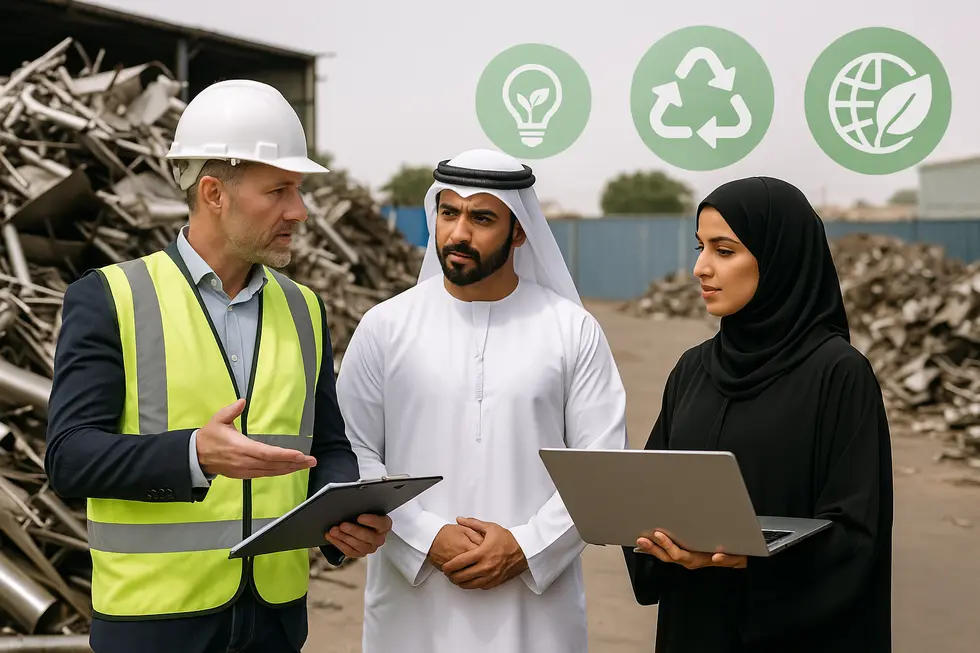
Navigating the stainless steel scrap market in the UAE requires rigorous adherence to complex legal frameworks aimed at environmental protection. Ensuring compliance involves embracing international guidelines such as the REACH regulation for safe use and disposal, as well as local environmental laws. Companies must align their practices with these rules to guarantee sustainable operations in a market driven by both local and international trade agreements. See more about our environmental compliance.
2. Pioneering Green Initiatives: Environmental Standards and Ethical Sourcing Challenges
The implementation of Environmental Standards and Ethical Sourcing is critical in UAE’s stainless steel scrap market. Leveraging high-recycled-content production and Electric Arc Furnace (EAF) technology significantly minimizes CO2 emissions, promoting ecological sustainability. Efforts to maintain transparency through certifications like EPDs and frameworks for responsible sourcing further bolster industry integrity. Despite these advancements, challenges like protectionism and green certification inconsistencies persist, necessitating ongoing alignment of global standards and practices alongside policy support. For further insights, visit our environment section.
3. Technological Innovations Transforming Stainless Steel Scrap Recycling in the UAE
The UAE’s stainless steel scrap market is witnessing transformative changes due to innovative recycling technologies. These advancements, such as Electric Arc Furnace (EAF) technology, drastically reduce emissions by maximizing the use of recycled materials, paving the way for “green steel”. Enhanced sorting techniques ensure high-quality scrap processing, crucial for the UAE’s sustainable development goals. By lowering energy consumption and decreasing reliance on virgin resources, these innovations support both economic growth and environmental stewardship.
For more details on the role of recycling, visit Green Steel and Recycling.
4. Balancing the Books: Economic Impact of Compliance in Stainless Steel Scrap Trading
Economic Impact of Compliance in stainless steel scrap trading is profound. Regulatory adherence incurs substantial costs—investment in pollution controls and increased import tariffs elevate expenses. These costs can shrink margins as global trends push prices down. However, compliance fosters sustainable practices boosting the industry’s reputation. It stabilizes markets by protecting against cheap imports, maintaining fairness. Discover more on sustainable practices here.
5. Exploring Global and Regional Frameworks for Compliance in Stainless Steel Scrap Markets
The global stainless steel scrap market is shaped by diverse compliance models across regions. Europe’s framework prioritizes recycling and environmental standards, while Asia’s dynamics, particularly in China, vary by province. The decline in Nickel Pig Iron prices further complicates these compliance landscapes, impacting scrap viability. Understanding these models is crucial for market navigation and adherence to various environmental and regulatory measures. More on compliance available at OECD resource.
Chapter 5: Sectoral Demand Drivers for Stainless Steel Scrap in UAE
1. The Pivotal Role of Steel Production in Shaping Stainless Steel Scrap Demand in UAE
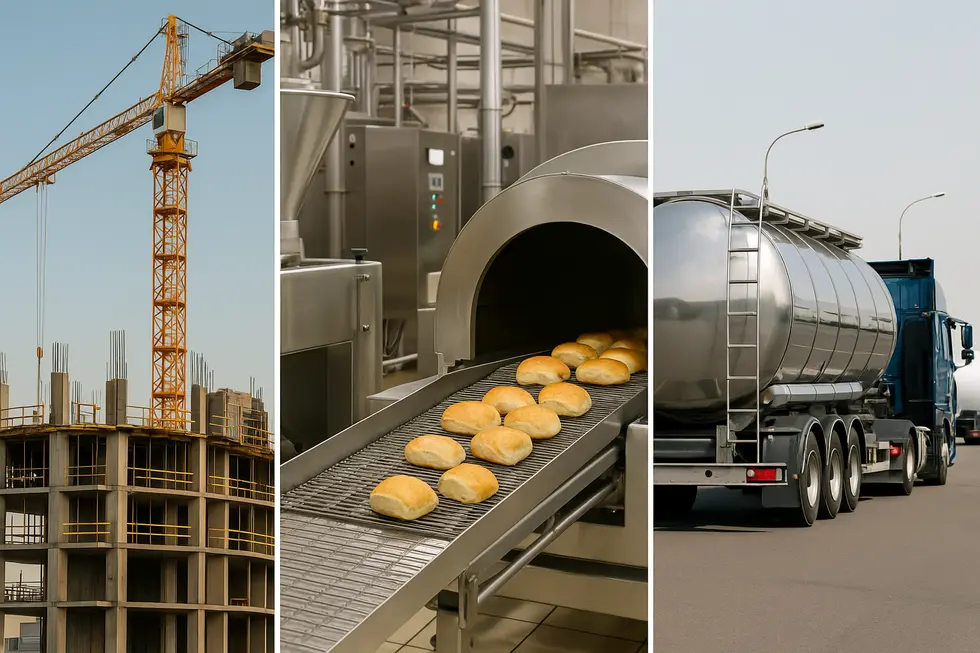
The UAE steel production sector substantively drives demand for stainless steel scrap as the nation undergoes modernization and capacity expansion. Infrastructure projects increase the need for structural steel, while the shift to Electric Arc Furnace technology highlights sustainability goals. Recent government policies like export bans further emphasize internal demand, retaining more scrap domestically. These factors collectively heighten demand for stainless scrap, reinforcing UAE’s internal supply support for its steel industry.
2. Construction Boom: Fueling Stainless Steel Scrap Demand in UAE
The burgeoning construction sector in the UAE significantly influences the demand for stainless steel scrap, driven by the need for durable materials in modern infrastructure. Stainless steel’s corrosion resistance makes it indispensable in building facades and structural components, aligning with sustainability goals through its recyclability. These trends underscore a robust market demand for scrap metal recycling, supporting the UAE’s infrastructure expansion and sustainable development ambitions across sectors.
3. Green Initiatives Shaping Stainless Steel Scrap Demand in UAE
In the UAE, sustainability initiatives are reshaping the demand for stainless steel scrap. The UAE Independent Climate Change Accelerators, collaborating with the Ministry of Economy, promote circular economies, enhancing recycled metal utilization. Complementing this, the Federal Decree Law No. 11 of 2024 mandates emissions tracking, encouraging industries to integrate recycled materials. These sustainability-driven policies collectively bolster stainless steel scrap demand, aligning with national climate objectives source.
4. Chemical and Industrial Growth as Catalysts for Stainless Steel Scrap Demand
The UAE’s strategic expansion in its industrial and chemical sectors is boosting demand for stainless steel scrap. With initiatives like Operation 300bn aiming for substantial GDP growth, significant investments are channeling into petrochemicals and advanced manufacturing. Stainless steel’s resistance to corrosion makes it indispensable for equipment in these sectors. As sustainability and supply chain localization gain importance, recycled stainless steel becomes a preferred resource. Global Supply Chain Law Blog
5. Navigating Economic and Geopolitical Currents in the Stainless Steel Scrap Market
The UAE’s stainless steel scrap sector is shaped by its economic drive for industrialization and sustainable practices. As regional infrastructure projects grow, demand surges for high-performance alloys. Simultaneously, geopolitical movements, like export restrictions on critical raw materials, affect global supply dynamics. Such actions can reposition trade flows and impact local industry pricing. These intertwined forces necessitate agile strategies among UAE scrap buyers and sellers striving to maintain operational continuity.
Final thoughts
The UAE’s stainless steel scrap market is thriving—driven by strategic players, dynamic trading platforms, and a growing commitment to environmental compliance. Understanding these elements provides valuable insights into the sustainable practices and market demands shaping this vital industry. As the UAE continues to lead and innovate in this space, opportunities for both growth and sustainability continue to expand.
At Al Zuhour Al Hamra, we are dedicated to driving innovation and sustainability throughout the recycling sector. We invite you to contact us for expert guidance on integrating cutting-edge recycling technologies and proven environmental practices into your operations.
Our services are designed to match your specific recycling needs and sustainability objectives. Whether you:
-
Need a competitive quote for your stainless steel or mixed scrap
-
Seek a personalized consultation on emerging best practices
-
Want help meeting compliance and reporting standards
We are here to support your journey toward operational excellence and environmental stewardship. Let Al Zuhour Al Hamra be your trusted partner in sustainable scrap solutions. Together, let’s lead the charge in recycling innovation, industry transparency, and CO₂ reduction.
About us
Al Zuhour Al Hamra Metal Scrap Tr. LLC is a leading recycling company based in the UAE, proudly purchasing and processing scrap materials from Abu Dhabi, Dubai, and across all Emirates and international markets.
We uphold the highest environmental standards, following best practices that include a strict zero-landfill policy and advanced material recovery systems. By implementing Global Reporting Initiative (GRI) standards in our waste reporting, we ensure clients receive verifiable data on waste diversion, material recovery, and environmental impact.
Through the responsible recycling of metal scrap, e-waste, batteries, and IT assets, we help local and international partners achieve their sustainability goals—backed by traceable and eco-conscious solutions.
