
Introduction
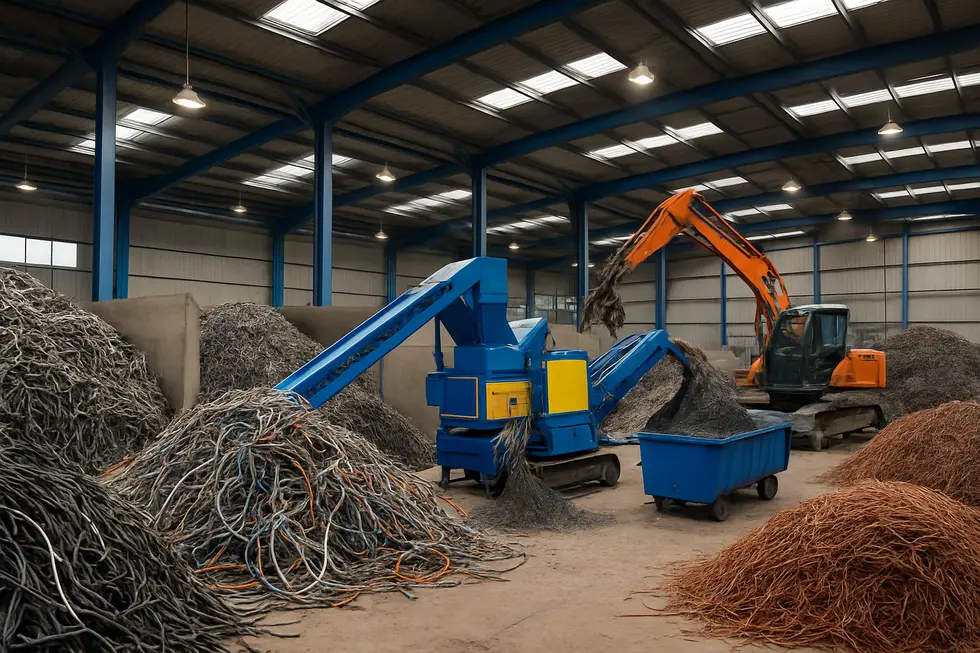
As the demand for raw materials grows, professional cable processing emerges as a crucial player in converting scrap into sustainable value. By efficiently recycling cables and insulated copper wires, companies in the UAE — including those in Sharjah, Abu Dhabi, and Dubai — contribute to the circular economy while mitigating environmental impact. This article explores the multifaceted role of cable processing, focusing on sustainable practices, technological advancements, economic benefits, geopolitical implications, and societal advantages. Each chapter delves into these dimensions, offering a comprehensive overview of how cable recycling supports global sustainability initiatives.
Chapter 1: Understanding How Professional Cable Processing Enhances Sustainability by Turning Scrap into Value
1. Innovative Technologies in Cable Processing: Driving the Sustainability Agenda
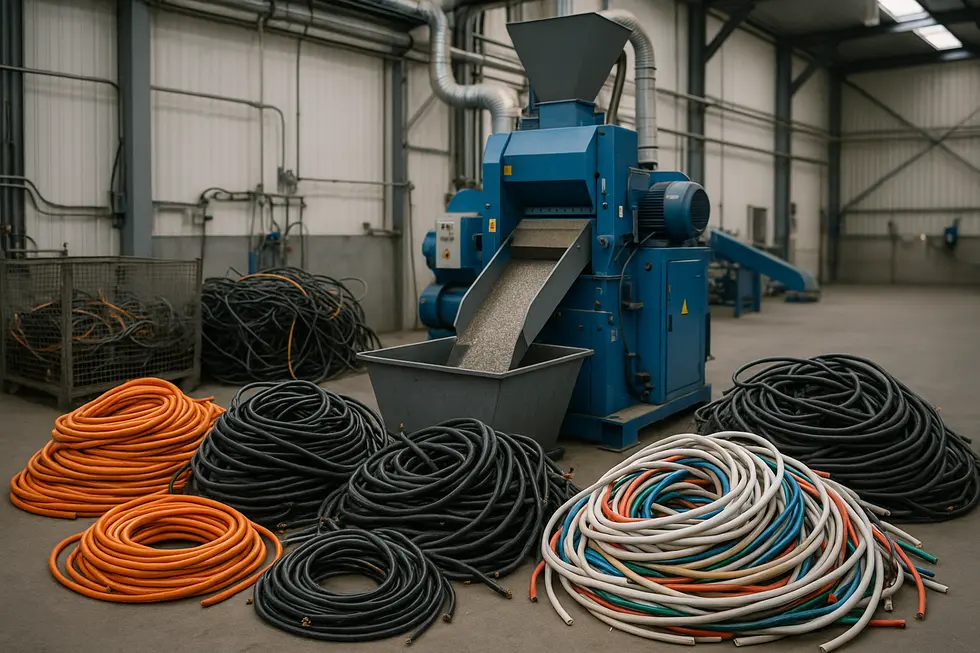
Technological innovations in cable processing are critical for sustainable transformation. Advanced machinery efficiently strips and granulates cable scrap, ensuring maximum metal recovery and purity. These innovations not only reduce environmental harm by decreasing reliance on virgin materials but also enhance the economic value of recycled metals. This process exemplifies circular economy principles by recycling scrap into fresh resources. For more on environmental benefits, explore this page.
2. The Economic Ripple of Cable Processing in Sustainability Efforts
Professional cable processing is a linchpin in sustainability, transforming scrap into economic assets. By recycling metals like copper, the industry reduces costs while meeting high market demands for such materials. This process mitigates the environmental toll of mining. The economic advantages include increased profits and resource efficiency, reinforcing cable processing’s role in the circular economy model.
3. Global Impacts: How Geopolitics Influence Cable Scrap’s Journey to Sustainability
Professional cable processing doesn’t just transform scraps into resources; it navigates complex geopolitical landscapes. Countries rich in raw materials often dictate prices and availability, influencing global recycling practices. Trade policies and environmental regulations further impact how efficiently materials can be processed and reintroduced into the market. As nations collaborate or compete for these valuable resources, sustainable practices in cable processing play a pivotal role in regional economic stability and environmental stewardship. Discover more insights.
4. Societal Benefits of Transforming Scrap in Cable Processing into Sustainable Economic Assets
Professional cable processing plays a crucial role in societal advancement by mitigating waste through methodical recycling. By recovering metals, particularly copper, from cable scrap, the process creates considerable economic value and paves the way for robust sustainability practices. This approach not only repurposes material but also contributes to natural resource conservation, promoting a cyclic economy with significant environmental gains. Explore more about these processes on AZ Scrap’s sustainability page.
5. Green Transformation: Environmental Benefits of Sustainable Cable Processing
In the pursuit of sustainability, professional cable processing is pivotal. By meticulously recycling copper and other metals from cable waste, the process diminishes the necessity for new resource extraction. This not only conserves natural resources but also reduces energy consumption and environmental degradation common in traditional mining. By reintegrating materials into the economic cycle, cable processing exemplifies a true circular economy, fostering significant environmental improvements. For more insights into our environmental efforts, visit here.
Chapter 2: Technological Innovations in Recycling: Elevating Cable Scrap to Sustainable Wealth
1. Harnessing AI Automation: Transforming Cable Processing for Sustainable Gains
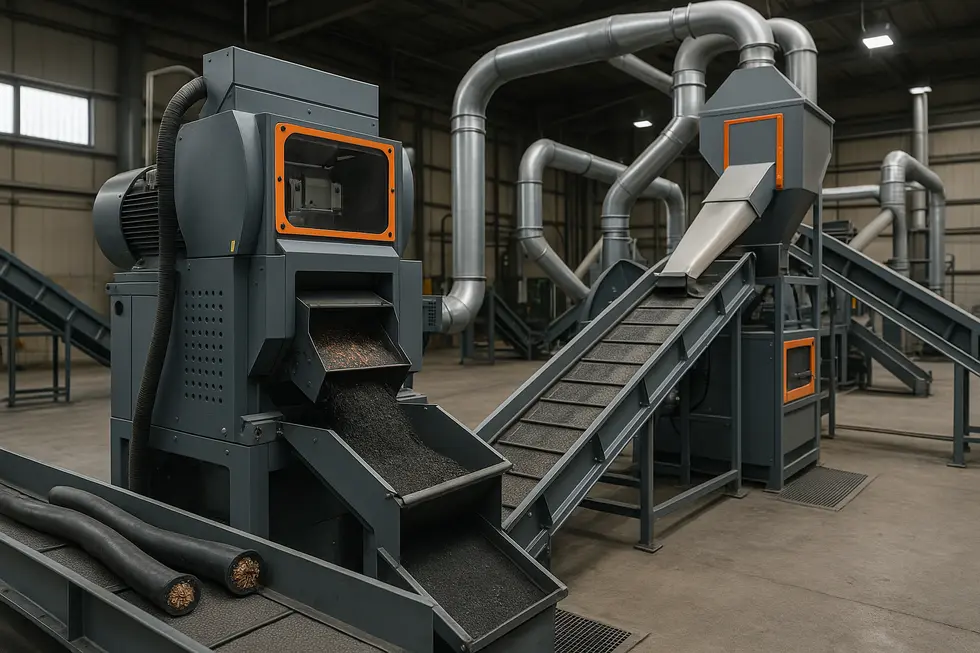
Incorporating AI-driven automation into cable processing elevates the efficiency and precision of transforming scrap into sustainable value. Through intelligent sorting and machine learning algorithms, the separation of metals from insulation reaches new levels of accuracy. This technology not only enhances material quality but also optimizes operational costs, paving the way toward a more sustainable future. By embracing these innovations, the cable processing industry significantly boosts its contribution to the circular economy.
2. Harnessing Machine Learning for Precision Cable Scrap Sorting
Machine learning elevates cable scrap processing by enhancing sorting precision, reducing environmental impact, and improving material recovery. By analyzing complex data patterns, algorithms accurately differentiate between metals, enhancing recovery efficiency and sustainability. This transformative approach not only maximizes economic gains but also aligns with circular economy principles, contributing to global sustainability efforts. For further insights on technological advancements, visit our services.
3. Harnessing Robotics for Enhanced Sustainability in Cable Recycling
In the realm of professional cable processing, robotics plays a crucial role in optimizing sustainability by ensuring precision in the segregation of materials. Automated systems efficiently strip and sort cables, enhancing the recovery rates of valuable metals like copper while minimizing human error. This technological innovation not only boosts the economic viability of recycling operations but also significantly decreases environmental impact by reducing waste and conserving natural resources.
4. Pioneering Materials Recovery in Cable Processing for Maximizing Economic and Environmental Gains
Professional cable processing methods utilize cutting-edge machinery to enhance the recovery of valuable metals like copper from scrap. This advanced technology allows for precise segregation of materials, significantly increasing the purity and economic value of recycled resources. By refining the recovery process, we not only promote sustainability but also mitigate the need for unnecessary resource extraction. For more on sustainable practices, visit AZ Scrap’s environment page.
5. Harnessing Energy Efficiency: The Role of Sustainable Energy Technologies in Cable Processing
Incorporating sustainable energy technologies into cable processing enhances efficiency and promotes eco-friendly practices. By utilizing renewable energy sources, facilities reduce their carbon footprint and operating costs. Innovations like energy-efficient separation machines maximize metal recovery by optimizing power usage. This synergy not only supports environmental objectives but also boosts economic viability, ensuring sustainable scrap reutilization. Explore more about sustainability.
Chapter 3: Economic Impacts of Professional Cable Processing in Creating Sustainable Value from Scrap
1. The Role of Innovation in Cable Processing for Economic Gains
Integrating advanced machinery in cable processing increases efficiency by meticulously separating valuable metals from waste. This results in higher purity of recycled materials, yielding economic gains through the market demand for such resources. The reduced dependency on virgin material extraction preserves natural resources and decreases energy use. For an overview of sustainable practices in this industry, visit our environment page.
2. Unlocking Financial Value: The Economic Edge of Recycling Cable Scrap
The economic benefits of professional cable processing are profound. Recycling cable scrap into valuable resources reduces the need for virgin materials, cutting costs and preserving natural resources. This process maximizes metal recovery, notably copper, providing a cost-effective alternative to new materials. Such efficiency bolsters the circular economy, transforming potential waste into profit, thus supporting sustainable development contact-us.
3. Global Economic Interplay: Cable Scrap Processing and Market Influence
Professional cable processing holds significant sway in global markets by transforming cable scrap into valuable resources. This not only strengthens local economies by creating jobs, but also impacts international trade balances. Countries gain a competitive edge by reducing reliance on raw imports, thereby stabilizing financial systems and fostering cross-border collaborations. The ripple effect enhances economic resilience, supporting both market demand and encouraging sustainable industry practices worldwide.
4. Driving Socioeconomic Progress: Cable Processing’s Influence on Workforce Dynamics and Community Growth
The professional cable processing industry not only revolutionizes sustainability but also reshapes workforce landscapes and community development. As automation and technological advances become integral, this sector demands skilled labor, fostering new career opportunities while potentially displacing traditional jobs. Communities surrounding these processing hubs benefit from these shifts, experiencing economic vitality through increased employment and technological advancements, which led to broader social benefits. This transformation underscores a pivotal socioeconomic impact of cable processing in the evolving circular economy. Learn more about this industry’s impact in our blog.
5. Harnessing Environmental and Economic Gains through Sustainable Cable Processing
By embracing sustainable cable processing practices, the industry not only mitigates environmental harm but also unleashes substantial economic potential. Advanced separation technologies recover metals like copper, lowering costs and reducing reliance on new extractions. This sustainable approach enhances resource efficiency and supports economic resilience. Explore how these practices strengthen sustainable development by reading more on environmental benefits.
Chapter 4: Geopolitical Dynamics Shaping the Cable Processing Sector’s Sustainable Transformation

1. Strategic Geopolitical Influences on Cable Processing for Sustainable Development
The cable processing industry stands at a crucial intersection of geopolitics and sustainability. Global efforts to secure critical materials such as copper have influenced national policies, fostering an environment where cable recycling becomes a strategic asset. Nations prioritize the development of advanced recycling technologies to ensure circular economies, demonstrating geopolitical strategies that bolster environmental efforts while alleviating dependency on imported raw materials. This dual focus enhances not only economic resilience but also supports global sustainability commitments.
2. Economic Impacts and Geopolitical Advantages of Cable Processing in Sustainability
In the realm of global sustainability, the cable processing industry is a crucial player. Economically, it converts cable scrap into valuable metals like copper, offering cheaper and more sustainable material sources than virgin mining. Geopolitically, this reduces dependence on imported raw materials, stabilizing resource access for countries engaged in cable recycling. Industry leaders, including international suppliers, benefit by fostering localized economic growth while supporting global sustainable initiatives.
3. Navigating Societal and Geopolitical Influences in Cable Recycling for a Sustainable Future
The cable processing industry’s mission to transform waste into sustainable value is not just technical but also shaped by societal and geopolitical forces. As cable recycling gains traction, global politics and societal demands challenge its efficiency. Nations prioritize resource independence and sustainable practices, urging industries worldwide to adopt greener policies. Support from global agreements and societal advocacy further accelerates the alignment of cable processing with sustainability goals. For more on sustainability efforts, see environmental initiatives.
4. Innovative Technologies and Geopolitical Dynamics: Shaping Cable Scrap Sustainability
Advancements in cable processing technology are integral to maximizing resource recovery and sustainability. These innovations ensure efficient separation and recycling processes, aligning with global efforts toward reducing environmental footprints. Simultaneously, geopolitical trends influence material access and economic feasibility, affecting how regions adopt recycling technologies. As countries vie for technological leadership, collaboration becomes crucial. Embracing these advancements aids in maintaining competitive edges and fostering international sustainability partnerships, thereby transforming scrap into ongoing economic value.
5. Navigating Statutory Regulations and Geopolitical Influences in Cable Processing
Understanding the geopolitical and statutory landscape is crucial for the cable processing industry in converting scrap into sustainable value. National regulations not only impact operational capabilities but also dictate how companies engage in global markets. By aligning with international standards and practices, industries can effectively manage cross-border challenges. For more insights, explore our services where we highlight the importance of compliance in sustainable practices: AZScrap Services.
Chapter 5: Societal Benefits of Professional Cable Processing in Converting Scrap into Sustainable Value

1. Harnessing Technology in Cable Processing: Catalysts for Sustainable Transformation
The role of technological advancements in cable processing is paramount in transforming scrap into sustainable value. From automated sorting systems to high-efficiency granulators, the technology used to separate metals from insulation not only increases the recovery rates but substantially improves the purity of recycled materials. These innovations reduce reliance on virgin resources, decreasing environmental impact while promoting a circular economy ethos. For more insights into environmentally responsible practices, visit AZ Scrap’s environmental page.
2. The Economic Ripple: Cable Scrap Conversion and Societal Gains
Professional cable processing significantly bolsters economic growth by transforming waste into economically viable resources. By reclaiming metals like copper, processing facilities reduce dependency on virgin resources, leading to savings in extraction-related costs. This sustainable practice fosters job creation in recycling sectors and reduces environmental costs, as lesser energy is needed compared to new metal production. Such efforts align with the circular economy model by promoting an efficient, resource-saving market.
3. The Global Ripple Effect of Sustainable Cable Processing Practices
The geopolitical implications of sustainable cable processing extend beyond mere economic metrics. Nations actively engaging in cable recycling reduce dependency on volatile metal markets, fostering economic independence. This shift not only promotes environmental stewardship but also enhances international trade relationships, as nations turn scrap into valuable export commodities. Furthermore, sustainable practices support adherence to global environmental agreements, reinforcing a collective commitment to reducing industrial carbon footprints. This strategy propels sustainable development while reshaping global resource dynamics. Learn more about sustainable practices.
4. The Role of Cable Processing in Promoting Environmental Sustainability
Through professional cable processing, the meticulous recovery of valuable metals like copper significantly aids environmental sustainability. This process ensures that cable waste is transformed into reusable materials, reducing the need for virgin metal extraction and preserving natural resources. Such sustainable practices not only minimize ecological harm but also bolster the circular economy by continually reintegrating materials, supporting global sustainability efforts. For more information on these environmental initiatives, check out AZ Scrap’s environment page.
5. Emerging Innovations in Cable Recycling and Their Societal Impact
Recent advances in cable recycling technologies are pivotal in optimizing resource recovery and sustainability. Innovative machinery ensures efficient separation of metals like copper, maximizing economic returns. These improvements not only reduce the reliance on virgin materials but also diminish energy consumption and greenhouse gas emissions, significantly aiding in environmental preservation. Such technological strides are fundamental in fortifying a circular economy, effectively transforming cable waste into lucrative, reusable resources.
Final thoughts
Professional cable processing not only enhances sustainability but also serves as a cornerstone of economic and societal development. By turning cable scrap into a valuable resource, the industry supports environmental goals, fosters economic growth, and strengthens global cooperation. Companies and industries that invest in advanced cable recycling technologies can significantly contribute to reducing the environmental footprint and driving progress towards a greener future.
At Al Zuhour Al Hamra, we are committed to driving innovation and sustainability across the recycling industry. We invite you to contact us for expert advice on integrating the latest recycling technologies and best practices into your operations. Our team offers resources and consultations tailored to your specific recycling needs and sustainability goals. Get a quote for your scrap recycling requirements or request a detailed consultation on emerging industry practices that can enhance your recycling outcomes. As we work towards a more sustainable future, let Al Zuhour Al Hamra be your trusted partner in achieving excellence in recycling and environmental responsibility. For further exploration, check out related articles and insights on the groundbreaking developments reshaping our industry here. Together, let’s lead the way in recycling innovation, sustainability, and CO₂ reduction.
About us
Al Zuhour Al Hamra Metal Scrap Tr. LLC is a leading recycling company based in the UAE, proudly buying and processing scrap materials from Abu Dhabi, Dubai, and across the UAE and international markets. Our cable processing facilities in both the UAE and Thailand utilize advanced European technology to handle a wide range of insulated cables, including control cables, household wires, insulated aluminium cables, jelly telephone cables, marine cables, mixed ICW, power cables, and telephone cables. With a processing capacity exceeding 20,000 metric tonnes of wires and cables annually, we are committed to the highest environmental standards, implementing best environmental practices, a strict zero-landfill policy, and advanced recovery systems to ensure maximum material reuse. Al Zuhour integrates Global Reporting Initiative (GRI) standards into its waste reporting process, providing clients with transparent, verifiable data on waste diversion, material recovery, and carbon impact. Through responsible recycling of metal scrap, e-waste, batteries, and IT assets, we support both local and international partners in achieving their sustainability goals with traceable, eco-conscious solutions.
