
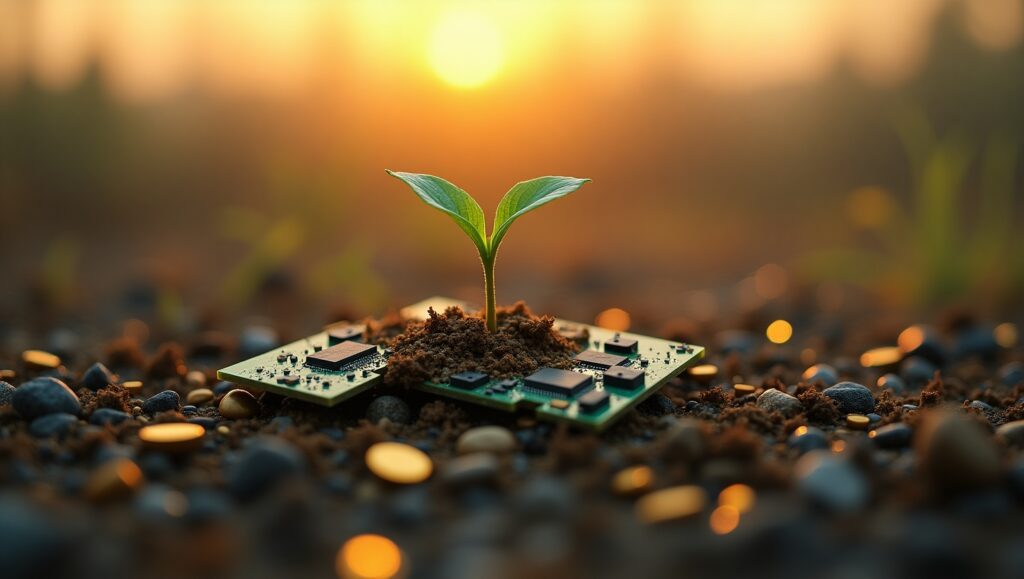
The Future of E-Waste Recycling: Revolutionizing Gold Extraction and Sustainable Mining
Table of Contents
ToggleIntroduction
The issue of electronic waste, or e-waste, is growing at an alarming rate, raising significant environmental concerns. In 2022 alone, it is estimated that 62 million tonnes of e-waste were generated globally. This waste stream often contains valuable materials, including precious metals like gold, which if not properly recycled, can result in both environmental harm and lost economic opportunity. E-waste recycling emerges as a vital solution to this problem, presenting an opportunity to recover valuable metals while promoting sustainable practices.
A critical element in this paradigm is gold extraction from e-waste. Traditional mining methods, often involving toxic substances, are not only environmentally damaging but also inefficient. With the rising demand for eco-friendly technology, there is an increasing emphasis on developing sustainable mining practices, particularly in the realm of e-waste recycling. This blog will delve into the potential of these eco-friendly technologies to revolutionize the industry.
Background
E-waste encompasses discarded electronic devices—from smartphones to old computers—that contain materials which, if incorrectly disposed of, pose ecological risks. Despite its hazardous potential, only 22.3% of e-waste was formally collected and recycled in recent years, leaving a substantial portion to languish in landfills or undergo informal recycling, which often occurs in dangerous conditions.
Traditionally, gold extraction from ores has involved processes that utilize mercury and cyanide, leading to severe environmental contamination. Notably, artisanal and small-scale gold mining is responsible for a staggering 37% of global mercury pollution, according to recent studies. This sector’s reliance on environmentally harmful practices highlights the urgency for reform in gold extraction methods.
Trend
Recent advancements, notably at institutions like Flinders University, are paving the way for cleaner, more sustainable approaches to gold extraction. By employing a method that utilizes light and salt rather than toxic chemicals, researchers are making strides toward reducing the ecological footprint of gold recovery. The method, championed by scientists such as Justin Chalker and Dr. Max Mann, employs a reusable polymer, showcasing a promising advancement in eco-friendly technology.
This trend towards sustainable mining practices is gaining traction across various sectors. Innovations in e-waste recycling are not only helping reclaim valuable materials but also reducing the dependency on destructive mining practices. Interdisciplinary collaborations in research are at the forefront of these innovations, evidencing that partnerships between chemists, engineers, and environmental scientists can yield robust environmental solutions.
Insight
Adopting environmentally friendly methods of gold extraction from e-waste offers myriad benefits. These methods significantly mitigate the environmental impact traditionally associated with both e-waste and gold mining. For instance, by reducing mercury pollution and minimizing toxic runoff, eco-friendly techniques foster healthier ecosystems and communities.
The symbiotic relationship between e-waste recycling and sustainable mining presents a powerful argument for investment in eco-friendly technology. By turning what is often viewed as waste into a resource, we can enhance the recycling rates and curb environmental degradation. This represents a shift not just in practice but in mindset—a recognition that responsible recycling is a crucial component of sustainable development.
Forecast
Looking ahead, the future of e-waste recycling and gold extraction is promising. As technology continues to advance, the methods used will likely become more efficient and scalable, leading to wider industry adoption. This can result in significant positive impacts on the environment, economy, and society at large. If sustainable practices are broadly adopted, they could drive down the demand for traditional mining, thereby substantially reducing associated environmental damage.
Moreover, potential regulatory changes may encourage the adoption of eco-friendly technologies, with governments and international bodies increasingly likely to set stringent standards for e-waste management and resource recovery. This could further accelerate the paradigm shift towards sustainable practices within the industry.
Call to Action
We all have a part to play in addressing the e-waste crisis. By supporting companies and initiatives that prioritize eco-friendly technology, individuals can contribute to creating a more sustainable future. Participation in local e-waste recycling programs is a simple yet effective way to make a difference. Furthermore, staying informed about and advocating for sustainable mining practices amplifies our collective impact.
To explore local e-waste recycling programs and discover more about sustainable mining practices, or to take part in expanding this eco-friendly movement, interested individuals can start by visiting resources provided by Al Zuhour Al Hamra’s educational platform. Together, we can drive the shift toward a more sustainable and environmentally friendly future.
Citations:
– Flinders University scientists developed a new eco-friendly method for gold extraction: Science Daily Article.
– Only 22.3% of e-waste was formally collected and recycled (statistical data on e-waste recycling).
By engaging in these efforts, you’re not just saving the environment; you’re investing in a sustainable future for generations to come. Let’s turn today’s waste into tomorrow’s resource.
