
Introduction
The zinc scrap market is a crucial segment of the global metal recycling industry, driven by an intricate network of buyers and sellers across diverse geographical regions. As demand for zinc scrap fluctuates, largely influenced by economic conditions and technological advancements, stakeholders must navigate regulatory requirements and employ strategic trading practices. This guide delves into the essential dynamics shaping the zinc scrap trade, examining global market networks, economic drivers, regulatory landscapes, technological innovations, and market strategies essential for successful transactions.
Tables of Contents
Chapter 1: Global Dynamics in Scrap Metal Trading: Zinc as a Case Study
- Navigating the Complexities of Zinc Scrap Supply Limitations
- Navigating Regional Price Benchmarks and Their Impact on Zinc Scrap Trade
- Leveraging Price Gaps: Strategic Arbitrage in Zinc Scrap Trade
- Innovative Convergences: How Industry Events Shape Zinc Scrap Commerce Worldwide
- Essential Role of Trade Facilitators in the Zinc Scrap Market
Chapter 2: Economic Factors Reshaping the Zinc Scrap Trade Landscape
- Navigating Trade Policies: The Tariff Tides and Their Ripple Effects on Zinc Scrap Market Prices
- Complex Interdependence of Supply Conditions in the Zinc Scrap Market
- Influence of Sectoral Demand Shifts on Zinc Scrap Market Trends
- How Inventory Fluctuations Shape Zinc Scrap Price Dynamics
- Impacts of Mounting Costs on Zinc Smelting Economics
Chapter 3: Understanding Regulatory Complexities in Zinc Scrap Transactions
- Navigating Global Regulations in Zinc Scrap Transactions
- Unifying Global Standards and Enhancing Traceability for Zinc Scrap
- Crafting Compliance: The Role of Producer Responsibility in Zinc Scrap Markets
- Navigating Enforcement Complexities in Zinc Scrap Trading Regulations
- Harnessing Cutting-Edge Tech for Zinc Scrap Regulatory Adherence
Chapter 4: Cutting-Edge Dry Smelting Techniques in Zinc Scrap Recycling
- Pioneering Dry Smelting for Efficient Zinc Scrap Recovery
- Harnessing Energy Efficiency in Zinc Scrap Recycling Innovations
- Breakthrough Sorting and AI-Assisted Processing in Zinc Recycling
- Harnessing Technology for a Sustainable Zinc Scrap Economy
- Eco-Friendly Innovations and Their Impact on Zinc Recycling
Chapter 5: Optimizing Trade Practices in the Zinc Scrap Industry
- Navigating Regional Market Nuances for Strategic Gains in Zinc Scrap Trade
- Leveraging Quality: A Competitive Edge in Zinc Scrap Trade
- Crafting Optimal Timing Strategies for Zinc Scrap Trade Contracts
- The Art of Real-Time Pricing: Navigating Zinc Scrap Market Fluctuations
- Navigating Complex Supply Chains with Adaptive Logistics and Market Agility
Chapter 1: Global Dynamics in Scrap Metal Trading: Zinc as a Case Study
1. Navigating the Complexities of Zinc Scrap Supply Limitations
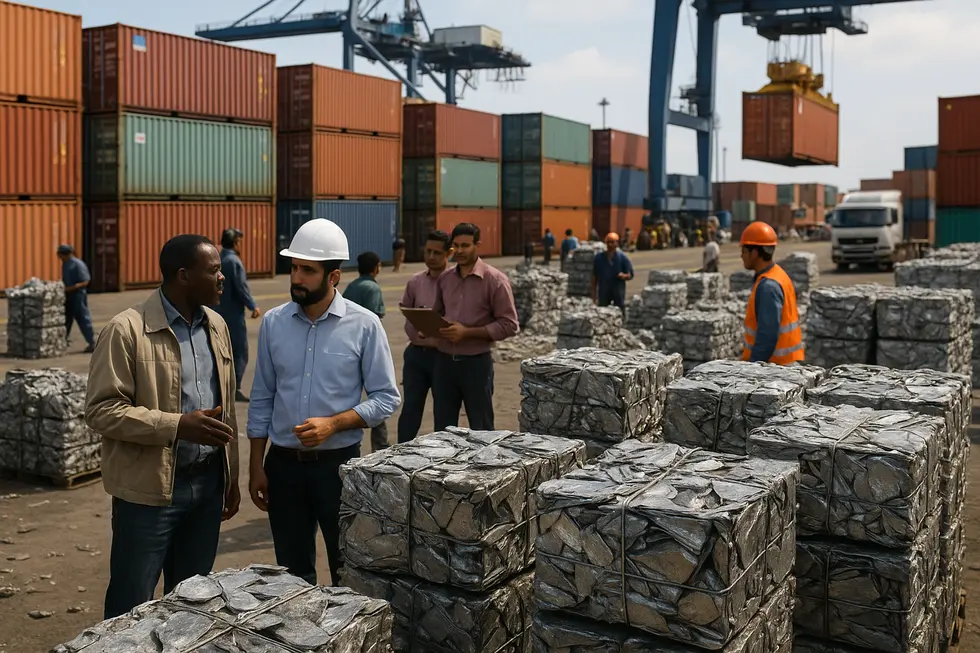
The dynamics within the global zinc scrap market are increasingly dictated by supply constraints that originate both domestically and internationally. Companies like J.G. Chemicals Limited have adapted to these constraints by establishing global networks to compensate for inadequate local scrap collection. This situation underscores the importance of robust recycling processes, as declining ore grades increase costs. Recycled zinc from sources such as galvanized scrap already represents 25% of globally refined metal, yet scaling efforts must continue. Bottlenecks at Chinese smelters further illustrate supply tightness, as import-export trends reveal capacity stresses. Environmental factors, such as heavy rainfall in Tianjin, complicate logistics, exacerbating storage and shipment issues. Additionally, seasonal demand fluctuations in construction, predominantly in China, lead to inventory challenges, reinforcing the need for strategic supplier diversification and risk management to maintain market stability. Understanding such complexities is crucial for both buyers and sellers navigating this intricate landscape.
2. Navigating Regional Price Benchmarks and Their Impact on Zinc Scrap Trade
Regional Price Benchmarks are pivotal in shaping the zinc scrap trade across global networks, creating intricate layers of pricing dynamics that savvy traders must navigate. North America’s zinc scrap prices, for example, reflect specific regional trends such as variations in the New Zinc Die Cast category. Meanwhile, European benchmarks and China’s SMM premiums further alter the landscape, making real-time market analysis vital. The interplay between these metrics allows stakeholders to leverage arbitrage opportunities, optimally placing trades in a fluctuating market landscape. Keeping abreast of these benchmarks enables smarter, more strategic purchasing and selling decisions, ensuring competitiveness and profitability in this volatile market. For comprehensive insights into China’s role, consult the SMM Metal Spot Prices Guide 2025.
3. Leveraging Price Gaps: Strategic Arbitrage in Zinc Scrap Trade
Within the global zinc scrap market, arbitrage opportunities are forged in the crucible of price differentials, logistical intricacies, and quality nuances. Buyers and sellers, adept at exploiting these gaps, fashion strategies that capitalize on regional disparities, such as the notable pricing spread between Tianjin and Shanghai. The allure of premium zinc ingots and the complexities of tariff-induced volatility feed into these networks, which traders meticulously navigate, their eyes set on margins transcending logistical costs. Understanding major exchange benchmarks, such as LME, and tailoring supply to demand dynamics propels the insightful actor towards profitable ventures. For a comprehensive understanding, one might refer to Tianjin Zinc Market Dynamics.
4. Innovative Convergences: How Industry Events Shape Zinc Scrap Commerce Worldwide
Industry events significantly mold the interactions among zinc scrap buyers and sellers globally. The 2025 SMM Zinc Industry Conference exemplifies how these gatherings tackle obstacles like carbon thresholds and supply chain impediments. They foster exploration of technological advances, ensuring sustainable zinc recycling, and facilitate policy discussion on environmental regulations, ultimately enhancing trade fluidity. Such events create vital networks and strategies for resilient supply chains in zinc’s circular economy. Events like India’s Bharat Recycling Show further promote global connections, advancing secondary materials access. Discover more at SMM Zinc Industry Conference.
5. Essential Role of Trade Facilitators in the Zinc Scrap Market
Trade facilitators bridge buyers and sellers in the zinc scrap market, orchestrating efficient globalization of materials. They mitigate risks, ensure regulatory compliance, and enhance supply chain transparency. By managing the logistics, they reduce transactional barriers, stabilizing prices and aligning market dynamics with broader economic policies. This balance aids countries in optimizing trade relationships, ensuring a steady zinc resource flow crucial for industrial applications. Their expertise ensures ethical sourcing and responsible material circulation, vital for the recycling ecosystem. For further insight into ethical sourcing, explore critical raw materials.
Chapter 2: Economic Factors Reshaping the Zinc Scrap Trade Landscape
1. Navigating Trade Policies: The Tariff Tides and Their Ripple Effects on Zinc Scrap Market Prices
The dance between trade policies and tariffs profoundly shapes the zinc scrap market. Tariffs serve as invisible hands that increase import costs, nudging buyers towards domestic sources. For sellers, this can mean less competition, though retaliatory tariffs may shrink export avenues. Such policies inject unpredictability, often causing volatility that reverberates across the market. For more insights into changes impacting the scrap metal market, visit Scrap Monster Price Report.
2. Complex Interdependence of Supply Conditions in the Zinc Scrap Market
In the zinc scrap market, supply-side conditions intricately affect pricing and trade dynamics. Elevated inventory levels, like those in Tianjin, depress prices by increasing metal availability at a time of tepid demand. Weather disturbances further exacerbate supply imbalances, disrupting operations and reducing zinc consumption. Strategic shifts in purchasing strategies and regional pricing differences add complexity, collectively making the market highly sensitive to various supply-related variables (source).
3. Influence of Sectoral Demand Shifts on Zinc Scrap Market Trends
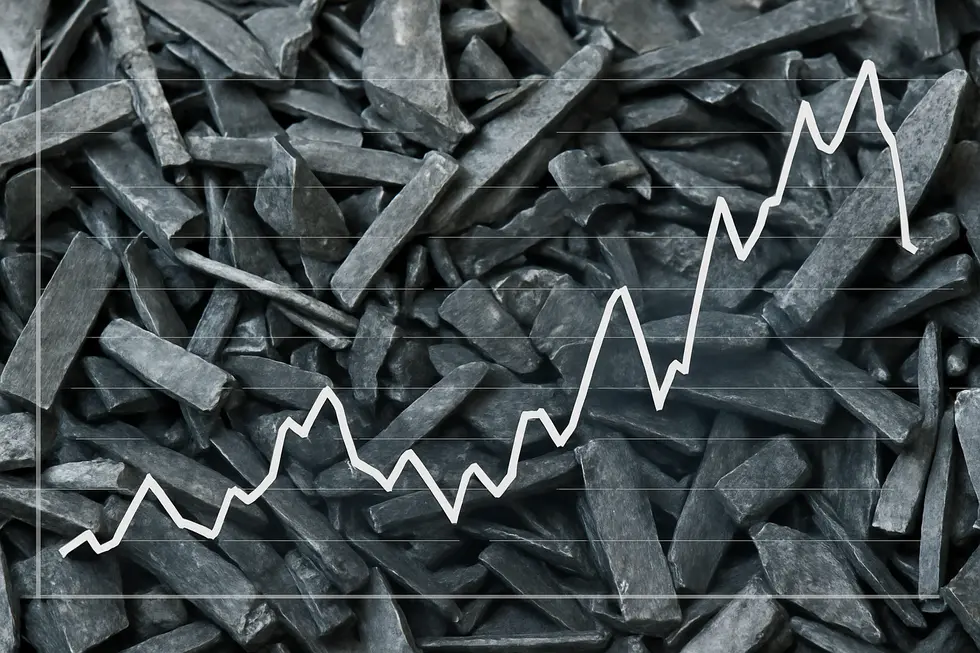
The zinc scrap market faces turbulence as industrial demand softens, impacted chiefly by the construction and manufacturing sectors’ deceleration. A global downturn in construction, decreasing 7.3%, coupled with a 4.7% dip in manufacturing output, has led to suppressed demand for zinc, specifically in galvanized steel. Seasonal procurement practices further retract buying activities. Amidst this, smelters have tempered their production slightly, maintaining a balance that stabilizes prices despite the demand decline. The Shanghai Metal Exchange reflects this downturn with diminishing spot premiums, pointing towards potential zinc scrap price pressure.
4. How Inventory Fluctuations Shape Zinc Scrap Price Dynamics
Inventory levels serve as a pivotal factor in zinc scrap pricing, where a supply glut can lead to premium reductions. For instance, increased stocks in regions like Tianjin shift market behavior, pushing buyers toward just-in-time purchasing, thus amplifying pricing variability. Localized inventories create regional disparities, with transport costs impacting costs when buying from regions with surplus stocks. Altogether, this affects market sentiment, modulating price fluctuations alongside factors like production adjustments and weather impacts.
5. Impacts of Mounting Costs on Zinc Smelting Economics
The zinc scrap market in 2025 sees numerous challenges due to rising smelter costs. Treatment Charges (TCs) have increased significantly, reaching $245-280 per ton, driving up production expenses and influencing scrap pricing. While global zinc demand grows modestly, mine output surges, causing an oversupply. However, smelters face persistent high costs and trade barriers, resisting downward adjustments in scrap pricing. Navigating these pressures requires strategic monitoring of treatment charges and regional market factors. For up-to-date market trends, visit AZ Scrap News.
Chapter 3: Understanding Regulatory Complexities in Zinc Scrap Transactions

1. Navigating Global Regulations in Zinc Scrap Transactions
The legal frameworks governing zinc scrap transactions are pivotal in promoting sustainable recycling and management of non-ferrous metals. India’s Extended Producer Responsibility (EPR) underlines industries’ commitment to traceability and environmental responsibility in handling zinc scrap. In contrast, the European Union focuses on transparency and due diligence, requiring stringent adherence to sustainable sourcing and meticulous supply chain reporting. These regulations collectively foster a global market where compliance not only ensures legal adherence but also enhances environmental stewardship, aligning with broader sustainability targets. For a deeper exploration, the European Parliament Study offers comprehensive insights on EU sustainability directives.
2. Unifying Global Standards and Enhancing Traceability for Zinc Scrap
The realm of zinc scrap transactions relies heavily on adhering to stringent global regulatory standards for both environmental protection and trade efficiency. As environmental regulations tighten, zinc scrap must align with emerging environmental laws similar to those in textiles. Enhanced traceability systems, inspired by the EU’s digital reporting for critical raw materials, offer a blueprint to ensure compliance and sustainability, essential for fostering trust in this pivotal industry.
3. Crafting Compliance: The Role of Producer Responsibility in Zinc Scrap Markets
The advent of Extended Producer Responsibility (EPR) for non-ferrous metals in 2025 has transformed compliance landscapes in the zinc scrap market. Producers are now pivotal, ensuring systematic collection and recycling of zinc scrap across the lifecycle of their products. Mandatory EPR certification and registration with authorities like the Central Pollution Control Board compel adherence to recycling targets, promoting partnerships between recyclers and producers. Additionally, stringent record-keeping practices enhance market transparency and safeguard against non-compliance. Penalties for violation encourage a responsible approach, fostering sustainable practices at Corpseed – New EPR Rules.
4. Navigating Enforcement Complexities in Zinc Scrap Trading Regulations
In the realm of zinc scrap transactions, adhering to stringent regulatory frameworks is pivotal. Under India’s Extended Producer Responsibility, compliance with recycling mandates is enforced through the Central Pollution Control Board (CPCB). Penalties for non-compliance include hefty fines and legal action. Although these measures aim to foster accountability, the process is mired in administrative complexity. Small businesses often struggle with ambiguous penalty calculations and the bureaucratic load, a notable challenge in achieving full compliance.
5. Harnessing Cutting-Edge Tech for Zinc Scrap Regulatory Adherence
As the zinc scrap industry evolves, integrating technological advancements is crucial for regulatory compliance. AI-based analytics optimize extraction processes, minimizing waste and improving safety. Blockchain technology enhances supply chain transparency, ensuring product authenticity and boosting market trust. Furthermore, implementing dry smelting facilities and recycling systems not only improves material recovery but also reduces environmental impacts, aligning with circular economy goals and stringent regulations. As these innovations unfold, the industry sets a sustainable path forward. Learn more about related advancements here.
Chapter 4: Cutting-Edge Dry Smelting Techniques in Zinc Scrap Recycling
1. Pioneering Dry Smelting for Efficient Zinc Scrap Recovery
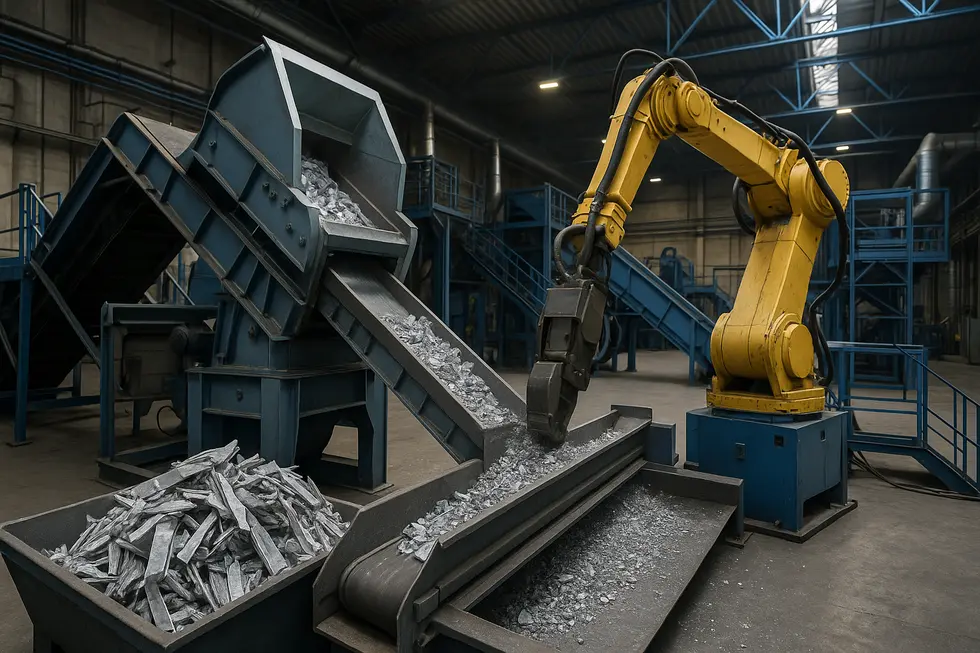
In the dynamic landscape of zinc scrap recycling, dry smelting emerges as a groundbreaking technique, leveraging advanced processing technologies to enhance environmental and economic outcomes. Korea Zinc leads the charge with its innovative facility processing over 100,000 tons of scrap annually, including pretreatment of e-waste Read more. This facility is exemplary, aligning with global shifts towards low-carbon, sustainable production paradigms and circular economy goals. By reducing energy and emissions, dry smelting technologies are redefining efficient zinc recovery from complex scrap, fostering a future of smart recycling solutions.
2. Harnessing Energy Efficiency in Zinc Scrap Recycling Innovations
Energy efficiency stands at the forefront of advancements in zinc scrap recycling, transforming both methods and applications. By converting recycled zinc into zinc oxide (ZnO), manufacturers improve the durability and recyclability of materials without increasing weight, leading to energy savings over a product’s lifecycle. Zinc-air battery technology further exemplifies these advancements, where recycled zinc supports sustainable long-duration energy storage, combining resource efficiency with eco-friendly power solutions. Such technologies exemplify progress made possible through enhanced recycling infrastructure, ultimately driving the industry toward a more sustainable future.
3. Breakthrough Sorting and AI-Assisted Processing in Zinc Recycling
In the ever-evolving landscape of zinc scrap recycling, breakthrough technologies have become pivotal in transforming how these valuable materials are sorted and processed. Sensor-based sorting methods, such as X-ray Transmission (XRT), have significantly enhanced the precision of separating zinc from other metals by detecting atomic density variations. Similarly, Dynamic Laser-Induced Breakdown Spectroscopy (Dynamic LIBS) offers an accurate analysis of elemental compositions, essential for ensuring high-purity zinc recycling. Furthermore, the integration of Artificial Intelligence (AI) and deep learning into sorting processes has streamlined operations, minimizing human error and optimizing the identification of zinc alloys. This high-tech intervention not only improves efficiency but also supports environmental sustainability by reducing energy consumption and emissions associated with traditional melting processes. For further insights into these technological advancements in metal recycling, refer to this detailed overview of innovative recycling practices.
4. Harnessing Technology for a Sustainable Zinc Scrap Economy
The integration of cutting-edge technology into zinc scrap recycling is vital for advancing a circular economy. Companies like Korea Zinc utilize innovative dry smelting techniques to efficiently process substantial quantities of electronic waste, converting them into high-quality recycled metals. By adopting closed-loop systems, such as recycling solar panels together with Hanwha Qcells, these initiatives reduce reliance on new resources while enhancing manufacturing efficiency. Direct metal recovery from industrial wastewater exemplifies advanced strategies that diminish landfill reliance, illustrating technology’s role in sustainable resource management. Learn more here.
5. Eco-Friendly Innovations and Their Impact on Zinc Recycling
In the ever-evolving field of zinc scrap recycling, technological advancements are instrumental in furthering eco-friendly practices. Automation and AI-led systems enhance efficiency and reduce emissions, while water recycling systems significantly lessen the dependency on freshwater, thereby safeguarding ecosystems. Meanwhile, renewable energy integration slashes carbon emissions. However, challenges in recycling zinc oxide due to its energy-intensive processes remain, accentuating the need for green chemistry and innovative solutions (source).
Chapter 5: Optimizing Trade Practices in the Zinc Scrap Industry

1. Navigating Regional Market Nuances for Strategic Gains in Zinc Scrap Trade
In the dynamic landscape of zinc scrap trading, regional market awareness becomes a linchpin for optimizing trade strategies. Various geographic markets, influenced by local weather, manufacturing activity, and inventory trends, display significant price variances. For instance, the Tianjin Zinc Market Dynamics highlights how weather affects transactions there, demonstrating the need for strategic market awareness. Exploiting arbitrage opportunities by capitalizing on cross-regional price differentials can offset logistical costs, thereby enhancing profitability. This approach requires careful monitoring of inventory levels and market prices across regions, serving as a critical element in maximizing gains.
2. Leveraging Quality: A Competitive Edge in Zinc Scrap Trade
In the zinc scrap sector, adopting quality-focused methods is crucial for traders aiming to enhance market competitiveness and profit margins. Zinc scrap purity directly affects its market value; high-purity scrap minimizes refining costs and ensures excellent recycled product quality. Additionally, different grades, ranging from pure zinc to mixed alloys, require specific treatment, impacting pricing.
Advanced recycling technologies play a pivotal role, relying heavily on input quality. Processes such as thermal metallurgy thrive on uncontaminated scrap, hence the emphasis on maintaining high standards becomes apparent. Pricing strategies further underscore quality’s importance, with regional disparities evident. For instance, Tianjin’s market dynamics provide insights into how cautious purchasing behaviors influence pricing based on material quality.
Both buyers and sellers can benefit by investing in technological innovations and informed decision-making centered on quality. This strategic approach not only optimizes financial outcomes but also aligns with broader sustainability goals within the global zinc industry landscape. For further insights, explore sustainable technologies in recycling.
3. Crafting Optimal Timing Strategies for Zinc Scrap Trade Contracts
In the zinc scrap market, precision in timing contracts can significantly mitigate risks associated with price volatility. Buyers and sellers adeptly align contract execution with futures market activities, capitalizing on the systematic rhythm of futures rollovers on exchanges like the Shanghai Futures Exchange. By doing so, they lock in favorable prices before the market experiences anticipated shifts. Furthermore, utilizing forecasting models allows stakeholders to proactively adjust contract terms, whether opting for long-term commitments when market premiums dip or exploiting regional price differentials with astute shipment timing. These strategies intertwine market analytics with logistical precision, providing a competitive edge within a complex supply chain landscape.
4. The Art of Real-Time Pricing: Navigating Zinc Scrap Market Fluctuations
Navigating the zinc scrap market necessitates meticulous real-time price monitoring due to ever-changing global dynamics. Spot prices, essential for assessing true market conditions, are diligently tracked by platforms like Shanghai Metals Market and Argus, ensuring transparency and accuracy for stakeholders. Such real-time insights empower both buyers and sellers to swiftly adapt trading strategies, optimize profitability, and mitigate risks. The intricate dance between supply disruptions, demand fluctuations, and regulatory shifts underscores the need for agile decision-making in this vibrant market landscape. Explore more strategic insights here.
5. Navigating Complex Supply Chains with Adaptive Logistics and Market Agility
Logistics and flexibility are the heartbeat of effective market strategies in the zinc scrap industry. With intricate regional variants and supply challenges, adaptive logistics planning is pivotal. Buyers and sellers need alternative transport pathways to counter weather disruptions and transportation delays. Equally vital is quality-based purchasing, as it reduces downstream variability and contamination risks. Strategic positioning through regional market arbitrage exploits price fluctuations, allowing traders to capitalize on localized advantages. In addition, flexible contract structuring—with an eye on future pricing—further mitigates the unpredictability inherent in zinc scrap trading. As a result, successful navigators of this market deftly balance logistics and adaptable strategies, enabling profitable engagements even amid volatility. For a broader understanding of how logistics influence these processes, explore the Tianjin Zinc Futures Market Analysis – Discovery Alert.
Final thoughts
The zinc scrap market is a dynamic and integral part of the broader recycling industry, requiring keen understanding and strategic engagement from stakeholders. By comprehending global market networks, economic factors, regulatory compliance, technological advancements, and effective market strategies, participants can successfully navigate and thrive in this evolving landscape. This guide offers foundational insights to enhance awareness and foster more sustainable practices within the zinc scrap trade.
At Al Zuhour Al Hamra, we are committed to driving innovation and sustainability across the recycling industry. We invite you to contact us for expert advice on integrating the latest recycling technologies and best practices into your operations. Our team offers resources and consultations tailored to your specific recycling needs and sustainability goals. Get a quote for your scrap recycling requirements or request a detailed consultation on emerging industry practices that can enhance your recycling outcomes. As we work towards a more sustainable future, let Al Zuhour Al Hamra be your trusted partner in achieving excellence in recycling and environmental responsibility. For further exploration, check out related articles and insights on the groundbreaking developments reshaping our industry here. Together, let’s lead the way in recycling innovation, sustainability, and CO₂ reduction.
About us
Al Zuhour Al Hamra Metal Scrap Tr. LLC is a leading recycling company based in the UAE, proudly buying and processing scrap materials from Abu Dhabi, Dubai, and across the UAE and international markets. We are committed to the highest environmental standards, implementing best practices, a strict zero-landfill policy, and advanced recovery systems to ensure maximum material reuse. Al Zuhour integrates Global Reporting Initiative (GRI) standards into its waste reporting process, providing clients with transparent, verifiable data on waste diversion, material recovery, and carbon impact. Through responsible recycling of metal scrap, e-waste, batteries, and IT assets, we help local and international partners achieve their sustainability goals with traceable, eco-conscious solutions. Specializing in zinc, which features a hexagonal crystal structure and a density lower than that of iron, Al Zuhour processes over 4,000 metric tonnes of zinc annually. Zinc’s primary role is in providing corrosion protection for iron and steel, but it is also highly valued for its ability to form a range of durable alloys thanks to its excellent corrosion resistance and mechanical properties. For inquiries about buying or selling zinc scrap, please contact us directly for responsive, professional service.
