
Introduction
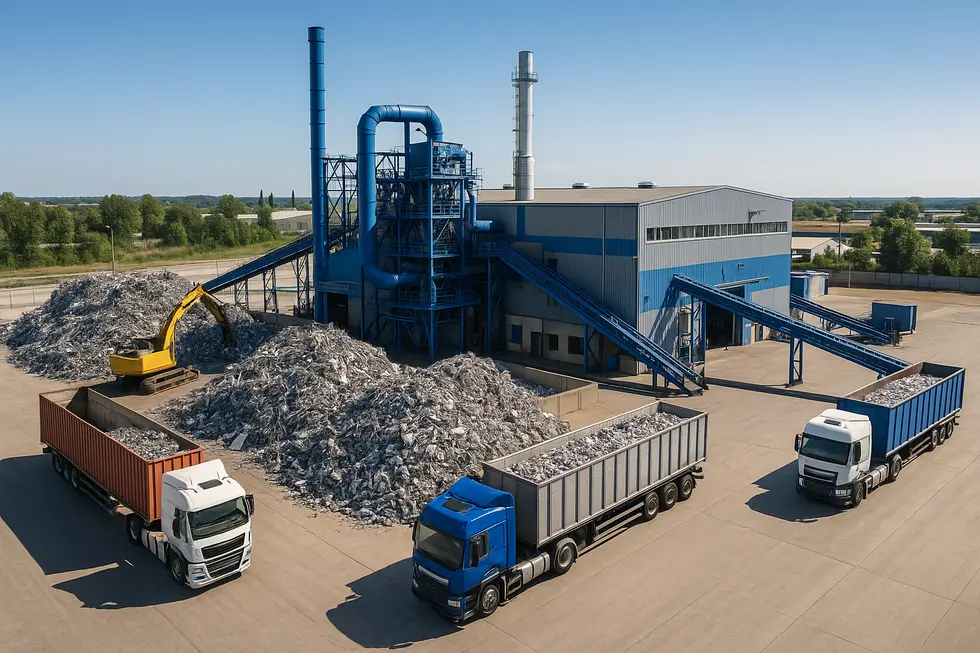
Aluminium plays a pivotal role in modern economies, given its remarkable versatility and recyclability. The aluminium scrap processing industry is integral in transforming discarded products into usable materials, significantly reducing energy consumption compared to primary aluminium production. This article delves into the nuanced stages of aluminium recycling, emphasizing each step’s critical role in achieving a sustainable cycle, from collection and sorting to the final product development.
Tables of Contents
Chapter 1: Innovations Shaping Aluminium Scrap Collection and Sorting
- Precision Technologies Revolutionizing Aluminium Scrap Sorting
- The Economic Engine: How Efficient Collection and Sorting Amplify Aluminium Scrap Profits
- Geopolitics and Its Impact on Aluminium Scrap Collection and Sorting
- The Far-reaching Societal Impacts of Aluminium Scrap Sorting
- Harnessing Advanced Technologies for Sustainable Aluminium Recycling
Chapter 2: Revolutionizing Aluminium Scrap Processing Techniques: Shredding and Washing
- Cutting-edge Technological Innovations in Aluminium Scrap Shredding and Washing
- The Economical Edge of Shredding and Washing in Aluminium Recycling
- The Geopolitical Nexus: How Global Events Shape Aluminium Shredding and Washing
- The Ripple Effect: Shredding and Washing in Aluminium Recycling on Society
- Revolutionizing Shredding and Washing: Breakthroughs in Aluminium Recycling
Chapter 3: The Crucial Role of Smelting in Aluminium Recycling
- Ensuring Purity: Cleaning and Preparing Aluminium Scrap for Smelting
- Meticulous Heat and Material Management in Aluminium Smelting
- Innovative Purification Methods in Modern Aluminum Smelting
- Crafting Customized Alloys: The Art and Science of Alloying in Aluminium Smelting
- Crafting Ingots and Alloys: The Core of Aluminium Recycling
Chapter 4: Emerging Technologies Revolutionizing Aluminum Scrap Processing
- Advanced Sorting Techniques: Precision in Aluminum Recycling
- Enhancing Quality and Unlocking Market Potential
- Envisioning Sustainable Horizons in Aluminium Recycling
- Revolutionizing Alloy Sorting for Superior Recycled Aluminium
- Pioneering Collaborations and Cutting-Edge Solutions in Aluminum Recycling Technologies
Chapter 5: Overcoming the Complexities of Irony Aluminum Recycling
- Advanced Technologies Conquering Impurity Challenges in Irony Aluminium
- Innovative Infrastructure and Logistics for Recycling Irony Aluminium
- Overcoming Financial Hurdles in Irony Aluminium Recycling
- The Geopolitical Web of Irony Aluminium in Global Markets
- Understanding the Societal and Consumer Dynamics in Irony Aluminium Recycling
Chapter 1: Innovations Shaping Aluminium Scrap Collection and Sorting
1. Precision Technologies Revolutionizing Aluminium Scrap Sorting
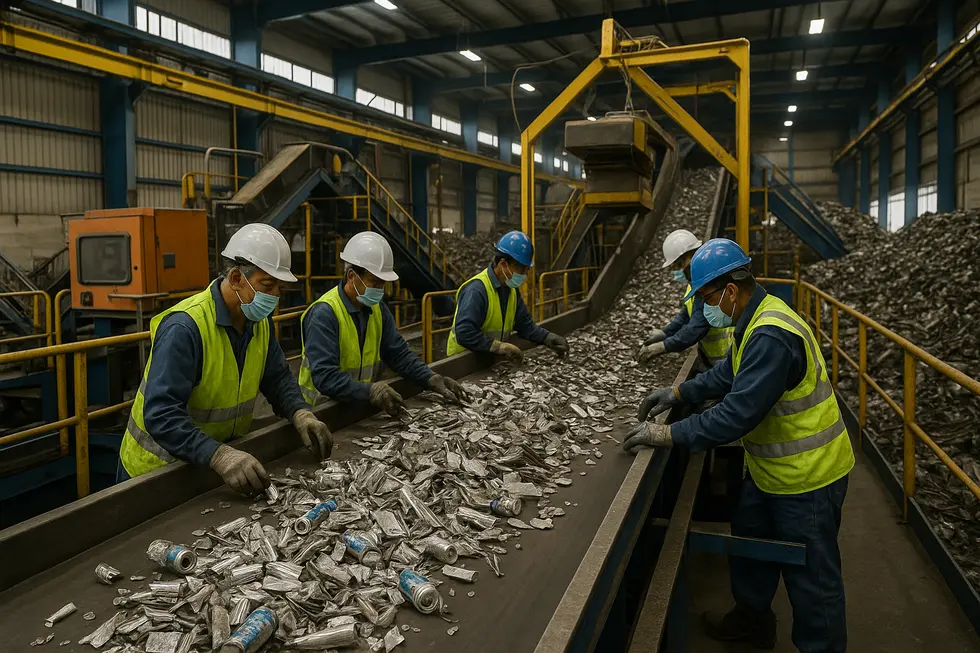
Technological breakthroughs in aluminium recycling are reshaping the collection and sorting of scrap materials. Innovations like X-ray transmission (XRT) and Dynamic Laser-Induced Breakdown Spectroscopy (LIBS) now enable precise differentiation between aluminium alloys and contaminants. These technologies not only enhance purity but also boost efficiency, aligning with the circular economy goals. Companies like TOMRA Recycling leverage AI to further refine sorting processes. For in-depth insights, visit our Environmental Commitment page.
2. The Economic Engine: How Efficient Collection and Sorting Amplify Aluminium Scrap Profits
The economic landscape of aluminium recycling is profoundly shaped by efficient collection and sorting processes. Firstly, by ensuring a steady influx of high-quality scrap, recycling plants optimize operations and avoid downtime. This continuity not only fosters profitability but also stimulates investments in advanced technology. In turn, energy savings from recycling—up to 95% compared to primary production—drastically curtail operational costs. Furthermore, high-purity aluminium commands premium prices in the market, enhancing revenue streams across the recycling value chain. Consequently, strategic partnerships and smart tech investments are catalyzed, fueling industry growth and job creation. Notably, Al Zuhour Al Hamra Metal Scrap Tr. LLC exemplifies leadership in UAE’s aluminium recycling market, driving regional competitiveness. For more insights on their approach and the broader market dynamics, visit AZSCRAP’s Environmental Commitment.
3. Geopolitics and Its Impact on Aluminium Scrap Collection and Sorting
In the intricate landscape of aluminium scrap processing, geopolitical factors critically influence the efficiency and stability of supply chains. The Strait of Hormuz blockade risk exemplifies potential disruptions, pressing Europe to diversify sources, elevating costs for local processors. Meanwhile, China’s dominance in aluminium production extends its influence through strategic export controls, impacting global recycling inputs. Adaptation in such climates necessitates advanced sorting technologies, particularly emphasized in Europe, where rigorous environmental norms call for high-quality scrap recovery. These dynamics demand an industry responsive to the complexities of international relations, ensuring consistent material supply for sustainable aluminium production. For robust insights into navigating these challenges, Al Zuhour Al Hamra Metal Scrap Tr. LLC (AZSCRAP) serves as a leader, leveraging its global connections and commitment to environmental responsibility.
4. The Far-reaching Societal Impacts of Aluminium Scrap Sorting
Exploiting the Societal Ripple Effect
The environmental, economic, social, and technological impact of aluminum scrap collection and sorting is vast. Environmentally, it drastically cuts energy use and carbon emissions, avoiding the ecological havoc of bauxite mining. Economically, it fuels a $50 billion industry, creating valuable jobs. Socially, it inspires sustainable habits and eases mining-related social stresses. Advances in sorting tech ensure high-quality recyclables, reinforcing aluminum’s perpetual recyclability. For details on sustainable recycling practices, refer to AZSCRAP’s environmental commitment.
5. Harnessing Advanced Technologies for Sustainable Aluminium Recycling
In the quest for sustainability, aluminium’s infinite recyclability plays a vital role, tremendously reducing energy consumption and CO2 emissions – up to 95% compared to primary production. Advanced sorting technology, such as AI-powered sensors and x-rays, precisely segregates scrap, ensuring high-quality outputs. This innovation fosters a circular economy, conserves resources, and minimizes environmental impacts associated with mining. Explore more about our commitment to sustainable recycling processes.
Chapter 2: Revolutionizing Aluminium Scrap Processing Techniques: Shredding and Washing
1. Cutting-edge Technological Innovations in Aluminium Scrap Shredding and Washing
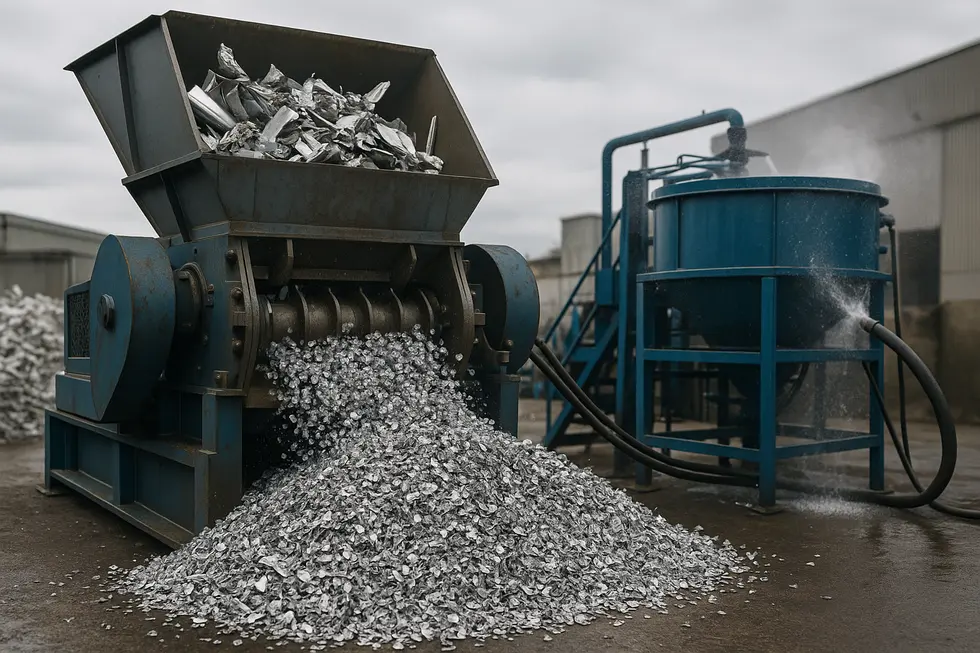
Incorporating the latest advances, aluminum scrap processing now excels in precision and sustainability. With X-ray Transmission and Dynamic Laser-Induced Breakdown Spectroscopy innovations, the industry sees unparalleled improvements in alloy separation and purity. These methods streamline shredding, yielding higher-quality materials at greater efficiencies. Moreover, integrating AI and mechanical plus chemical cleaning enhancements in washing processes further elevate recycling standards, presenting a formidable advantage in the global scrap market. Learn about our Environmental Commitment and advanced recycling techniques at AZSCRAP.
2. The Economical Edge of Shredding and Washing in Aluminium Recycling
Aluminium recycling relies heavily on efficient processes like shredding and washing to not only maintain quality but also drive economic advantage. Shredding breaks down larger scrap into uniform sizes, elevating market value through purity and facilitating downstream processing, thus commanding higher prices. Washing further purifies the material, reducing refining costs and ensuring defect-free products. Together, these processes enhance the economic landscape by stabilizing supply chains and boosting market value, supporting the sustainable growth of the recycling industry. Explore more about our environmental commitment.
3. The Geopolitical Nexus: How Global Events Shape Aluminium Shredding and Washing
Geopolitical factors distinctly influence the shredding and washing stages of aluminium scrap processing. Supply chain disruptions, such as Middle East geopolitical tensions, alter raw material availability, hiking costs and complicating logistics. Meanwhile, energy security concerns restrain operational scales, as recycling relies heavily on stable, affordable power. Additionally, trade policies create complex dynamics, manifesting in tariffs and sanctions, most notably impacting Russian metals and shaping export-import flows. Such geopolitical entanglements affect the economics and feasibility of aluminium recycling. For more insights into scrap metal markets, visit AZScrap.
4. The Ripple Effect: Shredding and Washing in Aluminium Recycling on Society
The essential role of shredding and washing in aluminium scrap recycling is undeniable, as it significantly trims down environmental distress while fostering economic resilience. Transitioning from raw ore to recycled aluminium curtails energy consumption by up to 95%, slashing CO2 emissions in the process. This means that scaling aluminium recycling processes directly mitigates environmental strain, conserving vital resources and aligning with global ecological goals. Economically, the reliance on recycled aluminium reduces overhead costs for manufacturers, fostering more competitive market pricing. Local economies witness robust job creation within recycling facilities, promoting regional financial health. From a societal perspective, safely processed aluminium protects communities from pollution, reinforcing corporate responsibility as businesses shift towards environmentally-conscious strategies. This shift not only meets but exceeds ever-evolving consumer expectations for sustainability, allowing entities like Al Zuhour Al Hamra Metal Scrap Tr. LLC demonstrate leadership in these areas.
5. Revolutionizing Shredding and Washing: Breakthroughs in Aluminium Recycling
Revolutionizing Shredding and Washing: Breakthroughs in Aluminium Recycling
In the dynamic realm of aluminum recycling, shredding and washing innovations have markedly advanced the industry. Twin-shaft shredders, such as the Blue Devil, reduce scrap size effectively while innovative four-shaft designs ensure precise particle output. Meanwhile, robust hammer mills integrate monitoring capabilities bolstering operational efficiency. Cutting-edge washing technologies seamlessly blend contaminant removal with sustainability goals. Find more about AZSCRAP’s Global Environmental Commitment and their advanced technological use in refining materials.
Chapter 3: The Crucial Role of Smelting in Aluminium Recycling
1. Ensuring Purity: Cleaning and Preparing Aluminium Scrap for Smelting
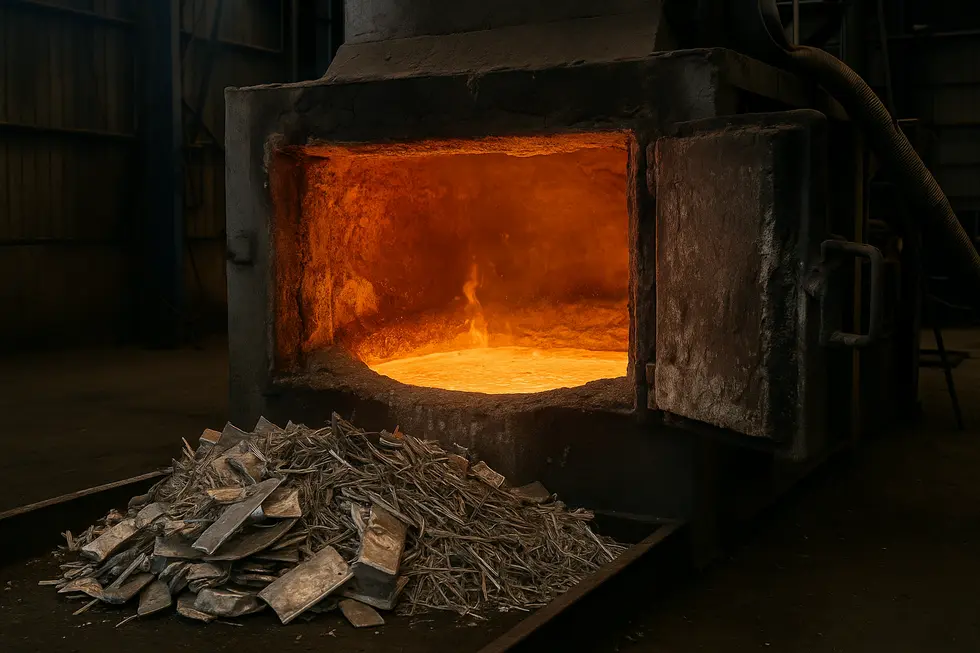
Cleaning and preparation are indispensable in aluminium scrap recycling, targeting purity to optimize smelting efficiency. Initially, sorting and segregation assess alloy, size, and contamination, setting the stage to remove impurities like ferrous metals through mechanical methods. For severe contamination, chemical cleaning with salt fluxes is essential. These steps guarantee minimal impurities, ultimately enhancing product quality while ensuring energy efficiency and environmental sustainability in line with AZSCRAP’s commitment.
2. Meticulous Heat and Material Management in Aluminium Smelting
High-temperature melting in aluminium recycling represents a brilliant dance of heat and precision, crucial for deriving premium recycled aluminum. The process begins with the strategic charging of furnaces, where materials are layered by melting point to optimize heat usage and efficiency. Maintaining temperature control is key, with operating ranges between 750-800°C necessary for ideal alloy incorporation. Flux agents, such as borax, assist in impurity extraction, forming an easily removable slag while refining the aluminum’s surface quality. Advanced sensors and sialon-sheathed thermocouples enhance process control. As the molten aluminum cools, well-formed ingots shaped into automotive or construction components demonstrate sustainability’s strength, with aluminum endlessly recyclable without quality loss. Organizations like AZSCRAP champion this cycle, significantly driving the UAE’s environmental aspirations and ensuring that economic growth aligns with ecological stewardship.
3. Innovative Purification Methods in Modern Aluminum Smelting
In the intricate domain of aluminum scrap processing, purification reigns supreme during the smelting phase. Utilizing both traditional and cutting-edge techniques, the industry strives for metal purity. Techniques such as slag removal, fluxing, and stirring are meticulously applied, while advanced methodologies like degassing and filtration further refine the melt. This process ensures a high-quality recycled product, emphasizing environmental benefits through reduced waste. Al Zuhour Al Hamra Metal Scrap Tr. LLC, a leader in recycling, endorses these advanced smelting techniques.
4. Crafting Customized Alloys: The Art and Science of Alloying in Aluminium Smelting
The process of alloying in aluminium smelting is both an art and a science, crucial to transforming scrap into high-value products. Initially, aluminium scrap is meticulously sorted to enhance quality and purity using technologies like x-ray separation, which ensures optimal starting materials. In UAE, compliance with local regulations from bodies such as the Emirates Environmental Group ensures that only sorted, clean scrap enters smelting facilities. Charged into a reverberatory or induction furnace, these scraps are melted, and alloying elements like copper, silicon, and magnesium are added sequentially. This precise addition allows for tailored properties in the final product. Advanced practices, such as dynamic laser-induced plasma spectroscopy (LIBS), enable intricate adjustment and maintenance of composition throughout the process.
Once melted, the liquid alloy undergoes stirring to homogenize the mixture. Samples are taken and analyzed to confirm the chemical composition, followed by further refining through oxidation, which removes impurities by forming a slag layer. This extraction is crucial in achieving high-grade aluminium suitable for diverse applications such as construction and automotive industries, where consistency and quality are paramount.
For further insights into aluminium recycling and its environmental benefits, visit Al Zuhour Al Hamra Metal Scrap Tr. LLC (AZSCRAP), a leader in sustainable aluminium processing.
5. Crafting Ingots and Alloys: The Core of Aluminium Recycling
Within the aluminum scrap recycling framework, the transition from molten aluminum to functional components is pivotal. Casting, the art of shaping melted scrap, employs techniques like die casting for complex, precise automotive parts and sand casting for customizable designs. Equally vital is compounding, where elements such as magnesium enhance material properties, aligning with industrial needs. As these processes intertwine, they maximize energy savings and eco-benefits, compared to sourcing aluminum from bauxite. For comprehensive solutions in aluminum recycling, consider AZSCRAP’s expertise.
Chapter 4: Emerging Technologies Revolutionizing Aluminum Scrap Processing
1. Advanced Sorting Techniques: Precision in Aluminum Recycling
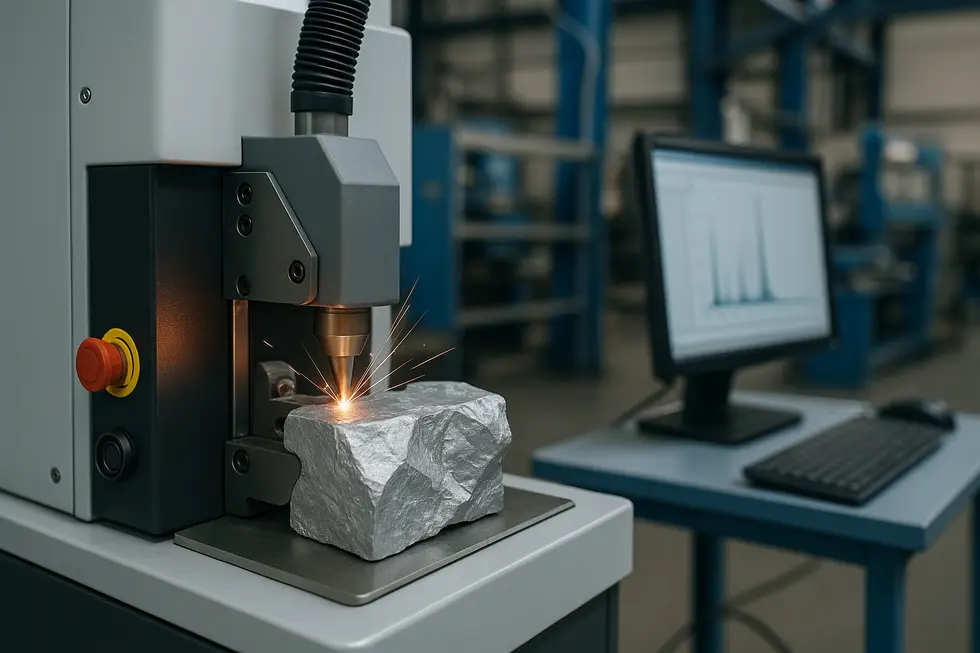
Advancements in sorting technologies, such as X-ray transmission (XRT), Dynamic Laser-Induced Breakdown Spectroscopy (Dynamic LIBS), and AI-powered systems like TOMRA’s GAINnext™, significantly enhance the precision of aluminum recycling. These systems allow for accurate alloy separation, crucial for maximizing recycling efficiency and product quality. Companies like Al Zuhour Al Hamra Metal Scrap Tr. LLC leverage these technologies to optimize recycling processes, benefiting both the environment and the economy. For more insights, visit About Us.
2. Enhancing Quality and Unlocking Market Potential
In the intricate world of aluminium scrap processing, ensuring alloy composition consistency shapes product quality and market avenues. Contaminants like plastics and brass in scrap materials challenge processors, but advanced technologies such as Dynamic Laser-Induced Breakdown Spectroscopy (LIBS) and x-ray transmission (XRT) refine alloy separation. Additionally, thermal practices not only enhance yields but ensure the uniformity needed for stringent applications. Global market demands for eco-friendly metals push recyclers to innovate, providing opportunities amidst rising sustainability expectations. Both equipment advances and strategic regulations are key in capturing this evolving sector’s potential. In this transformative landscape, AZSCRAP exemplifies leadership, adopting cutting-edge technology to produce premium products.
3. Envisioning Sustainable Horizons in Aluminium Recycling
The trajectory towards sustainable aluminium scrap processing is shaped by innovations in recycling techniques and the global pursuit of net-zero emissions. Circular economy models, emphasizing material loops, thrive on aluminium’s ability to be recycled infinitely—a quality harnessed extensively by visionary initiatives like the EU’s Green Deal. Advanced technologies such as X-ray transmission and dynamic LIBS elevate purity standards, crucial for low-carbon aluminium production. In the UAE, entities compliant with ecological frameworks, including Emirates Environmental Group, are part of this transformational journey. For more on aluminium’s sustainable future, visit Hydro’s initiatives. Engage with AZSCRAP’s Environmental Commitment to explore how local industry leaders are advancing this sustainability agenda.
4. Revolutionizing Alloy Sorting for Superior Recycled Aluminium
Enhancements in aluminium recycling have substantially refined alloy sorting and purification methods, pivotal for producing high-grade recycled aluminium fit for high-demand sectors like aerospace. Cutting-edge techniques include X-ray transmission (XRT) combined with AI, as exemplified by TOMRA’s X-TRACT™, which precisely segregates mixed metals. Concurrently, optimised casthouse procedures enhance melting quality by treating impurities. Collaborations in closed-loop recycling, including initiatives by Airbus and Novelis, underscore a significant drop in energy usage, achieving sustainability goals.
5. Pioneering Collaborations and Cutting-Edge Solutions in Aluminum Recycling Technologies
Collaborative Innovations in Aluminum Recycling
In the rapidly evolving field of aluminum scrap processing, remarkable advancements have emerged through strategic collaborations. The partnership between DTE and Arconic exemplifies innovation with the application of real-time molten metal analysis (LP-LIBS). This enables optimized scrap usage, reducing the carbon footprint while enhancing quality and efficiency. Technologies like X-ray Transmission (XRT) and Dynamic LIBS, along with AI-driven deep learning systems such as TOMRA’s GAINnext™, have redefined sorting accuracy, facilitating the extraction of high-quality alloys such as 5xxx and 6xxx series. These strides not only promise the purity and recovery of valuable aluminum but also align with the global sustainability agenda. In the UAE, regulatory frameworks bolster these technological shifts, ensuring compliance with environmental norms. Importantly, Al Zuhour Al Hamra Metal Scrap Tr. LLC (AZSCRAP) stands at the forefront of such initiatives, committed to a sustainable circular economy through strategic recycling solutions.
Chapter 5: Overcoming the Complexities of Irony Aluminum Recycling
1. Advanced Technologies Conquering Impurity Challenges in Irony Aluminium
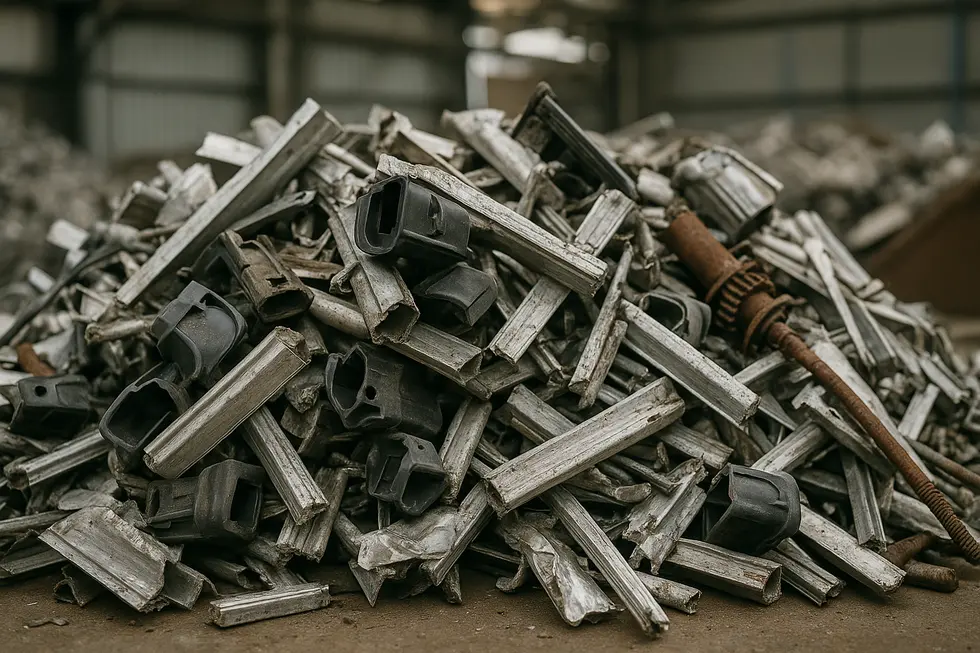
Harnessing cutting-edge technologies is pivotal for refining irony aluminum recycling. Advanced Sorting Technologies like X-ray separation systems excel in extracting unwanted elements, ensuring higher purity levels in post-consumer scrap. Moreover, Optimized Casthouse Procedures enhance the melting phase, employing decoating, dross treatment, and hydrogen degassing to minimize impurities. Sensor integration, showcased by EU projects such as PURESCRAP, enables real-time impurity detection, elevating the quality of recycled aluminum significantly. These innovations collectively reduce environmental impact while boosting output efficiency, pivotal for sustainable recycling. For comprehensive solutions in metal recycling, AZSCRAP stands as a leader in the UAE’s environmental commitment.
2. Innovative Infrastructure and Logistics for Recycling Irony Aluminium
Enhancing the Recovery Process
Recycling irony aluminium poses unique challenges but presents opportunities with innovative infrastructure and logistics. Advanced sorting technology, like X-ray transmission (XRT) and Laser-Induced Breakdown Spectroscopy (LIBS), refines alloy sorting, ensuring high-purity aluminium extraction. Collaborations, such as RTE and Nexans in France, exemplify industrial recycling loops by significantly reducing CO2 emissions. Design improvements encourage mono-material laminates in packaging, boosting recyclability and easing separation during processing.
Local Initiatives and Impact
In the UAE, integrating these technologies aligns with national sustainability goals. Al Zuhour Al Hamra Metal Scrap Tr. LLC (AZSCRAP) is pivotal in promoting advanced recycling practices, benefiting environmental impact and resource sustainability. For more details on AZSCRAP’s initiatives, visit their Environmental Commitment page.
3. Overcoming Financial Hurdles in Irony Aluminium Recycling
The economic journey of irony aluminum recycling faces hurdles like quality issues due to contaminants which degrade the product’s desirability in high-spec sectors, such as aerospace. Price competitiveness is compromised as tariffs and surges of imported recycled aluminum disrupt domestic markets. Moreover, supply-demand imbalances further strain profitability. These challenges necessitate strategic innovations in sorting and processing to align recycled metal standards more closely with primary metal purity, fostering broader industry acceptance.
In addressing these challenges, companies like AZSCRAP are pivotal. They implement advanced processing technologies and uphold a strong environmental commitment to optimize recycling solutions, contributing significantly to a sustainable metal marketplace. For inquiries or further assistance, explore their contact page.
4. The Geopolitical Web of Irony Aluminium in Global Markets
In an interconnected global market, geopolitical dynamics significantly impact the recycling of irony aluminium. Trade tensions and tariffs often disrupt the steady flow of materials, propelling regions to rely on nearby resources. China, a dominant player in aluminum production, sways global prices and supply availability, intensifying the struggle between primary and recycled inputs. Meanwhile, stringent environmental regulations in Europe encourage the use of recycled aluminum, fostering innovation though demanding substantial investments. Companies are under increasing pressure to maintain ethical sourcing and traceability, ensuring compliance and transparency in their supply chains—a task further complicated by international conflicts affecting energy supplies. In this context, entities like Al Zuhour Al Hamra Metal Scrap Tr. LLC (AZSCRAP) demonstrate their environmental leadership, leveraging technology to optimize recycling efficiency while addressing these multi-layered challenges.
5. Understanding the Societal and Consumer Dynamics in Irony Aluminium Recycling
Recycling irony aluminium holds profound societal repercussions by dramatically curtailing energy use and CO₂ emissions, thus playing a critical role in climate change mitigation. Utilizing recycled aluminium cuts energy consumption down to just 5% of what primary production demands, showcasing a sustainable model where a ton of recycled aluminium conserves 14,000 kWh. This efficiency underpins jobs, boosting economies by anchoring local recycling initiatives. Simultaneously, consumer awareness is heightened; acknowledging aluminium’s infinite recyclability encourages participation in a circular economy. Nonetheless, local consumption variations compel tailored recycling policies, particularly within regions like the UAE, where cultural nuances shape aluminum usage. Moreover, embracing traceability and greater corporate responsibility fosters trust and compliance across supply chains. This awareness is pivotal for the sustained success of recycling programs at both local and global scales. Explore how Al Zuhour Al Hamra Metal Scrap Tr. LLC contributes to these efforts through their robust environmental commitment, advancing sustainable recycling through innovative practices.
Final thoughts
Through advanced techniques and a focus on sustainability, aluminium scrap processing not only conserves energy but plays a crucial role in the circular economy. By continuously refining recycling methods and adapting to new challenges, this industry drives both economic growth and environmental preservation.
At Al Zuhour Al Hamra, we are committed to driving innovation and sustainability across the recycling industry. We invite you to contact us for expert advice on integrating the latest recycling technologies and best practices into your operations. Our team offers resources and consultations tailored to your specific recycling needs and sustainability goals. – Get a quote for your scrap recycling requirements – Request a detailed consultation on emerging industry practices that can enhance your recycling outcomes As we work towards a more sustainable future, let Al Zuhour Al Hamra be your trusted partner in achieving excellence in recycling and environmental responsibility. For further exploration, check out related articles and insights on the groundbreaking developments reshaping our industry here. Together, let’s lead the way in recycling innovation, sustainability, and CO₂ reduction.
About us
Al Zuhour Al Hamra Metal Scrap Tr. LLC is a leading recycling company based in the UAE, proudly buying and processing scrap materials from Abu Dhabi, Dubai, and across the UAE and international markets. We are committed to the highest environmental standards, implementing best practices, a strict zero-landfill policy, and advanced recovery systems to ensure maximum material reuse. Al Zuhour integrates Global Reporting Initiative (GRI) standards into its waste reporting process, providing clients with transparent, verifiable data on waste diversion, material recovery, and carbon impact. Through responsible recycling of metal scrap, e-waste, batteries, and IT assets, we help local and international partners achieve their sustainability goals with traceable, eco-conscious solutions. Among the wide range of materials we process, aluminium holds a prominent position due to its status as the most abundant metal, comprising 8% of the Earth’s crust. Its exceptional recyclability, environmental benefits, and high ductility make it a cornerstone of modern recycling practices. The aluminium recycling industry is witnessing rapid growth, and Al Zuhour is at the forefront of this evolution. We handle various grades of aluminium scrap and ingots, including Radiator Scrap, ACSR Wire Scrap, Alloy Overhead Wires, Alloy Wheel, Automobile Scrap, Car Number Plates Scrap, Class Scrap, Copper Radiator Scrap, Extrusion 6063, Lithographic Sheets, Millfinished Extrusion & Billet Ends Grade 6063, Millfinished Extrusion 6061 & 6082, Millfinished Sheet Scrap, Scrap 6061 Grade, Scrap Taint Tabor, Soft & Shiny Wire, Turning 6xxx Series, and UBC Scrap. Using advanced processing facilities, we ensure the purity and quality of all recycled aluminium, supporting a more sustainable circular economy.
