
Introduction
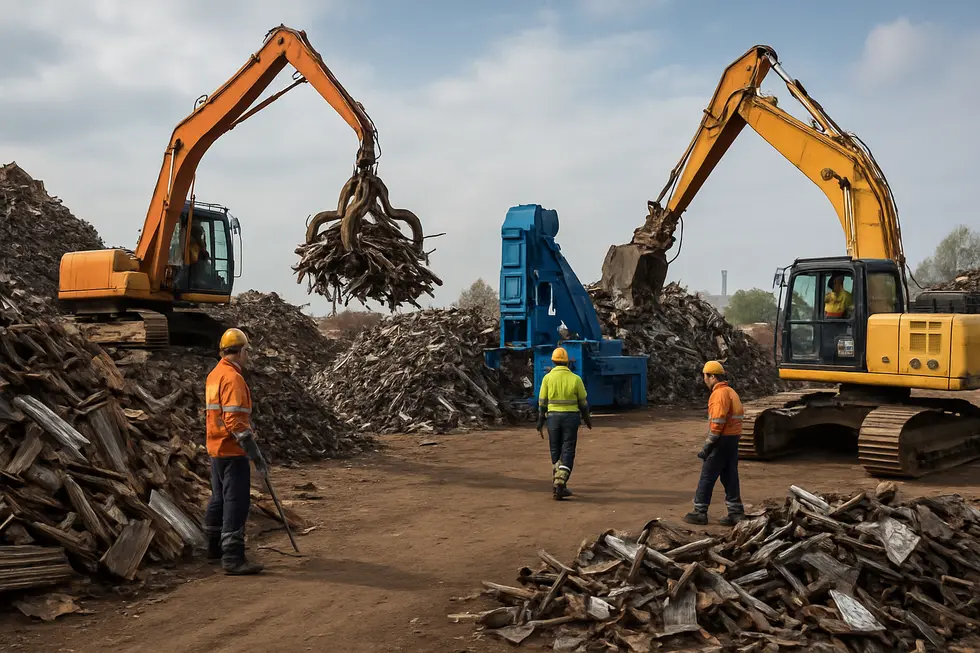
Ferrous scrap metal recycling services are at the forefront of innovation, with significant advancements shaping the industry. These services not only transform waste into valuable resources but also drive economic growth, environmental sustainability, and regulatory compliance. As we explore technological innovations, economic impacts, market dynamics, environmental benefits, and the regulatory landscape, this discussion highlights the key factors influencing the industry’s trajectory and the vital role it plays in global sustainability.
Tables of Contents
Chapter 1: Cutting-Edge Mechanisms in Ferrous Metal Recycling
- Advanced Machinery Transforming Shredding & Separation
- Precision Sorting: Innovations in Magnetic and Ballistic Separation
- Smart Systems and Data-Driven Solutions Transform Ferrous Recycling
- Revolutionizing Sorting: AI-Driven Imaging Technologies in Ferrous Scrap Recycling
- Integrating Sustainability and Circular Economy in Metal Recovery Technologies
Chapter 2: Financial and Environmental Gains from Ferrous Metal Recycling
- Quantifiable Savings in Manufacturing from Ferrous Recycling
- Revenue Streams and Market Expansion through Ferrous Scrap Metal Recycling
- Empowering Domestic Industries: Economic Contributions of Ferrous Scrap Recycling
- The Dynamic Effects of Tariffs on Ferrous Scrap Metal Recycling
- Integrating Diverse Sectors: The Supply Chain Dynamics in Ferrous Recycling
Chapter 3: Harnessing the Power: Environmental Advantages of Ferrous Scrap Recycling
- Revolutionizing Energy Use: The Role of Ferrous Scrap Metal Recycling
- Combatting Contaminants: Ferrous Scrap Metal Recycling and Pollution Control
- Conserving Resources: Environmental Gains from Ferrous Scrap Metal Recycling
- Harnessing Ferrous Scrap Metal Recycling for Sustainable Waste Solutions
- Driving Climatic Balance: The Role of Ferrous Scrap Metal Recycling
Chapter 4: Exploring the Dynamics of Ferrous Scrap Metal Recycling Markets
- Pioneering Green Transformation in Ferrous Metal Recycling Markets
- Driving Forces Behind Industrial Demand for Ferrous Scrap Recycling
- Innovative Technologies Transforming Market Analysis in Ferrous Scrap Metal Recycling
- Decoding Ferrous Scrap Metal Pricing Signals
- Navigating the Competitive Landscape and Regional Dynamics of Ferrous Scrap Recycling
Chapter 5: Environmental Compliance in Ferrous Scrap Metal Recycling
- Navigating EPA Regulations: Ferrous Scrap Recycling Essentials
- Harnessing EU Circular Economy Policies for Ferrous Metal Recycling
- The Role of International Trade Surveillance in Ferrous Metal Recycling
- Contrasting Regulatory Landscapes: EU vs. US Approaches to Ferrous Scrap Metal Recycling
- Balancing Trade and Sustainability in Ferrous Scrap Recycling
Chapter 1: Cutting-Edge Mechanisms in Ferrous Metal Recycling
1. Advanced Machinery Transforming Shredding & Separation
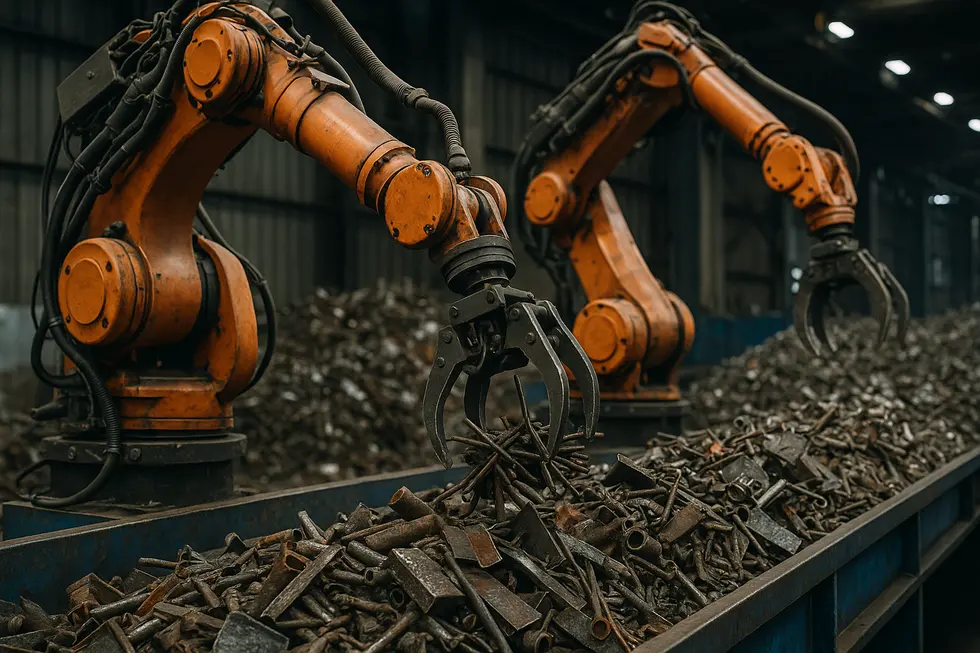
Technological advancements in shredding and separation equipment are revolutionizing ferrous scrap recycling. Modern shredders efficiently reduce large materials while maintaining valuable metal integrity. High-frequency eddy current separators and magnetic pulleys achieve precise metal sorting, enhancing recovery rates and reducing manual labor. Additionally, innovations like Eriez’s integrated systems boost productivity and metal purity. As a leader in sustainability, AZSCRAP demonstrates a commitment to eco-friendly recycling processes. Learn more about their practices.
2. Precision Sorting: Innovations in Magnetic and Ballistic Separation
In the world of ferrous scrap metal recycling, advanced magnetic and ballistic separation technologies form the crux of efficient and effective processing. Dynamic pulley separators utilize agitating magnetic fields to recover small metal fragments often missed by traditional magnets. Meanwhile, drum-in-housing systems and suspended electromagnets ensure pristine separation vital for downstream processes. Ballistic separators, by propelling materials onto varied trajectories, effectively segregate scrap based on physical properties, optimizing purity, and decreasing copper impurities. Together, these technologies fuel more sustainable, automated recycling workflows. For eco-friendly operations and environmental impact, explore AZSCRAP’s Environmental Commitment.
3. Smart Systems and Data-Driven Solutions Transform Ferrous Recycling
The synergy of automation and digitalization is at the heart of transforming ferrous scrap metal recycling into a cutting-edge industry. Advanced automation technologies, such as AI-enhanced sorting systems, allow pinpoint accuracy in material classification, enhancing purity, reducing manual intervention, and promoting sustainability. For instance, companies like Aurubis employ fully automated sample preparatory frameworks and digital platforms, optimizing decision-making and maximizing metal recovery. Meanwhile, SMS group’s automation upgrades—with model-based control and predictive maintenance—augment safety and productivity. Additionally, Hybar LLC’s use of renewable energy epitomizes the environmental benefits of these advancements. Collectively, these innovations exemplify a vividly connected and eco-efficient recycling future. Consider Al Zuhour Al Hamra Metal Scrap Tr. LLC for sustainable scrap solutions and contact them for expert inquiries.
4. Revolutionizing Sorting: AI-Driven Imaging Technologies in Ferrous Scrap Recycling
AI-driven imaging technologies are transforming ferrous scrap metal recycling, enhancing sorting efficiency and accuracy. Integrating hyperspectral imaging with advanced AI software, recycling facilities can now dynamically and precisely identify metals on conveyor belts, boosting recovery rates and minimizing contamination. These AI systems, utilizing sensors and machine learning, also optimize logistics and reduce emissions, contributing to more sustainable recycling practices. Notably, Al Zuhour Al Hamra Metal Scrap Tr. LLC plays a pivotal role in advancing these eco-friendly methods in the UAE. Learn more about their Environmental Commitment.
5. Integrating Sustainability and Circular Economy in Metal Recovery Technologies
Integrating cutting-edge technologies in ferrous scrap metal recycling fosters sustainability and a circular economy. By maximizing resource efficiency, recycling reduces virgin material consumption and landfill waste. Advanced sorting techniques, including magnetic separation and automated systems, ensure higher purity and improved recycling efficiency. Additionally, regulatory incentives accelerate the adoption of innovative infrastructure, positioning recycling as a key player in local economic growth and environmental conservation. For further insights, contact AZSCRAP, a leader in sustainable practices.
Chapter 2: Financial and Environmental Gains from Ferrous Metal Recycling
1. Quantifiable Savings in Manufacturing from Ferrous Recycling
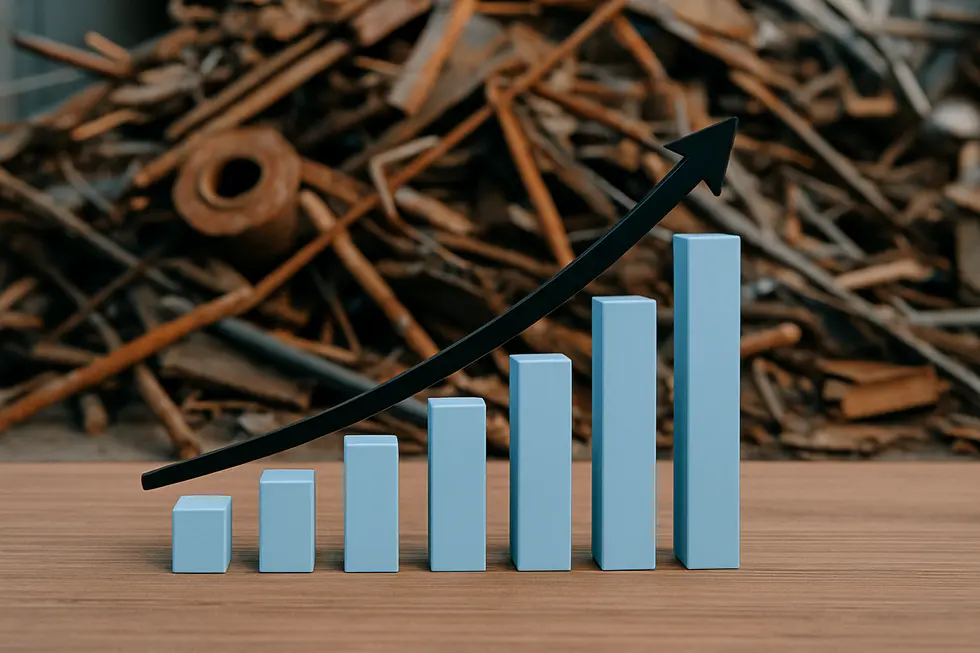
In the dynamic arena of manufacturing, ferrous scrap metal recycling emerges not merely as an ecological choice but as a formidable cost-saving strategy. Recycling significantly trims raw material costs by reducing the reliance on expensive virgin ores. Technologies like Eriez’s Shred1 enhance product quality by purifying scrap intake in EAF mills, thereby maximizing efficiency. Moreover, localized recycling diminishes dependence on tariff-laden imports, shaping a robust economic backbone through energy-efficient processes and supply chain localization. For more on sustainable practices, explore AZSCRAP’s Environmental Commitment.
2. Revenue Streams and Market Expansion through Ferrous Scrap Metal Recycling
The thriving U.S. scrap metal recycling market is set to expand from USD 10.3 billion in 2024 to USD 18.47 billion by 2035, driven by ferrous metals. This growth reflects not only increasing demand but also financial incentives for businesses recycling ferrous scrap. Recycling processes such as using Eriez’s Shred1 separator enhance metal quality and profitability. Emirates Environmental Group emphasizes that sustainable recycling practices contribute to environmental conservation and corporate revenue. Discover how Al Zuhour Al Hamra Metal Scrap Tr. LLC leads the UAE market with sustainable initiatives this link.
3. Empowering Domestic Industries: Economic Contributions of Ferrous Scrap Recycling
Ferrous scrap recycling substantially bolsters domestic industries by anchoring a sustainable industrial framework. Recycled steel and iron reduce dependency on costly imports and volatile raw material markets, offering a buffer against global economic fluctuations. Local recycling efforts enhance job creation and promote technological advancements in metal recovering processes, cementing their role in the national industrial ecosystem. As more sectors commit to sustainable practices, the demand for recycled ferrous metals continues to rise, ensuring ongoing industrial viability. For insights into sustainable corporate practices in recycling, visit Environmental Commitment.
4. The Dynamic Effects of Tariffs on Ferrous Scrap Metal Recycling
Tariffs have a profound impact on ferrous scrap metal recycling economies, shaping cost structures and market flows on a global scale. These tariffs elevate import costs, pressuring steel manufacturers and, consequentially, the end-user industries like automotive and construction. However, the increase can encourage localized recycling efforts, improving the efficiency of regional scrap processing. As tariffs spur local industry reliance, they also disrupt global supply chains. Nonetheless, the environmental and economic benefits that ferrous scrap metal recycling offers, such as reducing the need for virgin materials and conserving energy, provide stability amidst tariff-induced volatility. For more on achieving sustainability goals through scrap metal recycling, visit Environmental Commitment.
5. Integrating Diverse Sectors: The Supply Chain Dynamics in Ferrous Recycling
The role of the multi-sector supply chain in the economic impact of ferrous scrap metal recycling cannot be overstated. By integrating sectors like automotive, construction, and technology, scrap recycling creates a continuous flow of materials. Collection from individuals leads to processing, feeding manufacturers with reduced-cost raw materials. Regionally, the environmental benefits further strengthen this chain, locally boosting job creation and economic growth. Learn more about recycling dynamics.
Chapter 3: Harnessing the Power: Environmental Advantages of Ferrous Scrap Recycling
1. Revolutionizing Energy Use: The Role of Ferrous Scrap Metal Recycling
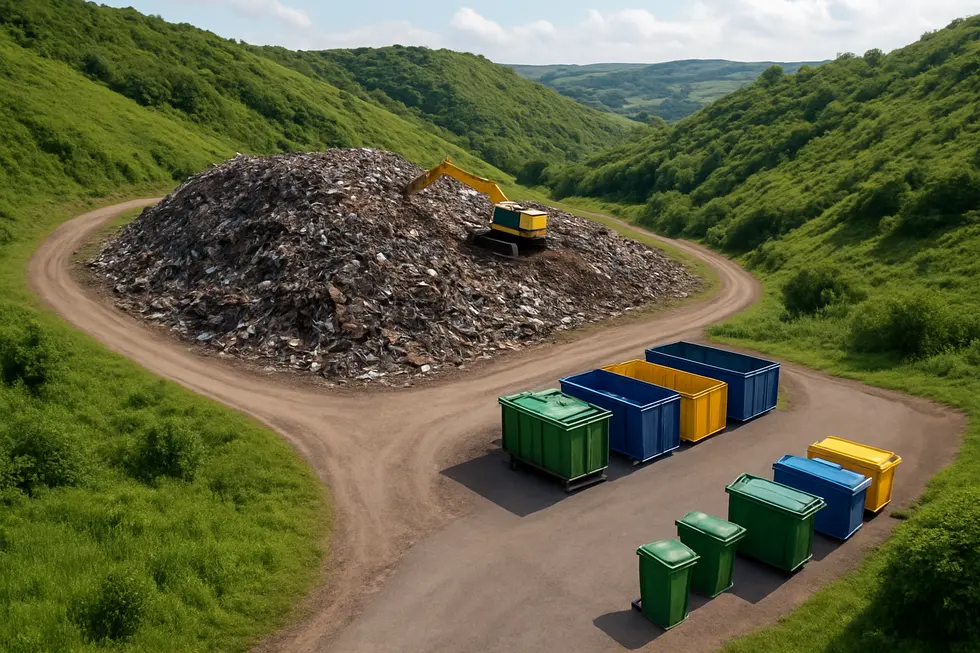
Recycling ferrous scrap metal dramatically reduces energy consumption, as it eliminates the need for the energy-heavy processes of mining and refining raw materials. Through utilizing recycled metals, industries can lower energy use by up to 95%, directly cutting greenhouse emissions and conserving water. This sustainable approach also lessens landfill waste, showcasing ferrous scrap recycling as an essential aspect of global resource management. Learn more about sustainable practices on Environmental Commitment.
2. Combatting Contaminants: Ferrous Scrap Metal Recycling and Pollution Control
The recycling of ferrous scrap metal paves the way for significant pollution control. Through energy conservation and reduced emissions, recycling dispels the need for intensive mining and smelting operations. This shift dramatically lowers greenhouse gases by cutting CO2 emissions inherent in raw material processing. Moreover, recycling directs non-biodegradable metals away from landfills, limiting hazardous leachate and conserving vital natural resources. Embracing sustainable scrap recycling thus not only benefits the environment but also supports community well-being. For more about sustainable practices in metal recycling, explore Environmental Commitment.
3. Conserving Resources: Environmental Gains from Ferrous Scrap Metal Recycling
Ferrous scrap metal recycling provides immense environmental benefits by significantly reducing resource consumption. Mining virgin ore involves energy-intensive processes such as extraction, smelting, and refining. By recycling steel and iron, these processes are bypassed, conserving energy and water and lowering greenhouse gas emissions. Moreover, recycling minimizes pollution risks by containing hazardous contaminants. Organizations like AZSCRAP are committed to enhancing this impact, focusing on sustainability and economic efficiency, promoting a circular economy framework in the UAE.
4. Harnessing Ferrous Scrap Metal Recycling for Sustainable Waste Solutions
Ferrous Scrap Metal Recycling: A Pillar of Sustainable Waste Management
Ferrous scrap metal recycling significantly enhances waste management, reducing landfill usage and environmental hazards. By recycling iron and steel, the need for resource-intensive mining processes diminishes, conserving up to 95% of energy and reducing CO2 emissions by up to 73%. This method not only limits soil contamination but also conserves water, pivotal for ecosystem preservation. As sustainable strategies gain momentum, companies like AZSCRAP lead in impactful recycling practices, transforming waste into ecological assets.
5. Driving Climatic Balance: The Role of Ferrous Scrap Metal Recycling
Ferrous scrap metal recycling services significantly contribute to climate change mitigation, offering extensive environmental benefits. Primarily, they reduce greenhouse gas emissions: recycling one kilogram of steel scrap saves about 1.5 kg of CO₂, cutting emissions by 73% compared to virgin production. Additionally, recycling conserves finite natural resources, diminishing the need for energy-consuming mining processes. This approach also prevents pollution from landfill corrosion, promoting safer soil and water quality. The energy efficiency of using recycled metals, as opposed to raw extraction, further minimizes fossil fuel reliance. Notably, ferrous scrap recycling underpins broader climate goals by facilitating lower-emission steel production, essential for sustainable industrial growth. For businesses interested in integrating sustainable recycling practices, Al Zuhour Al Hamra Metal Scrap Tr. LLC (AZSCRAP) offers a comprehensive range of services, emphasizing their environmental commitment and contact opportunities for strategic partnerships.
Chapter 4: Exploring the Dynamics of Ferrous Scrap Metal Recycling Markets

1. Pioneering Green Transformation in Ferrous Metal Recycling Markets
Ferrous scrap metal recycling has evolved with groundbreaking sustainability initiatives, essential for reducing carbon footprints and promoting eco-friendly practices. Advanced shredding and sorting technologies now enhance material quality and recovery rates. Adhering to circular economy principles, the industry strives to lessen reliance on new metal production, reducing emissions. With pioneering efforts like HYBRIT’s green hydrogen for steelmaking, the sector embraces transformative decarbonization pathways. Such innovations are integral to meeting global sustainability goals, while simultaneously addressing the rising metal demands of modern industries. Companies like AZSCRAP play a pivotal role, emphasizing environmental stewardship in their operations.
2. Driving Forces Behind Industrial Demand for Ferrous Scrap Recycling
Driving Forces Behind Industrial Demand for Ferrous Scrap Recycling
The industrial demand for ferrous scrap metal recycling is accelerating significantly due to its critical application in diverse sectors such as construction, automotive, and shipbuilding. The global market for ferrous scrap is projected to surge from USD 63.66 billion in 2025 to USD 93.90 billion by 2032, driven by a compound annual growth rate of 5.7%. In this robust growth landscape, the ferrous metal segment predominates with a 70.7% market share, reflecting its abundance and widespread industrial utility.
Key Drivers of Demand
Rapid urbanization and industrialization, particularly in emerging economies, are pivotal in boosting the use of recycled ferrous metals. Construction activities are soaring, necessitating substantial amounts of ferrous scrap as a raw material. Additionally, government mandates encouraging sustainability, such as those seen with China’s National Resources Recycling Group, are fostering further developments in recycling infrastructures.
Market Dynamics and Challenges
Ferrous scrap markets are buoyed by stable pricing and robust demand across Western regions, especially the U.S. and Canada. These dynamics are a result of improved steel demand and better mill utilization. However, the industry faces challenges such as seasonal fluctuations and elevated freight costs, which can temporarily impede trade flows.
End-User Insights
The end-users of ferrous scrap are vast, spanning from automotive and construction to the packaging industry. The cost-effectiveness and reduced environmental footprint of ferrous metals are significant advantages driving their increasing adoption.
Overall, with solid industrial demand and favorable policy landscapes, the ferrous scrap metal recycling market depicts a promising trajectory. For insights into sustainability practices in this domain, you may explore Al Zuhour Al Hamra Metal Scrap Tr. LLC’s Environmental Commitment.
3. Innovative Technologies Transforming Market Analysis in Ferrous Scrap Metal Recycling
Technological advancements have begun to revolutionize the ferrous scrap metal recycling sector, significantly boosting efficiency and sustainability. AI-driven sensor technology like X-ray fluorescence and laser-induced breakdown spectroscopy precisely identify metal impurities, enhancing sorting accuracy and material quality. Furthermore, automation and IoT have streamlined recycling operations, reducing labor costs while increasing throughput. Innovations in smelting processes ensure higher purity, crucial for industries relying on recycled metals. AZSCRAP excels in sustainable practices, reflecting a strong environmental commitment essential for modern recycling.
4. Decoding Ferrous Scrap Metal Pricing Signals
The stability of ferrous scrap metal prices is intriguing. In mid-2025, the market shows a modest increase, predicted at approximately 2.8% by July. The equilibrium in supply and demand maintains a price balance, with hot-rolled coil at $900 per ton, while recycled steel stands at around $400 per ton. Technological advancements in processing elevate quality, ensuring pricing remains competitive. Explore AZSCRAP’s environmental impact.
5. Navigating the Competitive Landscape and Regional Dynamics of Ferrous Scrap Recycling
The ferrous scrap metal recycling industry is a battleground of innovation and regional strategic maneuvering. As the global market surges to $93.90 billion by 2032, with ferrous metals comprising 70%, firms must adapt rapidly. North America’s scene, influenced by circular economy policies, contrasts with Asia-Pacific’s centralized Chinese initiatives. Meanwhile, Europe’s stringent environmental regulations drive compliance-driven ingenuity. Such geopolitical forces demand tech-savvy approaches. Market leaders like Al Zuhour Al Hamra Metal Scrap Tr. LLC excel by leveraging regional insights and sustainability as they remain formidable forces across these varied landscapes.
Chapter 5: Environmental Compliance in Ferrous Scrap Metal Recycling
1. Navigating EPA Regulations: Ferrous Scrap Recycling Essentials
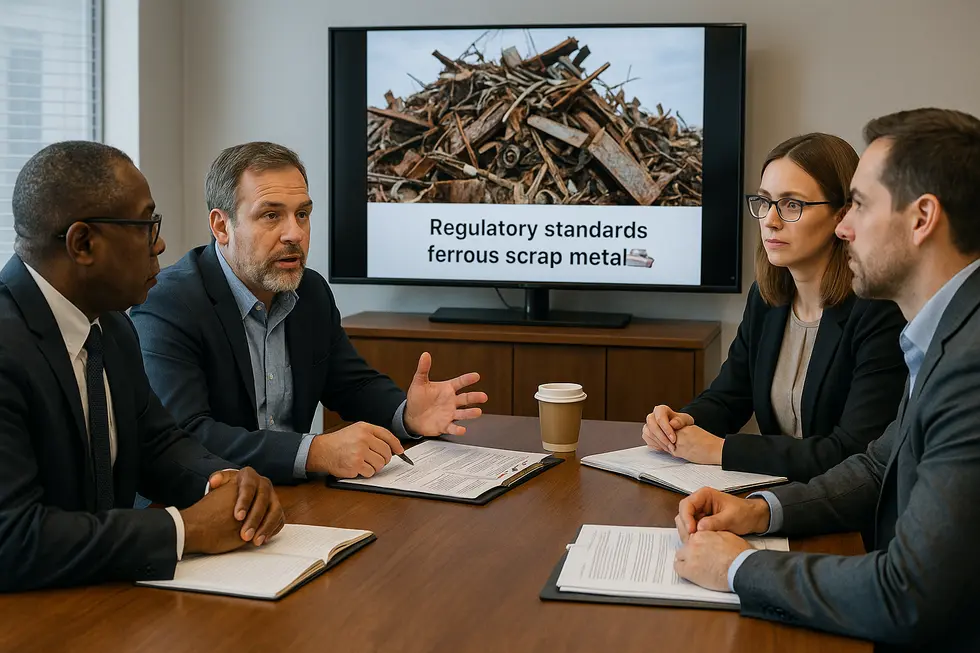
The United States Environmental Protection Agency (EPA) plays a pivotal role in regulating ferrous scrap metal recycling. Under the Resource Conservation and Recovery Act (RCRA), the EPA determines the regulatory status of scrap metal as either hazardous or non-hazardous waste. Ferrous materials, mostly iron and steel, often bypass the strict Subtitle C hazardous waste regulations if they qualify for exclusion under 40 CFR 261.4(a)(13). This exclusion is crucial as it ensures that recycled materials are not treated as hazardous waste, thus facilitating efficient recycling processes. However, when contamination exists, for instance, through lead paint or oils, stricter management practices are enforced. Additionally, state-level modifications can introduce more rigorous requirements, emphasizing the importance of understanding local regulations as well. Companies like Al Zuhour Al Hamra Metal Scrap Tr. LLC (AZSCRAP) demonstrate commitment to these regulations by providing customized, environmentally compliant recycling solutions. More details on the comprehensive environmental practices employed can be found in AZSCRAP’s Environmental Commitment.
2. Harnessing EU Circular Economy Policies for Ferrous Metal Recycling
The European Union’s circular economy policies are revolutionizing ferrous scrap metal recycling. By focusing on significant initiatives like the Circular Economy Act, the EU aims to enhance recycling rates and advocate for robust resource efficiency. This landmark legislation, expected in 2026, aims to embed circularity principles across industries, significantly impacting ferrous metal recovery. New digital waste shipment systems will streamline processes and improve traceability, crucial for ensuring the sustainability of ferrous scrap recycling. Furthermore, tax incentives for decarbonization are set to transform foundries, reducing environmental impacts while maximizing profitability in the recycling sector. For more on sustainable recycling practices, visit Environmental Commitment.
3. The Role of International Trade Surveillance in Ferrous Metal Recycling
International trade surveillance plays a pivotal role in the recycling of ferrous scrap metals by overseeing and regulating their cross-border movement. This vigilance is crucial to maintaining market stability, safeguarding against unauthorized exports, and promoting sustainability.
In Europe, the European Commission’s Steel and Metal Action Plan implements a customs surveillance system addressing scrap metal scarcity and inflated global prices exacerbated by tariffs. This system enhances data collection on scrap flows, benefiting EU industries and supporting eco-friendly initiatives aligned with emission reduction goals.
Meanwhile, in the U.S., proposed export controls, such as tiered tariffs, aim to balance the recyclers’ market access with national security needs. These controls ensure that domestic supplies remain robust while permitting beneficial international trades.
Further reinforcing these efforts, global collaboration helps detect and curb illicit market activities through shared intelligence across borders. This cooperation stabilizes recycling supply chains, ensuring recycled ferrous metals remain integral to steel manufacturing.
These comprehensive measures, by maintaining lawful trade practices, profoundly influence the availability, pricing, and regulatory frameworks in ferrous metal recycling.
For a deeper understanding of eco-conscious practices in scrap management, explore AZSCRAP’s environmental initiatives or inquire further through their contact page.
4. Contrasting Regulatory Landscapes: EU vs. US Approaches to Ferrous Scrap Metal Recycling
The regulatory ecosystems governing ferrous scrap metal recycling in the EU and the US diverge significantly, highlighting distinct priorities and methodologies. The EU’s Steel and Metal Action Plan (SMAP) emphasizes circularity and decarbonization, aligning with environmental goals by incorporating a customs surveillance system and public reporting of scrap flow data. In contrast, US policy is heavily centered on national security and supply considerations, employing export licenses and tiered tariffs. The EU’s focus on sustainability and transparency contrasts the US’s pragmatism and protectionism, showcasing how geopolitical influences shape recycling strategies. Al Zuhour Al Hamra Metal Scrap Tr. LLC, known for its environmental commitment, provides insights into navigating these complex frameworks. Explore their sustainable practices and further opportunities to engage with their services through their contact page.
5. Balancing Trade and Sustainability in Ferrous Scrap Recycling
The socio-economic impacts of regulatory frameworks on the ferrous scrap metal recycling industry are profound. Trade restrictions, like those in the EU, aim to boost local recycling by retaining valuable scrap and supporting circular economies. However, these measures can disrupt global supply chains and affect employment related to scrap logistics. Conversely, green steel standards promote low-carbon practices, increasing demand for eco-friendly recycled steel. To balance these dynamics, comprehensive policies must facilitate local processing while ensuring fair global market access. Regions like the UAE, with initiatives by organizations such as the Dubai Municipality, are adapting by enhancing domestic recycling infrastructure and embracing sustainable practices. For businesses navigating these complexities, Al Zuhour Al Hamra Metal Scrap Tr. LLC (AZSCRAP) provides vital services and insights into environmental commitments, helping them comply with and benefit from evolving regulations. Explore their Environmental Commitment for more insights.
Final thoughts
This exploration reveals the multifaceted influence of ferrous scrap metal recycling services on technological innovation, economic growth, environmental preservation, and regulatory compliance. By understanding these dimensions, stakeholders can effectively adapt to modern challenges and seize opportunities within this vital industry. The evolving landscape ensures that these services remain a cornerstone for sustainable development and resource efficiency.
At Al Zuhour Al Hamra, we are committed to driving innovation and sustainability across the recycling industry. We invite you to contact us for expert advice on integrating the latest recycling technologies and best practices into your operations. Our team offers resources and consultations tailored to your specific recycling needs and sustainability goals. Get a quote for your scrap recycling requirements or request a detailed consultation today. Together, let’s lead the way in recycling innovation, sustainability, and CO₂ reduction.
About us
Al Zuhour Al Hamra Metal Scrap Tr. LLC is a leading recycling company based in the UAE, proudly buying and processing scrap materials from Abu Dhabi, Dubai, and across the UAE and international markets. With expertise in recycling ferrous metals—including steel and iron alloys—Al Zuhour handles over 200,000 metric tonnes of metal scrap annually through its global operations. The company emphasizes the use of advanced machinery and equipment in all recycling processes, ensuring maximum material recovery and efficiency. We are committed to the highest environmental standards, implementing best practices, a strict zero-landfill policy, and advanced recovery systems to ensure maximum material reuse. Al Zuhour integrates Global Reporting Initiative (GRI) standards into its waste reporting process, providing clients with transparent, verifiable data on waste diversion, material recovery, and carbon impact. Through responsible recycling of metal scrap, e-waste, batteries, and IT assets, we help local and international partners achieve their sustainability goals with traceable, eco-conscious solutions. Al Zuhour’s commitment to environmental sustainability and adherence to international quality and safety standards have made it a trusted partner for customers and suppliers interested in buying or selling ferrous scrap metals.
