
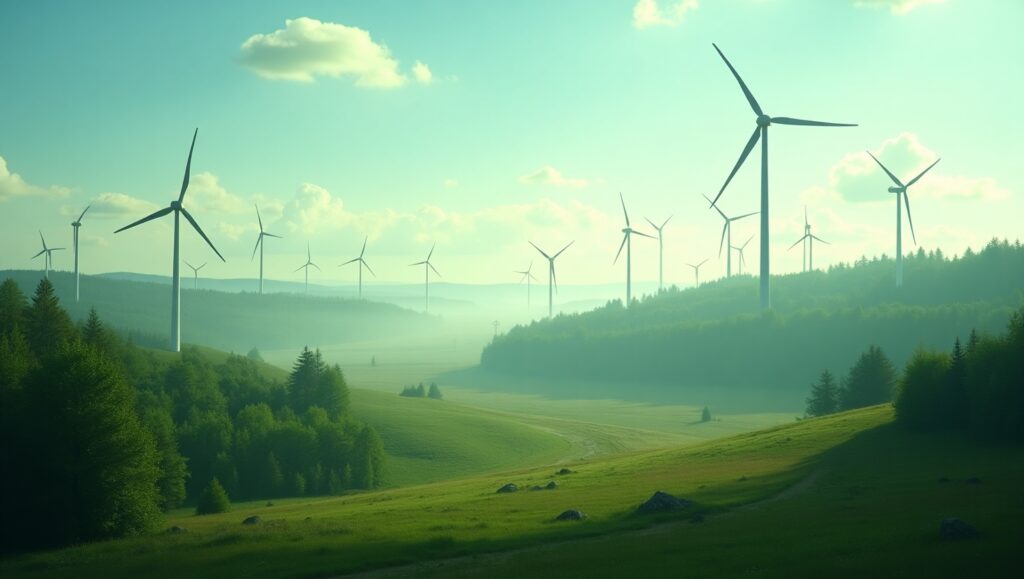
The Path to Sustainable Energy: Lithuania’s Role in the Energy Revolution
Table of Contents
ToggleIntroduction
In an age where climate change poses an existential threat to our planet, the need for sustainable energy solutions cannot be overstated. The term sustainable energy often echoes within the corridors of power, scientific discussions, and educational platforms, representing a collective aspiration to reshape our energy future. The energy revolution we are witnessing is a pivotal component in our broader fight against climate change, aiming to minimize our carbon footprint and develop renewable resources. Amidst this global transformation, countries like Lithuania are paving the way with innovative approaches and policies that not only reflect but often surpass the stringent climate goals set by governing bodies like the European Union.
Background
The energy sector, historically reliant on fossil fuels, stands as a major contributor to climate change, responsible for significant carbon emissions. However, it holds the key to a future of reduced emissions and sustainable growth. Over recent years, the sector has seen a large-scale shift toward renewable resources, a critical change illustrated by Lithuania’s rapid energy transformation.
Lithuania, a small yet ambitious nation, has a unique narrative in the realm of sustainable energy. Once heavily dependent on imported energy, especially from neighboring Russia, Lithuania has strategically aligned itself with the EU’s climate goals, rapidly adapting its policies to prioritize renewable energy sources. The closure of the Ignalina nuclear power plant, a significant step in reducing nuclear dependency, propelled Lithuania to explore alternative energy avenues further source.
Trend
Lithuania’s transformation has been nothing short of remarkable. By 2022, Lithuania had exceeded the EU’s renewable energy consumption average, achieving nearly 30% of its total energy from renewable resources. This trend accelerated, with 2023 data revealing that a staggering 70% of all electricity produced in Lithuania now stems from renewable sources source. This feat highlights Lithuania’s leading role in the energy revolution, showcasing what is possible when robust policies and citizen support coalesce.
Lithuania’s renewable energy strategy primarily involves harnessing wind, solar, and biomass energy. The nation’s geographic location is conducive to wind energy, and its technological advancements have maximized this natural advantage. In contrast, the European Union’s broader renewable energy target was to reach 30% by 2030, which Lithuania surpassed, setting a benchmark for what can be achieved with the right mix of resource availability and policy support.
Insight
Despite its success, Lithuania’s path is not without challenges. One notable issue is the heavy reliance on biomass, which, while renewable, poses environmental concerns if not managed sustainably. Furthermore, transitioning energy systems away from fossil fuels requires not only technological changes but also significant social adaptation. Public engagement is crucial, as sustainable energy policies are most effective and enduring when mirrored by societal support and awareness.
Think of Lithuania’s energy transition as a symphony orchestra. For harmonious results, each musician (or in this case, stakeholder) must play their part. Public awareness campaigns and educational initiatives are essential so that citizens understand the impact of their energy choices and support transitions at the policy level source.
Forecast
Looking ahead, Lithuania is poised to continue its trajectory of renewable energy leadership within Europe, influencing broader EU strategies toward sustainability. As technology develops, the barriers currently faced, like the efficient integration of renewable resources and reducing reliance on biomass, could be surmounted with innovations such as high-efficiency solar panels and advanced energy storage solutions.
The Lithuanian government is likely to invest in next-generation technologies, including offshore wind turbines and improved grid management systems, which will facilitate more stable and efficient energy distribution. These advancements, coupled with policy innovations and cross-border collaborations, could transform the Baltic Sea region into a hub of renewable energy innovation source.
Call to Action (CTA)
To propel the energy revolution forward, individual action is as crucial as governmental policy. Educate yourself about sustainable energy practices and advocate for renewable resources within your community. Small actions, from reducing energy consumption at home to supporting clean energy policies, contribute to a sustainable future.
For those inspired to take immediate steps, numerous resources offer guidance on how to lead a more energy-conscious lifestyle. Engage with initiatives such as community solar projects or lobby for enhanced climate goals within local and national policies. Start your journey with reliable sources like ScienceDaily that provide insights into ongoing research and advancements in the field.
By acting collectively and purposefully, each of us can contribute to a more sustainable world, echoing Lithuania’s innovative spirit in the energy revolution. Together, we can ensure that sustainable energy becomes not just an ideal but a reality for future generations.
