
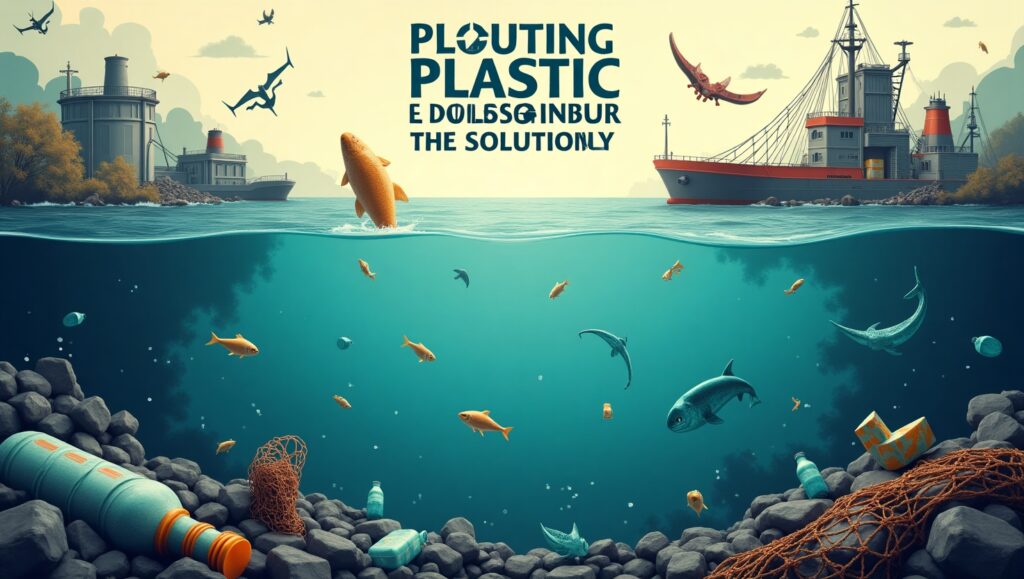
Plastic Recycling Challenges: Understanding the Hurdles in Waste Management
Table of Contents
ToggleIntroduction
Plastic waste is unquestionably one of the most pressing environmental challenges of our time. With its extensive use in packaging and everyday products, the globe is witnessing a surge in waste accumulation, leading to detrimental effects on ecosystems and wildlife. As such, addressing plastic recycling challenges is paramount to creating a sustainable future. The urgency spans beyond environmental preservation; it encompasses the quest for effective recycling solutions, fundamental to mitigating the environmental impact of improperly disposed plastic.
Background
In the European Union, the situation is particularly alarming. Based on recent data, each EU citizen generated an average of 36 kg of plastic packaging waste in 2021, with over 16 million tonnes produced overall. However, merely 6.5 million tonnes were recycled, displaying stark inefficiencies in the current system [^1]. This illustrates a crucial gap between production and waste management, causing severe ecological degradation and the formation of hazardous microplastics [^2].
Understanding and addressing these plastic recycling challenges is vital. Not only does it align with global sustainability goals, but it also enhances methodologies in waste management. Effective interventions can prevent the catastrophic environmental consequences and help harness the untapped potential of recycled plastics.
Trend
Analyzing recent trends reveals an upward trajectory in plastic waste generation. Concurrently, recycling rates have stalled, with the recycling rate not meeting the EU’s ambitious targets of 50% by 2025[^1]. Adding to this environmental quandary is the proliferation of microplastics—a phenomenon profoundly affecting marine life and human health[^2].
Despite these challenges, there are emerging recycling solutions that present hope. Innovations such as chemical recycling and improved sorting technologies are being developed to break down plastic more efficiently and reduce waste. Pioneering techniques, like the use of enzymes to degrade plastic waste, underscore the potential change that science and technology can bring to this industry.
Insight
The plastic recycling landscape is fraught with multi-layered challenges. Regulatory hurdles stand tall as one of the primary impediments. Outdated policies and lack of standardization in recycling regulations lead to inconsistent practices across regions[^3]. Moreover, public attitudes play a significant role in recycling efficacy. Despite the urgency, a culture of indifference persists among consumers regarding proper recycling habits—a social challenge requiring significant attention to improve overall system efficiency[^4].
Technological advancements, however, present a silver lining. Adopting sophisticated digital sorting mechanisms and artificial intelligence in waste management processes can significantly enhance quality and efficiency. By improving the purity of recycled materials, these advancements can help match or exceed the quality of virgin plastics, encouraging wider market acceptance.
Forecast
Looking to the future, several promising developments can reshape plastic recycling. Strategies like implementing comprehensive policy frameworks are crucial to achieve the EU recycling targets, raising the recycling goal to 55% by 2030. Incorporating incentives for companies and individuals to prioritize recycling would stimulate significant change[^3].
Technological innovation holds the key to revolutionizing plastic waste management. Through continued investments and research in cutting-edge recycling techniques, it is conceivable we will see a dramatic improvement in recycling rates and quality by the next decade.
Call to Action (CTA)
Addressing plastic recycling challenges necessitates a collective effort from every individual and organization. By adopting sustainable lifestyle practices, reducing our plastic consumption, and actively engaging in recycling programs, we can all contribute to a positive environmental narrative. Explore more about innovative recycling solutions and educate yourself on how pivotal your actions are in reducing the environmental impact of plastic waste.
Explore further in our related articles to uncover more about the plastic recycling challenges and how you can contribute to a sunnier, sustainable future.
[^1]: \”In 2021, each person in the European Union (EU) generated an average of 36 kg of plastic packaging waste,\” source.
[^2]: \”Of the more than 16 million tonnes of plastic packaging generated that year, only 6.5 million tonnes were recycled,\” source.
[^3]: The EU’s target of recycling 55% of plastics by 2030, \”The article discusses the challenges faced in plastic recycling,\” source.
[^4]: \”Public attitudes affecting recycling efficiency,\” source.
