
Table of Contents
ToggleHow to Sell Stainless Steel to a Reliable UAE Buyer
Selling stainless steel scrap or used stainless products in the UAE requires a clear understanding of material identification, grading, preparation, and compliance with UAE regulations. Whether you are an individual or a business looking to optimize your return, knowing how to engage a trustworthy stainless steel buyer is vital. Al Zuhour Al Hamra buys and recycles stainless steel scrap in the UAE, offering professional services that support efficient transactions aligned with legal and environmental standards.
This article provides an evidence-based guide to navigating the sale of stainless steel to a reliable stainless steel buyer in the UAE, explaining key considerations such as grade identification, condition, UAE regulations, and the selling process.
—
Identifying Stainless Steel and Its Grades
Stainless steel is an iron-based alloy with a minimum of 10.5% chromium by mass, which creates a corrosion-resistant oxide surface. Its value and recyclability depend significantly on its grade, composition, and subsequent handling. Common stainless steel grades traded by buyers in the UAE include:
– 304: Featuring approximately 17.5–19.5% chromium and 8–10.5% nickel, it is the most widely used austenitic grade.
– 316: Contains about 16–18% chromium, 10–14% nickel, and 2–3% molybdenum, providing better corrosion resistance in chloride environments.
– 430: A ferritic stainless steel with 16–18% chromium but little or no nickel.
– 410 and 420: Martensitic grades with higher carbon content and magnetic properties.
Each grade has different commercial and recycling values, affecting how a stainless steel buyer evaluates and prices the material. Understanding the specific grade often requires physical inspection, documentation verification, and sometimes alloy analysis beyond simple tests like magnets, which only provide a preliminary indication of magnetism and not a precise grade classification source.
—
Understanding the Impact of Condition, Cleanliness, Quantity, and Grade on the Offer
Several factors influence the stainless steel scrap value offered by buyers:
– Grade Confirmation: Accurate grade identification determines pricing, with 316 usually commanding a premium over 304 and ferritic grades like 430.
– Condition and Cleanliness: Stainless steel free from coatings, oils, plastics, rubber, food residues, and other metals fetches better prices. Contaminants lower the net stainless content and increase processing costs.
– Quantity: Larger volumes are generally more attractive to buyers due to economies of scale in collection and processing.
– Form: Intact equipment, sinks, tanks, sheets, bars, or tubes may be worth more for reuse, resale, or fabrication rather than scrap melting.
Scrap buyers differentiate between materials offered as reusable products versus scrap metal to maximize value. For example, a well-maintained stainless steel tank can be sold intact or dismantled for parts recovery, which can yield higher returns compared to crushing and recycling it as scrap source.
—
Deciding on Reuse, Resale, Dismantling or Selling as Scrap
Before contacting a stainless steel buyer, consider whether your material might have value beyond scrap:
– Reuse or Resale: Complete items like sinks, handrails, food-processing tables, or machinery may attract buyers seeking ready-to-use equipment.
– Parts Recovery: Separating motors, valves, fasteners, or electronic components may add value.
– Fabrication Offcuts: Clean sheets or extrusion bars can be particularly valuable if sorted by size and grade.
– Scrap Sale: Damaged, contaminated, or obsolete stainless steel is usually sold on a scrap basis, often sorted by grade.
Choosing the right approach requires inspection and sometimes consultation with the buyer. Al Zuhour Al Hamra can assist in evaluating whether your stainless steel is suitable for reuse or better sold as scrap, ensuring the best financial outcome.
—
Process of Collection, Weighing, Transportation and Documenting Your Stainless Steel
Once you decide to proceed with a stainless steel buyer, the following logistics apply:
1. Collection and Inspection: The buyer or their agent typically inspects the material on site. They assess quantity, grade identification (sometimes using X-ray fluorescence), and overall condition.
2. Weighing: A calibrated scale or weighbridge ticket is essential for an accurate transaction. Gross weight may be adjusted for tare or contamination.
3. Transportation: Licensed carriers transport material according to federal and emirate-specific regulations. Covered vehicles and secure loading are required to prevent spillage.
4. Documentation: Receipts, collection records, weighbridge tickets, and if required, destruction or recycling certificates are issued. Businesses must provide trade licence details, waste classification, and documentation evidencing ownership.
It is important to understand who is responsible for each step, including removal of non-metal attachments and hazardous materials. Certified weighbridges and safe transport methods matter legally and financially source.
—
Understanding Preliminary Quotation vs Final Price after Inspection
When approaching a stainless steel buyer, you may receive a preliminary quotation based on:
– Photographs of material
– Seller’s self-reported grade and weight
– General condition and reported cleanliness
However, this price is often subject to change after physical inspection, weighing, and laboratory verification of alloy composition where applicable. The final price may reflect:
– Adjustments for moisture or contamination
– Verified grade confirmation via alloy analysis
– Deductions for attached non-stainless metals or hazardous residues
– Market fluctuations in alloy prices, including nickel and molybdenum
Sellers should clarify whether quotes are firm or indicative, understand the basis for final pricing, and expect a formal transaction record before payment source.
—
UAE Federal Regulations and Requirements for Stainless Steel Scrap Sales
Disposing or selling stainless steel scrap within the UAE involves compliance with several regulations designed to protect health and the environment:
– Federal Law No. 12 of 2018 on Integrated Waste Management mandates proper management of industrial waste, including segregation, storage, reuse, recycling, and disposal, with penalties for unlawful disposal source.
– In Dubai, businesses engaged in scrap and metal waste trading must obtain permits, maintain records, and use approved transport mechanisms under Dubai Municipality’s Technical Guidelines No. 3 source.
– Abu Dhabi requires licensed companies handling metal waste to register vehicles, use GPS tracking, operate weighbridges with calibration certificates, and comply with safety measures for covered transport source.
– Movement of stainless steel scrap across emirates often requires specific permits, manifest tracking, and approval to confirm the nature and quantity of transported waste source.
Individual sellers should confirm local procedures and may use licensed collector services to ensure compliance.
—
Maximizing Profit and Efficiency When Selling Stainless Steel in the UAE
To maximize return and efficiency:
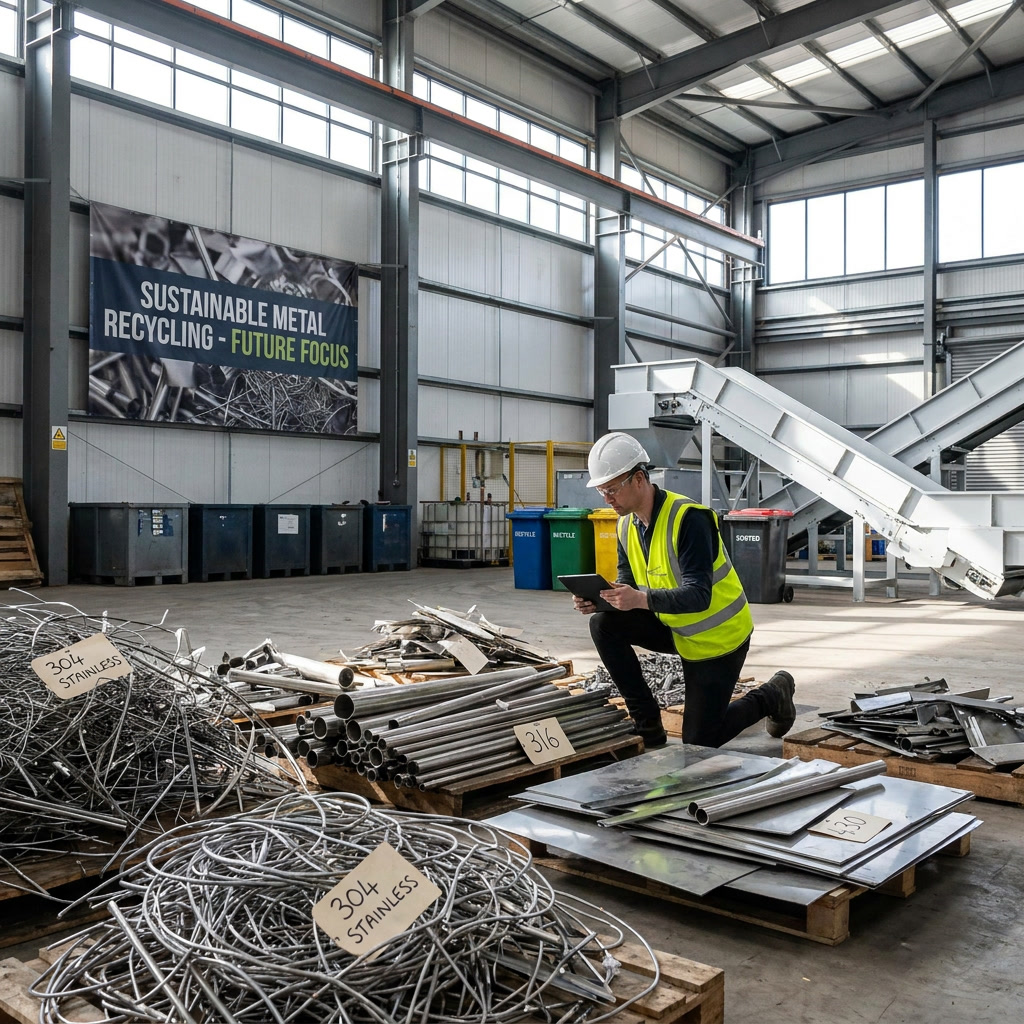
– Accurately Identify and Separate Grades: Keep 316, 304, ferritic, martensitic, and mixed stainless steel sorted and clearly labeled.
– Prioritize Cleanliness: Remove attachments such as rubber, plastics, wiring, and oil residues without compromising safety.
– Prepare Documentation: For businesses, have trade licences, mill or purchase certificates, and waste classification documents ready.
– Use Licensed Sellers and Transporters: Ensure all parties hold current approvals to avoid legal or logistic issues.
– Get Multiple Quotes: Preliminary prices can vary; confirm final offers after onsite inspection.
– Consider Reuse Options: Selling intact products or usable parts may yield more than scrap value.
– Document the Transaction: Obtain weighbridge tickets, receipts, and certificates confirming collection and recycling.
These steps help avoid common pitfalls such as price disputes, rejected loads, or regulatory non-compliance.
—
How Al Zuhour Al Hamra Can Help
Al Zuhour Al Hamra is a reliable stainless steel buyer in the UAE, specializing in the purchase and recycling of stainless steel scrap with a transparent and compliant process. Their team assists sellers and businesses by:
– Providing clear guidance on material identification and grade separation.
– Offering efficient collection services with proper weighing and documentation.
– Advising on reuse versus scrap sales to optimize financial returns.
– Ensuring compliance with all relevant UAE federal and emirate-specific waste regulations.
– Issuing formal receipts, weighbridge tickets, and recycling certificates as required.
Whether you are an individual or company, working with Al Zuhour Al Hamra simplifies the stainless steel selling process. For more details on services like industrial scrap collection or metal scrap recycling, visit Al Zuhour Al Hamra’s services page and the environmental commitment section.
—
Conclusion
Selling stainless steel in the UAE effectively requires understanding the material’s grade and condition, recognizing the importance of preparation, and navigating regulatory requirements. Engaging a reputable stainless steel buyer knowledgeable about local regulations and market conditions will ensure fair pricing, legal compliance, and environmental responsibility.
To start your stainless steel selling process or request a quotation from a trusted buyer, Contact Al Zuhour Al Hamra and benefit from professional, transparent recycling services tailored to UAE businesses and individuals.
—
This article references regulations and technical standards from UAE government publications and international stainless-steel industry sources.
UAE Federal Waste Management Law
Dubai Scrap and Metal Waste Trading Guidelines
Abu Dhabi Non-Hazardous Waste Management
Stainless Steel Grade Datasheets
