
Introduction
In recent years, the global metal scrap export market has undergone significant changes driven by shifts in demand, technological advancements, and policy reforms. This article delves deep into the dynamics shaping this industry, with a particular focus on the world’s largest exporters, including the United States, the European Union, and the UAE’s bustling hub in Dubai. By examining platform innovations, market trends, and policy impacts, we aim to provide a holistic view of the current state and future prospects of metal scrap exports. Each chapter offers detailed insights into key aspects such as supply chain logistics and the driving forces behind market shifts, equipping stakeholders with the knowledge to navigate the evolving landscape efficiently.
Chapter 1: Global Leaders and Trends in Exporters of Metal Scrap
1. Revolutionizing Recycling: Technological Innovations in Metal Scrap Exportation
In the dynamic landscape of metal scrap exportation, technological advancements are setting new benchmarks. X-ray Transmission (XRT), Dynamic Laser-Induced Breakdown Spectroscopy (LIBS), and Deep Learning Algorithms are leading the charge. These tools refine sorting and recycling processes, enhancing the efficiency and purity of recovered materials—crucial for aluminum and steel. Notably, in aluminum recycling, advanced sorting technologies are instrumental in extracting high-quality alloys. Startups, too, are innovating in steel recycling, exemplified by modular solutions tackling complex wastes that enhance circularity. As these technologies evolve, they promise significant contributions to sustainability and operational efficiency in global metal scrap markets.
2. The Economic Reverberations of Global Leaders in Metal Scrap Exports
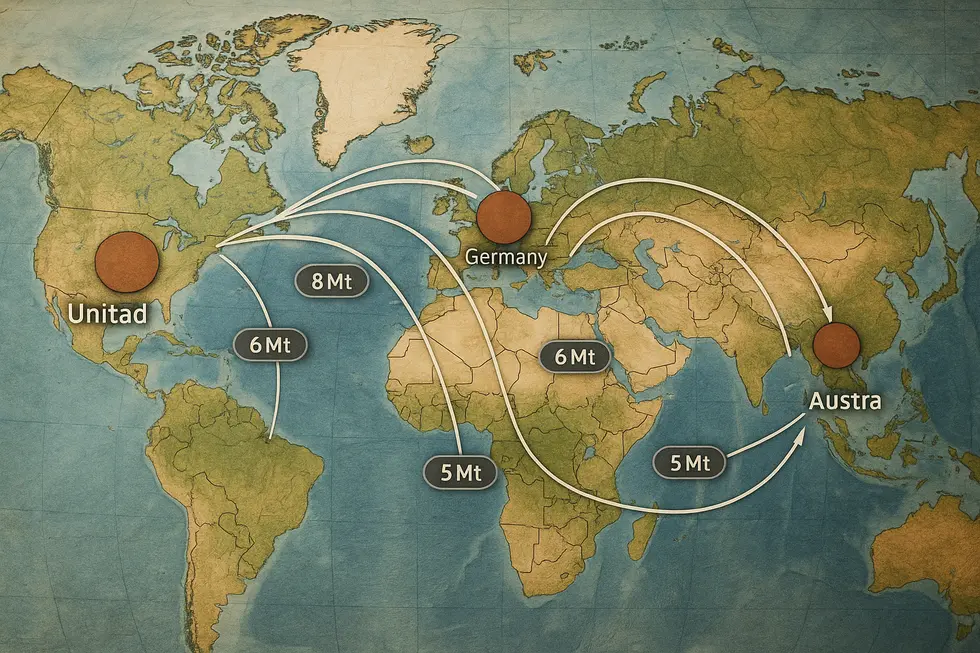
The dynamic global metal scrap market, heavily influenced by economic and environmental factors, showcases the dominance of the United States. In 2025, U.S. ferrous scrap exports surged by 26%, underscoring America’s pivotal role in shaping global supply chains. Export restrictions have intensified over the decade, prompted by ecological concerns and the push for a circular economy, significantly impacting global supply and pricing (source).
3. Geopolitical Forces Shaping Metal Scrap Export Dynamics
Geopolitical influences are reshaping the metal scrap export landscape, combining strategic concerns, trade policies, and environmental regulations. The G7 Summit in 2025 highlighted tensions but also forged new strategies for critical minerals. Export restrictions on industrial raw materials, including metal scrap, have increased due to environmental concerns and circular economy initiatives. Meanwhile, tariffs and trade policies lead to price fluctuations and stockpiling behaviors across global markets. Learn more about the evolving dynamics in the OECD inventory.
4. Societal Impacts of Metal Scrap Exporters on Global Leadership Dynamics
The societal contributions of leading metal scrap exporters, like the United States and the European Union, extend beyond mere economic transactions. By driving sustainable practices and fostering international partnerships, these exporters influence global policy and innovation. Social entrepreneurship aims to empower change, encouraging equitable solutions across borders, demonstrated by recycling initiatives such as aluminum recycling innovations. This approach aligns with global public investment strategies and sustainable practices (Club de Madrid).
5. Eco-Conscious Governance: Environmental Regulations Transforming Metal Scrap Export Dynamics
Environmental regulations are redefining global metal scrap export dynamics by enforcing stricter controls and sustainability mandates that restructure trade routes and industry strategies. The uptick in export restrictions on industrial raw materials, including metal scrap, is a testimony to rising environmental concerns and the push towards a circular economy. As highlighted in the OECD report, impacts are evident through controls on non-ferrous metals and rare earth elements. Leading exporters like Australia are adapting, emphasizing sustainable practices such as green hydrogen use and digital monitoring, showcasing a vital evolution towards eco-conscious competitiveness.
Chapter 2: Platform Innovations Empowering Metal Scrap Exporters

1. Revolutionizing Supplier Interaction: Digital Tools in Metal Scrap Export
In modern metal scrap export, digital procurement platforms are reshaping supply chains by centralizing interactions between buyers and suppliers. Metalshub exemplifies this by enhancing raw material sourcing efficiency with tools for real-time supply chain monitoring. AI and IoT technologies enable precise logistics and inventory management, unlocking new efficiencies in procurement. The future holds potential for even greater transparency and security, fueled by AI and blockchain advancements. Explore more on Metalshub’s impact.
2. Seamless Logistics and Compliance: The Backbone of Metal Scrap Export Platforms
Export platforms are transforming logistics and compliance management for metal scrap exporters. Route optimization and inventory visibility are crucial, enhanced through IoT and AI. Compliance mandates comprehensive document management and environmental audits, aiming to navigate dynamic EU regulations. Platform features like real-time tracking, regulatory updates, and risk analytics ensure efficiency and legal adherence. These innovations facilitate smoother, more responsible trade flows, crucial for successful global operations.
3. Integrating Global Marketplaces: Transforming Metal Scrap Export Efficiency
The integration of global marketplaces presents revolutionary advancements for exporters of metal scrap, enhancing trade efficiency and profitability. Platforms like the World Metal Exchange (WME) provide secure, real-time B2B transactions that support pricing data, shipment tracking, and compliance management. Through advanced analytics, exporters gain insights into regional demands and market trends, optimizing supply chains for better profitability and sustainability. This approach not only meets compliance standards but also strengthens international trade operations. For more insights on recycling innovations, visit Zorba aluminum scrap supply recycling.
4. Navigating Regulatory and Policy Frameworks for Metal Scrap Exporters
The regulatory journey for metal scrap exporters is intricate yet crucial. At its core is the EU Regulation 1013/2006, mandating comprehensive documentation for exports to ensure environmental compliance. However, impending limitations threaten exporters, focusing on keeping raw materials within local economies. In parallel, the EU’s Critical Raw Materials Act of 2024 aims to boost circular economy strategies, indirectly aiding scrap exporters through streamlined processes and innovation incentives. These frameworks are essential for navigating global trade dynamics, presenting both hurdles and opportunities for seamless exportation. Source
5. Eco-Friendly Advancements in Platform Technology for Metal Scrap Exporters
Platforms fostering metal scrap exports drive environmental benefits by optimizing resource cycles and minimizing ecological impact. They save energy and reduce emissions, for instance, recycling aluminum curtails 95% of energy usage compared to ore extraction, lowering greenhouse gases. Efficient scrap management prevents landfill overflow and upholds the circular economy. Compliance tools ensure adherence to international standards, enhancing the sector’s ecological footprint. Discover more in Circular Economy UAE Waste Management.
Chapter 3: Market Dynamics Influencing Exporters of Metal Scrap
1. Navigating Trade Policies and Tariffs for Metal Scrap Exporters
Trade policies and tariffs are reshaping metal scrap market dynamics significantly. In 2025, the US increased steel and aluminum import tariffs to 50% under Section 232. This protectionist move impacts downstream industries with increased costs. Importantly, US exporters also face potential export taxes, complicating international trade flows. Meanwhile, Canadian exporters benefit from USMCA exemptions, maintaining their supply to US markets. Each policy shift stimulates strategic adaptations like investment in domestic production and refining capacities. Source
2. Balancing Quantities and Finances: Export Volumes Versus Revenues in Metal Scrap
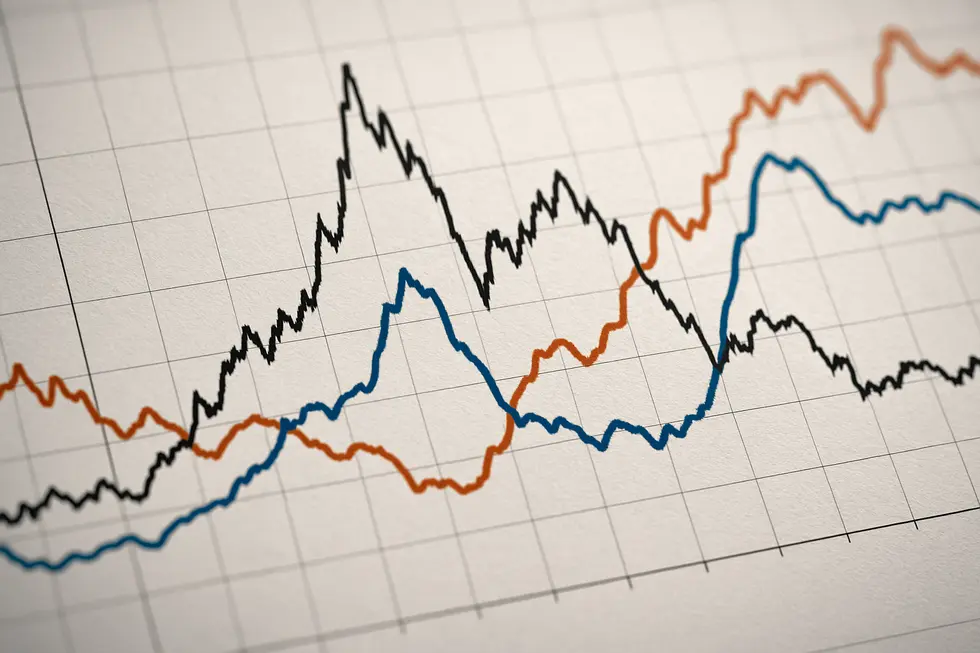
The landscape of metal scrap exports reveals a nuanced dance between volume and revenue. While Germany saw a 9.6% rise in ferrous scrap exports in early 2025, its revenue slightly decreased by 0.2% due to market volatility. This underscores the complex dynamics at play where increased exports do not always equate to higher revenues, primarily due to fluctuating global demand and pricing instability. These structural shifts, particularly in the EU and UK, highlight the need for efficient pricing mechanisms as competition for premium scrap intensifies. Emerging markets with growing electric arc furnace capacities are increasingly influential, emphasizing the critical nature of accurate price discovery for robust market functioning. For a deeper dive into these economically and environmentally significant trends, see steel scrap price indices 2025 guide.
3. Domestic Demands and Tech Innovations Transforming Scrap Markets in 2025
The evolving metal scrap market in 2025 is shaped by surging domestic demand and technology shifts. The renewable energy boom elevates copper demand for EVs and solar projects, while infrastructure renewal stimulates steel and copper circulation. Coupled with tech advances in recycling equipment, which bolster efficiency and reduce costs, the sector anticipates stable to rising prices despite global uncertainties. This synergy ultimately drives sustainable practices and market stability. For more insights on aluminum recycling innovations visit Aluminum Recycling Innovations.
4. Navigating Regulatory Hurdles and Compliance Costs in Metal Scrap Exports
The metal scrap market is entangled in regulatory complexity and significant compliance costs. Exporters face challenges with evolving environmental regulations, such as the EU’s CPR and LEEDv4, necessitating detailed Environmental Product Declarations. Additionally, international agreements like the Basel Convention impose strenuous export controls, demanding thorough documentation and administrative overhead. The volatile nature of global scrap prices further complicates long-term contracts, necessitating sophisticated financial planning and agile inventory management strategies supported by real-time data systems. Adapting to these conditions reshapes trade dynamics, compelling exporters to invest in technologies like those offered by platforms that ensure precision in scrap metal operations.
5. Geopolitical Forces Reshaping Metal Scrap Export Markets
The intricate web of geopolitical trade dynamics fundamentally shapes the metal scrap export market. Fragmented multilateralism and bilateral deals spotlight how shifting alliances impact trade flows. For instance, the Russia-China metals trade realignment reflects adaptation to Western sanctions, redirecting trade flows and creating regional price disparities. National security concerns fuel resource nationalism as countries prioritize raw material security, steering strategic diversification efforts among scrap exporters who balance regional dependencies with global market demands. Public-private partnerships emerge as viable solutions, supporting supply chain stability despite geopolitical shifts. For an in-depth analysis of these trends, explore Russia’s metal export surge to China.
Chapter 4: Policy Impacts on Exporters of Metal Scrap

1. Technological Innovations and Infrastructure Dynamics Shaping Export Policies
The intersection of technology and infrastructure profoundly influences policy impacts on metal scrap exporters. Increased demand for high-quality scrap forces advancements in recycling processes like Electric Arc Furnace technology, aligning with sustainability mandates. Enhanced logistics infrastructure supports cross-border coordination and mitigates policy-driven disruptions in exports. As nations reconsider tariffs, exporters invest in emerging markets and modernization efforts, underscoring the need for adaptive strategies in this evolving landscape.
2. Navigating Economic Ripple Effects in Metal Scrap Export Policies
The economic implications of export policies in the metal scrap sector reverberate widely, altering supply chains and pricing structures. Tariffs and export fees, such as Uzbekistan’s 100% copper scrap tariff, can result in drastic supply chain disruptions, raising domestic costs and impacting international competitiveness. This volatility stresses local recycling industries yet encourages circular economy goals by retaining resources domestically. Nevertheless, policy strategies must balance potential trade tensions with sustainable practices. For further insights, explore the OECD report on export restrictions.
3. Geopolitical Dynamics Shaping Global Metal Scrap Trade Policies
The implementation of export restrictions, tariffs, and strategic resource controls on metal scrap exportation are dramatically reshaping global supply chains. Policies that restrict exports of materials like copper and rare earths are driven by environmental motives and a strategic push towards domestic industry support. However, these maneuvers often exacerbate geopolitical tensions, as nations competitive for critical minerals face rising costs and altered trade balances, straining diplomatic relationships and heating trade disputes, especially evident in the U.S.-China arena.
4. Intertwining Societal and Environmental Factors in Metal Scrap Export Policies
The policies impacting metal scrap exporters are heavily influenced by societal and environmental considerations that shape global trade dynamics. Societally, trade tensions can lead to economic shifts as seen in the U.S. tariffs on aluminum imports, prompting European calls for export restrictions to protect jobs and stabilize the recycling economy. Environmentally, the reduction of carbon emissions through recycling and local processing is paramount, with technologies like green hydrogen and EU’s Carbon Border Adjustment Mechanism incentivizing cleaner production and compliance. These intertwined factors necessitate a balanced approach in policymaking, ensuring sustainability aligns with economic viability. Explore more insights on aluminum recycling innovations. For detailed developments on U.S.-EU aluminum scrap tensions, see the MiningFeeds article.
5. The Regulatory Maze: Navigating EU Export Restrictions for Metal Scrap
The EU’s regulatory landscape for metal scrap exports is complex and evolving, profoundly impacting exporters. EU Regulation 1013/2006 mandates key requirements like notification forms and recovery proofs, effective until 2026. Proposed shifts could restrict exports, impacting exporters in Germany and Poland. Upcoming 2027 rules intensify controls on non-hazardous exports. Industry challenges extend internationally, as seen in Southeast Asia’s import constraints. These frameworks demand strategic adaptation by exporters to remain compliant and competitive. For detailed regulatory texts, visit EU Waste Shipments.
Chapter 5: Supply Chain and Logistics for Exporters of Metal Scrap
1. Port Dynamics: Navigating the Key to Optimal Metal Scrap Exportation
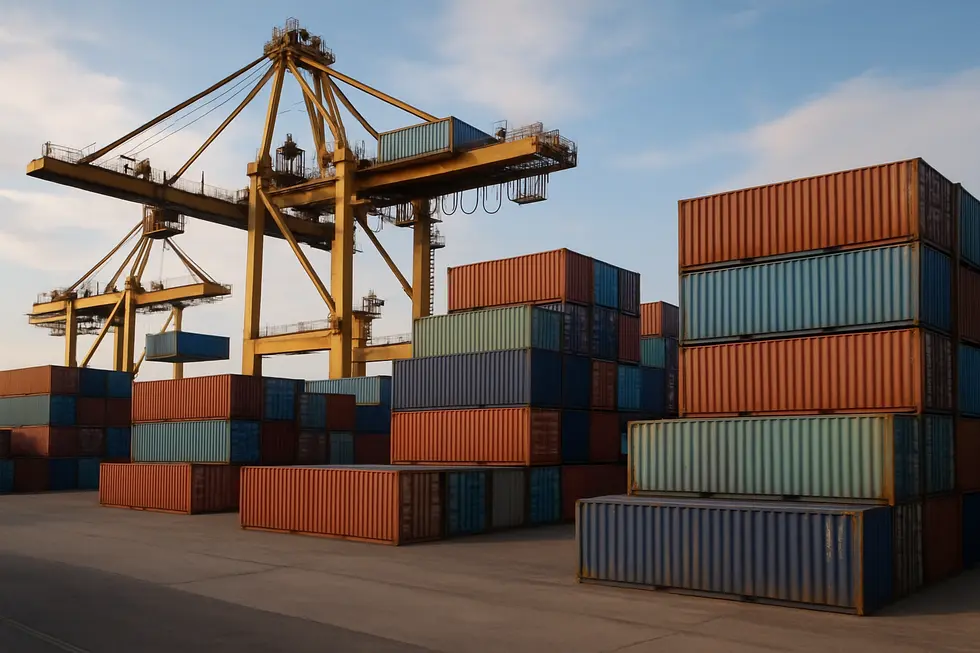
For exporters of metal scrap, choosing the right port is pivotal in optimizing the supply chain. Ports like Long Beach, California, and Los Angeles offer state-of-the-art infrastructure and connectivity to major markets. These ports, equipped with advanced terminal automation, reduce turnaround times, enhancing logistics efficiency. Strategic port selection also considers geographical advantages, like proximity to production centers, and the regulatory environment affecting trade routes. Exporters should prioritize ports with robust infrastructure and multimodal transport options, ensuring competitive advantages in the global market. Explore aluminum recycling innovations for insight into sustainable practices shaping this industry.
2. Navigating Volatile Trade Dynamics: Challenges in Metal Scrap Exportation
The global trade dynamics shaping the supply chain and logistics for metal scrap exporters in 2025 revolve around multifaceted factors. The shift in regional supplies, notably from Southeast Asia, combined with complex tariff policies, like potential U.S. copper tariffs, significantly impact the trade landscape. Infrastructure challenges in Africa further complicate logistics. Meanwhile, industry trends favor recycling, driving secondary metal production globally. Strategic diversification across emerging regions and investments in local processing infrastructure can offer competitive advantages in this intricate market environment. To understand tariffs’ impacts more deeply, visit discoveryalert.com.au/news/trumps-copper-tariff-2025-impact-global-markets-prices.
3. Navigating Regulatory Compliance in Metal Scrap Export Logistics
Exporting metal scrap requires meticulous attention to regulatory compliance. Detailed documentation, including notification forms and recovery proof, ensures legal adherence and mitigates shipment delays. Compliance with EU regulations like 1013/2006 and new challenges from import frameworks in Southeast Asia are pivotal. Implementing best practices such as thorough inspections and staying updated with regulations are crucial for exporters aiming to succeed in the dynamic global market. Learn more about certified waste reporting.
4. Building Reliable Supplier Networks and Ensuring Quality in Metal Scrap Export
For exporters of metal scrap, establishing resilient supplier networks and ensuring consistent quality are critical. Global diversification reduces dependence on any single region; for example, Chinese firms have expanded to Southeast Asia and beyond. However, this can lead to market dominance issues, emphasizing supplier diversity. Rigorous quality assurance, supported by clear communication and supplier development programs, ensures standards align with international demand. Utilizing export databases like Volza aids in strategic sourcing. Optimizing these networks with predictive analytics tools enhances logistics and mitigates disruptions. Fastmarkets – Southeast Asia’s non-ferrous scrap hub role tested
5. Innovative Logistics Strategies for Metal Scrap Exporters: Bridging Transport Modes
Logistics for metal scrap exporters necessitates a strategic blend of multiple transport modes. Capitalizing on efficient multitier frameworks, exporters balance between sea, air, rail, and road options to minimize cost while optimizing delivery times. This delicate coordination ensures inventory levels meet demand, reliant on real-time tracking systems and strong partnerships across the supply chain landscape. Maintaining regulatory compliance further plays a key component in facilitating seamless operations source.
Final thoughts
The global metal scrap export industry is a dynamic and complex network influenced by various economic, technological, and policy-driven factors. This article has highlighted the key players in the market, explored the role of digital platforms in facilitating trade, examined market dynamics, and assessed the impact of policies on exporters. Understanding these elements is crucial for stakeholders to make informed decisions and capitalize on opportunities in this evolving sector.
About us
Al Zuhour Al Hamra Metal Scrap Tr. LLC is a premier recycling company headquartered in the UAE, proudly buying and processing scrap materials from Abu Dhabi, Dubai, Sharjah, Ajman, Ras Al Khaimah, Umm Al Quwain, Fujairah, and international markets. As a leading exporter of metal scrap across all Emirates, we supply a wide variety of metal forms—including pre-made wires and sheets—to meet diverse industrial requirements.
Our commitment to the highest environmental standards is reflected in our strict zero-landfill policy, advanced recovery systems, and adoption of best environmental practices to maximize material reuse. We also integrate Global Reporting Initiative (GRI) standards into our transparent waste reporting process, providing clients with verifiable data on waste diversion, material recovery, and carbon impact.
Al Zuhour Al Hamra’s recycled metals are recognized for their high purity levels, ensuring top-quality results and significant cost savings. With flexible order sizes and a range of shipping options, we accommodate the unique needs of every customer. Choose Al Zuhour Scrap for reliable, sustainable, and cost-effective recycling solutions that reduce waste and deliver value across the UAE and beyond.
