
Introduction
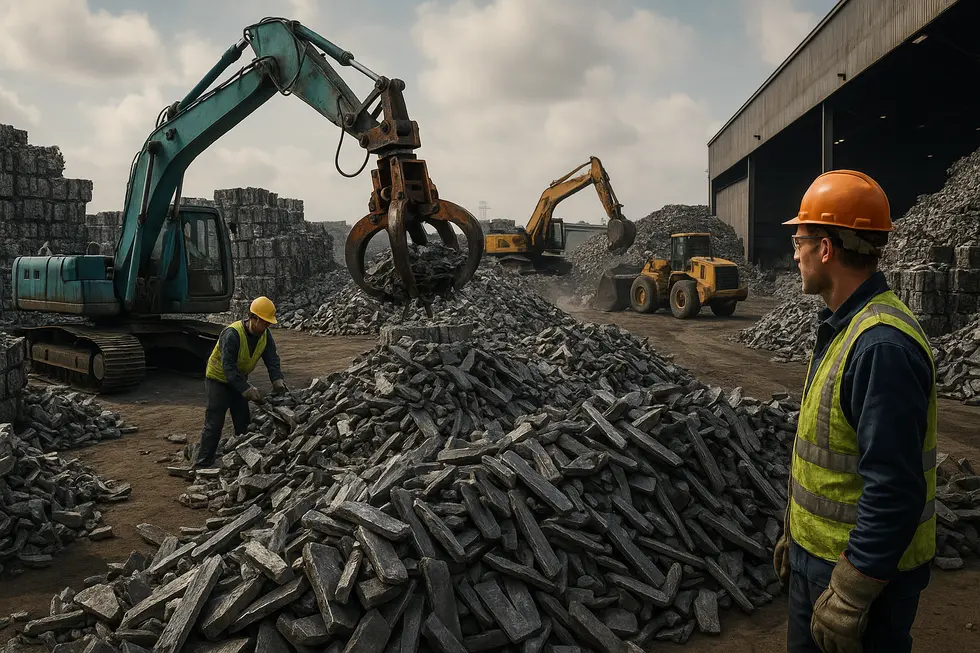
The lead scrap market is a vital component of the global recycling industry, driven by the supply and demand for lead waste and lead ingots. Globally influential, this market involves a diverse range of buyers and sellers, from specialized firms to individual collectors, each playing a unique role in the recycling ecosystem. This article delves into the global dynamics of lead scrap trading, pricing economics, and the technological platforms that facilitate these transactions. It also examines the geopolitical factors that influence market shifts and the broader societal impacts of lead recycling. By understanding these interconnected elements, a comprehensive view of the lead scrap market emerges, highlighting its significance in sustainable development.
Chapter 1: Global Dynamics of Lead Scrap Buyers and Sellers

1. Tech-Driven Innovations Shaping the Global Lead Scrap Market
Technological advances are profoundly transforming the global dynamics of lead scrap buyers and sellers. Cutting-edge innovations, such as AI-driven sorting systems, are optimizing material quality and efficiency. Companies have developed solutions that enhance metal purity, crucial in lead recycling. Additionally, advanced recycling equipment and digital infrastructure boost supply chain transparency. While these technologies improve efficiency, they also maneuver through complex supply conditions, influencing buyer strategies. These advances strengthen the market by enhancing lead recovery and traceability.
2. Economic Forces Shaping the Global Lead Scrap Trade
Economic factors intricately weave the fabric of the global lead scrap market, influencing everything from pricing to trade behavior. At the forefront is the battery sector, with lead-acid batteries driving robust demand due to their recyclability and broad applicability. Secondary production grows steadily, meeting over 85% of needs through recycled sources. Alongside, environmental regulations enforce stringent compliance, enhancing costs but fostering advanced recycling technologies. Price fluctuations reflect the delicate dance of energy costs, currency shifts, and speculative trading. Additionally, global trade policies cast a long shadow over material flows—tariffs and infrastructure investments notably directing lead’s journey across continents. Collectively, these factors dictate the dynamic landscape where buyers and sellers maneuver to achieve competitive trade advantages. Future Market Insights – Global Lead Market
3. Geopolitical Forces Reshaping Lead Scrap Market Dynamics
The global lead scrap market is acutely sensitive to geopolitical shifts, with US-China trade tensions and tariff escalations significantly disrupting supply chains. These conflicts induce price volatility and force market realignments, inadvertently benefitting some countries while pressuring neutral states to align strategically. As an example, China, with its enhanced smelting capacity, capitalizes on diverted supplies, thus reshaping traditional supply landscapes. Learn more about global metal scrap export dynamics.
The implications for stakeholders in lead scrap trading are profound, requiring adaptation to these intricate geopolitical debates to navigate risks effectively.
4. Socioeconomic and Environmental Impacts in the Global Lead Scrap Market
The global lead scrap market intricately weaves economic opportunity with potential environmental risk, influencing communities worldwide. Economically, this market is a powerhouse, backing jobs from collection to smelting. Yet, price volatility driven by energy costs and global policies, notably from China, swings the pendulum on economic stability. Environmentally, lead processing hazards necessitate stringent controls, impacting regions variably. The informal sector often bears health risks, counterbalancing employment benefits. A balanced view is essential, underscoring regulation for sustainable operation. For further insights, explore global metal scrap export dynamics.
5. Regulatory Impacts on International Lead Scrap Trade
Environmental regulations profoundly influence the global dynamics of lead scrap markets, more so in recent years with heightened enforcement of compliance across key economies. Nations like China, confronting emissions standards, push smaller entities out of primary production, thus catalyzing secondary lead markets. The ripple effect reaches sustainable recycling technologies, as regulations promote advanced recovery processes. Moreover, battery handling complexities, driven by safety guidelines, necessitate tailored operational practices, enhancing overall industry resilience.
Chapter 2: The Economics of Pricing in Lead Scrap Transactions
1. The Interconnected Dynamics of Primary and Secondary Lead Pricing
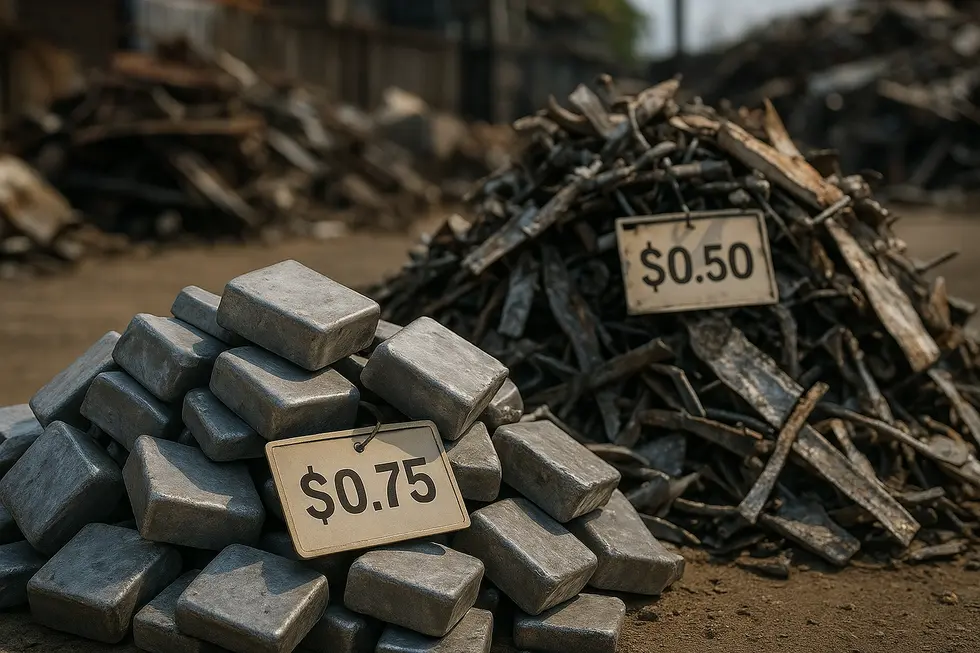
The relationship between primary and secondary lead prices hinges on distinct production costs and market conditions. Primary lead originates from mining, offering stable output due to high fixed but low variable costs. In contrast, secondary lead, predominantly recycled from batteries, relies on scrap availability, showing agile price responsiveness. Typically trading at a discount, secondary lead’s price fluctuates based on market tightness, sometimes aligning closely with primary lead due to scarcity-driven demand. This complex interplay pinpoints how localized supply factors impact global pricing strategies and stability.
2. Navigating Supply Tightness and Price Continuity in Lead Scrap Economics
Supply constraints in the lead scrap market, particularly concerning recycled battery availability, are pivotal in price formation. Despite reduced raw material inputs and environmental regulations that limit smaller recyclers, price stability is astonishingly maintained through balancing mechanisms. Factors like seasonal changes, market self-corrections, and narrowing discounts between primary and secondary lead help manage supply-related price fluctuations effectively. These dynamics ensure the market remains resilient against disruption, enabling consistent transactions necessary for the global recycling industry.
3. Navigating Regional Discrepancies and Quality Challenges in Lead Scrap Pricing
Pricing in the lead scrap market embodies complexities shaped by regional variations and quality metrics. In China, for example, eastern facilities pay higher for waste lead-acid batteries compared to central regions. This disparity arises from local production capacities and supply-demand balances, leading to ex-factory price differences. Concurrently, scrap purity significantly affects pricing, with impurities reducing lead’s market value due to added refining costs Metal News Content.
4. How Regulations Influence Lead Scrap Pricing Dynamics
The economics of lead scrap pricing are significantly shaped by regulatory frameworks. Stricter environmental standards can elevate operational costs for scrap yards, impacting the prices offered for lead scrap. These costs typically trickle down to the pricing structure, affecting both buyers and sellers. Such regulations necessitate a deep understanding for market participants, a topic further explored here. The relationship between primary and secondary lead, driven by regulation-induced price changes, plays a pivotal role in the market landscape.
5. Riding the Waves of Seasonal Demand: A Delicate Pricing Dance
Seasonal demand patterns significantly impact lead scrap pricing. As battery manufacturers predictably peak production around August, the surge propels price increases due to heightened demand. Inventory antics add complexity, with unreported stocks potentially shifting to official warehouses, leading to abrupt price adjustments. This interim volatility and psychological market strategies make understanding these trends crucial. These patterns are detailed further in discoveryalert.com.au’s analysis dated July 4th, 2025.
Chapter 3: Technological Platforms Transforming the Lead Scrap Industry

1. Harnessing CRM and Operational Synergy in Lead Scrap Trading Platforms
In the lead scrap trading world, integrating Customer Relationship Management (CRM) with operational systems creates a symbiotic environment for efficient operations. Centralized customer data enhances access to profiles and transaction histories, automating processes and ensuring precise record-keeping. This system increases operational visibility and automates entries, reducing errors from manual logs. Behavioral analytics track buyer interactions, enabling personalized offers, and fraud detection maintains regulatory compliance. Additionally, inventory synchronization in platforms like ERPNext connects inventory with sales operations, automating stock updates and ensuring timely order fulfillment, enhancing the lead scrap trading experience. Learn more about sustainable technology in recycling and its applications.
2. Harnessing Business Intelligence for Efficient Lead Scrap Inventories
Business Intelligence (BI) software elevates inventory management in lead scrap trade by providing meticulous real-time tracking and seamless integration with financial systems. Platforms such as Mysteel Software exemplify comprehensive inventory audits, profound costing accuracy, and automation, crucial for enhanced decision-making and profitability. By integrating AI-driven insights for predictive maintenance and proactive supply chain optimization, companies adapt to market flux. Explore AI-driven models for further advantages, efficiently bridging inventory control and strategic growth in volatile markets.
3. AI-Driven Sorting Innovations in Lead Scrap Trading Platforms
Advanced sorting technologies powered by AI are transforming the lead scrap trade by enhancing material purity and operational efficiency. Technologies like X-ray transmission and laser-induced breakdown spectroscopy revolutionize this industry by ensuring high-purity outputs and accurate alloy-specific recovery. These innovations drastically lower contamination risks and operational costs. The adoption of AI-driven systems across facilities is expected to become standard, bringing significant benefits in transparency and sustainability. For an in-depth look, visit Waste Management World.
4. Integrating Data Systems and Ensuring Compliance in Lead Scrap Commerce
Integrating diverse data systems while ensuring compliance in lead scrap trade is essential to maintain operational efficiency and regulatory adherence. Platforms leverage complex inventory management and ERP systems, such as those used by Lang Recycling, to organize hundreds of material grades effectively. Industry-specific software ensures real-time inventory visibility, reducing costs, while AI-powered compliance tools like Trademo TradeScreen mitigate money laundering risks by consolidating and analyzing global trade documentation.
5. Leveraging Technology for Transparent and Efficient Lead Scrap Markets
In the lead scrap industry, transparency and efficiency are paramount. By implementing standardized price indices, stakeholders can enjoy reliable benchmark prices through standardized quality parameters and normalized weighting metrics. Real-time data integration, as seen in cloud-based solutions like WeighPay, offers synchronized pricing decisions by linking various operational tools for enhanced decision-making (WeighPay Scrap Metal Industry Software). This advanced software integrates Point-of-Sale systems with logistics management, creating streamlined workflows, reducing errors, and elevating transparency.
Chapter 4: Geopolitical Factors Affecting the Lead Scrap Market

1. Tariffs and Trade Policies: Navigating the Global Lead Scrap Market Landscape
In the lead scrap market, trade policies and tariffs wield powerful influence, shifting supply chains, adjusting pricing, and molding demand. Critical to note is the market’s heavy reliance on recycling, with over 85% of refined lead sourced from secondary production routes. Tariffs, like the recent U.S. impositions on imports from Japan and South Korea, can raise global supply concerns and price volatility due to altered trade patterns and regional imbalances source. Exploring adaptive strategies amid these shifts is crucial for market stakeholders.
2. The Ascendancy of Key Lead Producing Nations in Global Scrap Markets
China and India dominate the lead scrap market, leveraging extensive recycling infrastructures and industrial demand. These nations’ geopolitical influence alters trade dynamics, with policy changes reshaping supply chains. Geopolitical stability is crucial, as over 85% of refined lead relies on secondary production. Regulatory standards in North America and Europe, focusing on environmentally friendly processes, encourage compliance, influencing competitive positions globally. Learn more on global dynamics here.
3. The Impact of Regional Economic Policies and Infrastructure on Lead Scrap Dynamics
The lead scrap market is intricately impacted by regional economic policies, notably in Asia Pacific where expansions in lead capacities address industrial demands. Environmental regulations in North America and Europe push modernization in recycling. Infrastructure, from transport corridors to energy storage systems, alters logistics and demand flows. Geopolitical factors like trade policies further contour these dynamics, ensuring the market’s complexity evolves globally Future Market Insights.
4. The Role of Environmental Regulations in the Lead Scrap Market
Environmental regulations profoundly shape the lead scrap market. The introduction of the Extended Producer Responsibility (EPR) frameworks, like India’s recent amendment, exemplifies the increase in operational complexity while promoting sustainability. Stringent compliance and recycling incentives impact global trade flows, with measures like export bans creating supply chain uncertainties. As manufacturers strive to reduce waste generation and comply with regulations, availability and pricing of lead scrap are significantly affected. For more insight into certified waste reporting for corporations, visit this article.
5. Geopolitical Tensions: Turbulent Waves in Lead Scrap Market Volatility
Geopolitical tensions introduce volatility to the lead scrap market, disrupting supply chains and altering trade dynamics. Tariffs and trade barriers trigger cost increases and unpredictability, mirroring issues seen in other metal markets like aluminum. Supply chain disruptions from conflicts halt flow, but investor caution can steepen market responses. Regional production variations—such as regulatory changes in North America and production shifts in Asia—turn pricing into a geopolitical chess game. For broader market insight, Fastmarkets offers monthly updates.
Chapter 5: Societal Implications of Lead Scrap Trading
1. Navigating Health and Environmental Hazards in Lead Scrap Markets
Health and environmental risks in the lead scrap market are significant challenges; workers and surrounding communities face substantial threats. Lead exposure causes severe health issues like neurological impairment, particularly in children. Chronic health problems arise not just from direct contact with lead materials but also through contaminated soil and dust. Moreover, toxic emissions from processing facilities pollute air and water, impacting ecosystems and accumulating in the food chain. Even economic benefits must be weighed against these societal costs, requiring regulatory interventions and community-level actions. For additional details, visit Pure Earth’s pollution blog.
2. The Economic Impact and Social Significance of Lead Scrap Trading
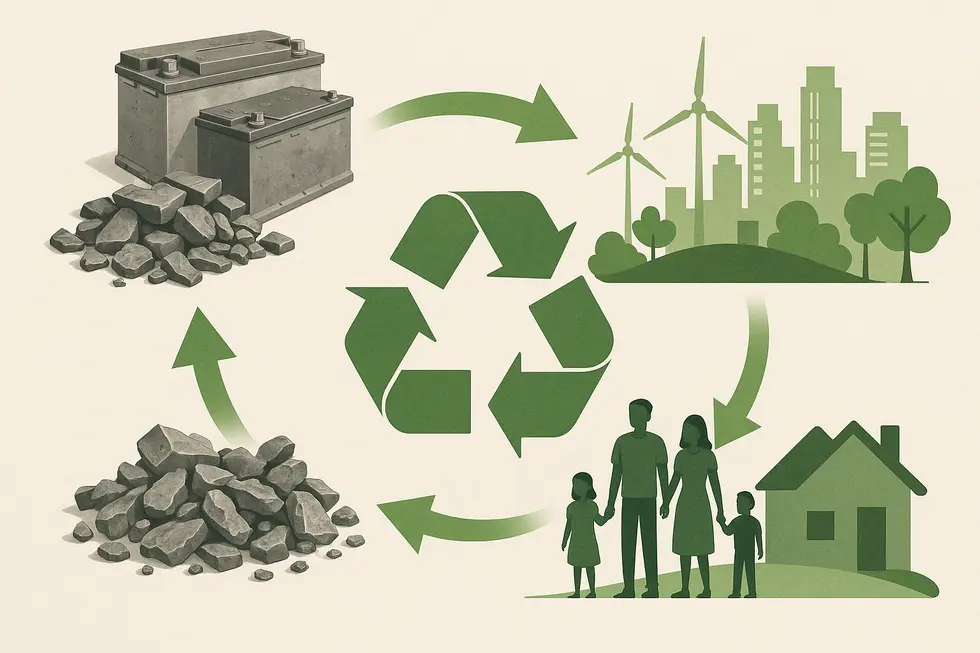
Amidst substantial market momentum, the economic dimensions of lead scrap trading reveal profound societal impacts. With the global lead market projected to reach USD 45.2 billion by 2035, the trade’s contribution to industrial sustainability is noteworthy. Over 85% of refined lead comes from recycling, emphasizing its role in reducing environmental footprints and enhancing resource efficiency. Moreover, as environmental compliance costs rise, socioeconomic benefits materialize through improved safety standards and employment opportunities. However, price volatility affects downstream sectors, linking economic fluctuations closely with societal outcomes in renewable energy and automotive industries. Learn more about circular economy benefits.
3. Navigating Regulatory Complexities in the Lead Scrap Trade
Lead scrap trading is fraught with regulatory challenges stemming from environmental and health risks, compliance intricacies, and international trade barriers. Environmental hazards arise from improper lead handling, leading to stringent governmental restrictions. For instance, India’s importation protocols demand registration and capacity limits (Professional Utilities Guide). Furthermore, divergent international standards complicate trade, affecting regulatory compliance and enforcement worldwide. Tackling these hurdles requires harmonizing regulations, ensuring transparency, and balancing economic goals with safety. Read more about circular economy principles in waste management.
4. Health and Wealth: The Uneven Toll of Lead Scrap Markets
Lead scrap trading, while economically vital, casts a shadow on health and income disparities. Informal sectors in low-income areas often mishandle lead without safety measures, contributing to severe health issues such as neurological damage and respiratory problems. The economic landscape skews benefits toward large firms, leaving informal workers with inadequate wages and no protections, exacerbating income inequalities. Coordinated policies and circular economy strategies are essential to addressing these disparities for healthier outcomes and sustenance. Further context on sustainable practices is discussed in the circular economy UAE waste management article.
5. Harnessing Sustainable Practices: Transforming Societal Impact in Lead Scrap Trading
Innovations in technology and policy reforms have the potential to profoundly enhance the societal benefits of lead scrap trading. By adopting improved recycling practices and investing in worker safety and community engagement initiatives, the industry can mitigate its environmental impact while economically empowering communities. Emphasizing sustainable practices can reduce CO2 emissions significantly and support local economies. Encouraging technological advancements ensures that the recycling sector remains an environmentally conscious part of the global economy. More insights on sustainable recycling technology.
Final thoughts
The lead scrap market is a fundamental aspect of global recycling efforts, providing economic opportunities and environmental benefits. By understanding the market’s dynamics, pricing factors, and technological advances, stakeholders can better navigate this complex industry. Addressing geopolitical impacts and societal implications further enriches our grasp of its global significance, paving the way for more sustainable recycling practices.
At Al Zuhour Al Hamra, we are committed to driving innovation and sustainability across the recycling industry. We invite you to contact us for expert advice on integrating the latest recycling technologies and best practices into your operations. Our team offers resources and consultations tailored to your specific recycling needs and sustainability goals.
– Get a quote for your scrap recycling requirements
– Request a detailed consultation on emerging industry practices that can enhance your recycling outcomes
As we work towards a more sustainable future, let Al Zuhour Al Hamra be your trusted partner in achieving excellence in recycling and environmental responsibility. For further exploration, check out related articles and insights on the groundbreaking developments reshaping our industry here.
Together, let’s lead the way in recycling innovation, sustainability, and CO₂ reduction.
About us
Lead, recognized as one of the oldest metals, is renowned for its exceptional durability and corrosion resistance, making it an ideal choice for applications such as roofing and as a chemical-resistant lining for electric cables.
At Al Zuhour Al Hamra Metal Scrap Tr. LLC, we handle over large amount of lead annually, offering a wide range of lead products for purchase and sale—including drained lead battery ‘rains’, lead battery plates & terminals ‘rail’, lead cable stripping ‘radio’, as well as refined and remelted ingots. As a leading recycling company based in the UAE, Al Zuhour proudly buys and processes scrap materials from Abu Dhabi, Dubai, and throughout the UAE and international markets. We are committed to the highest environmental standards, implementing best practices, a strict zero-landfill policy, and advanced recovery systems to ensure maximum material reuse. Our processes are aligned with the Global Reporting Initiative (GRI) standards, providing clients with transparent, verifiable data on waste diversion, material recovery, and carbon
