

Introduction
Understanding the intricacies of brass scrap trading can significantly enhance your profitability. This guide offers professional strategies focused on identifying, sourcing, processing, and selling brass scrap effectively. Each chapter digs into a specific aspect—from identification and sourcing to sales timing and risk management—equipping you with the insights needed to capitalize on market opportunities. As the value chain for brass is extensive and complex, mastering these steps ensures sustained success and optimal returns.
Chapter 1: The Integral Role of Brass in Recycling Profitability
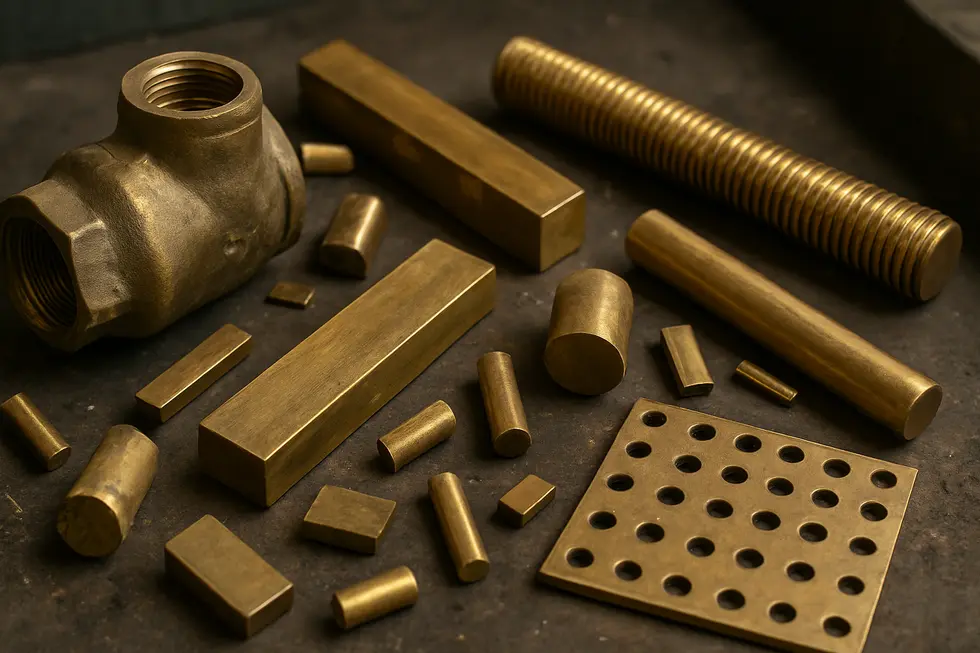
1. Connecting Economic Gains and Eco-Advantages in Brass Identification
Mastering brass identification is more than just a financial maneuver; it’s a commitment to ecological stewardship. Recognizing the nuances between yellow and red brass can drastically influence revenue, as red brass fetches higher prices due to its superior copper content. Simultaneously, effective brass sorting promotes sustainability by minimizing landfill waste and cutting energy usage, as recycling efforts demand significantly less energy than raw metal extraction—proving beneficial for both economy and environment Source.
2. Alloy Insights: The Key to Effective Brass Identification
In the intricate realm of brass scrap trading, understanding alloy compositions is indispensable. Brass, primarily a blend of copper and zinc, can include other elements like lead, tin, or iron, influencing its properties and market value. Identifying the precise alloy mix can elevate trading strategies, optimizing profits by strategically aligning buyers’ needs with the distinct characteristics of each brass type. Trading experts who can discern and leverage these nuances are better positioned to navigate market fluctuations effectively.
3. Precision Tools and Techniques in Identifying High-Value Brass Scraps
Understanding brass scrap’s true value goes beyond mere visuals. The blend of traditional methods with advanced tools is critical for precise identification. While visual inspections offer initial clues, such as color changes, modern handheld XRF analyzers provide accurate and rapid alloy composition on-site. Moreover, eddy current devices and PMI testing kits fine-tune assessments, ensuring all materials meet the exact specifications of industry standards. This strategic identification not only optimizes sorting but also boosts profitability by ensuring high-value alloys are accurately categorized for resale in global markets.
4. Navigating Brass Grading Systems to Enhance Profitability
In mastering brass identification for maximum financial returns, understanding grading systems is crucial. The ISRI codes form the backbone of consistent and transparent brass trading, distinguishing grades like Zebra and Honey. Advanced composition analysis, aided by tools like handheld XRF analyzers, ensures precise classification. Proper identification not only maximizes the value extracted from the scrap but also aligns with industry practices, offering strategic advantages in a competitive market.
5. Navigating Economic Waves: Brass Pricing and Market Forces
Understanding brass scrap market dynamics involves more than simply watching price trends; it’s about deciphering the myriad of forces that impact these prices. The global demand for commodities like copper, which forms the core of brass, swings with economic policies and tariffs, while industries like construction or automotive drive demand due to brass’s desirable traits. Technologies like X-ray fluorescence (XRF) analysis ensure precise identification and grading, fundamentally influencing pricing. To truly maximize returns, scrap dealers must leverage these advanced tools alongside real-time pricing data—balancing timing and technology during each transaction. As the world tilts towards sustainable practices, brass recycling’s relevance and profitability are poised to expand further.
Chapter 2: Optimizing Brass Scrap Transactions: Strategic Market Insights
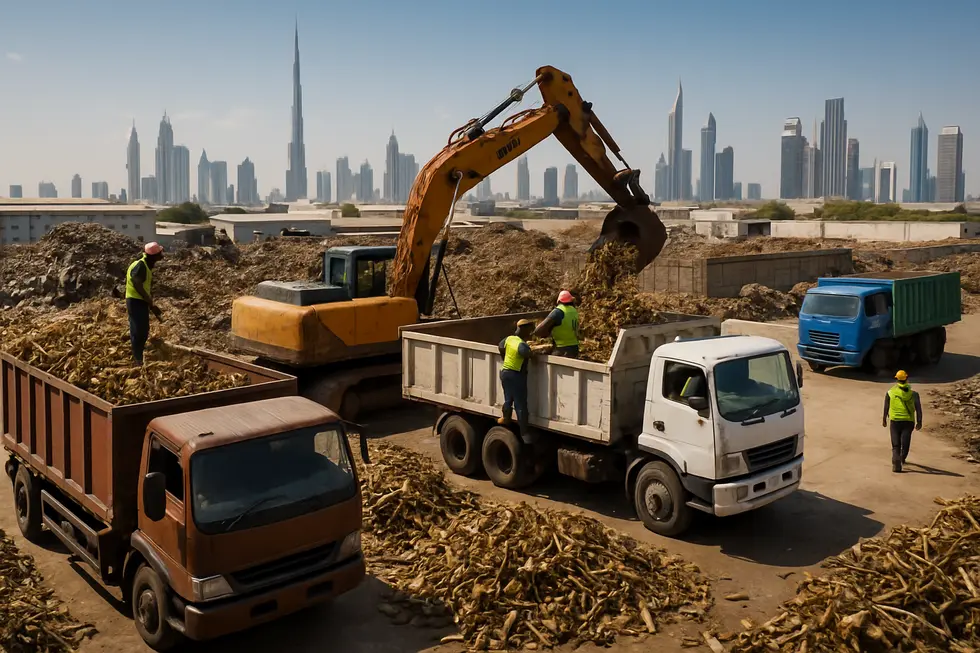
1. Navigating Market Dynamics in Brass Scrap Procurement
In the intricate world of brass scrap procurement, understanding market dynamics is critical for maintaining competitive advantage. As an alloy of copper and zinc, brass offers diverse applications, from decorative hardware to plumbing components. Effective sourcing relies on knowing distinct market categories, such as Zebra and Honey grades, and responding to pricing shifts impacted by LME models. Large-scale recyclers increasingly depend on LME benchmarks to better align with international market demands, while smaller entities face challenges due to limited capital resources. Implementing real-time commodity hedging and geographically diversified supply networks can buffer against such volatility, ensuring a consistent and resilient procurement strategy.
2. Establishing a Robust Brass Scrap Supplier Network for Strategic Gains
Crafting a robust supplier network for brass scrap is essential in mitigating market volatility and ensuring supply chain stability. Diversification across geographic regions reduces reliance on a single source, while digital tools enhance communication and efficiency. The use of platforms like e-sourcing and real-time analytics streamlines operations and ensures adherence to quality standards. This multifaceted approach fortifies supply chains against disruptions, maximizing both sustainability and profitability in the brass scrap market.
3. Harnessing Cutting-Edge Technologies in Brass Scrap Processing for Strategic Sourcing
Technological breakthroughs are reshaping brass scrap processing, becoming an integral part of strategic sourcing. Sensor-based systems offer exceptional alloy purity, while AI-driven identification capabilities enhance grade classification, crucial for adhering to specifications. X-Ray Transmission (XRT) and Laser-Induced Breakdown Spectroscopy (LIBS) innovations provide high-precision sorting, drastically reducing contaminants. Digital platforms enable blockchain traceability, ensuring compliance and transparency. These advancements reduce procurement risks significantly, facilitating a more stable, efficient supply chain in an evolving market landscape. Explore more on innovative recycling technologies.
4. Innovative Risk Mitigation Techniques in Brass Scrap Sourcing
In the intricate world of brass scrap sourcing, the key to success lies in applying robust risk mitigation frameworks. By understanding price volatility, experts can anticipate shifts in copper and brass prices, especially amidst tariff uncertainties or when transitioning from COMEX to LME. Additionally, the integration of ISO 31000 principles helps in systematically identifying and treating risks within the metal recycling industry, aligning with COSO ERM to balance procurement risks and strategic objectives, ensuring maximum returns from brass transactions. Explore global metal scrap export strategies for further insights.
5. Green Brass Sourcing: The Environmental Benefits of Sustainable Procurement
Integrating environmental concerns into brass scrap sourcing involves understanding its recyclability and energy-efficient recycling methods. Brass recycling uses significantly less energy, reducing greenhouse gas emissions by nearly 90% compared to new production. The strategic sourcing framework ensures sustainability, evaluating suppliers based on carbon footprints and waste management efforts. Emphasizing energy savings and waste reduction, it aligns with global environmental goals and mitigates land degradation associated with primary metal extraction.
Chapter 3: Enhancing Returns: Unraveling Complexities in Brass Scrap Processing
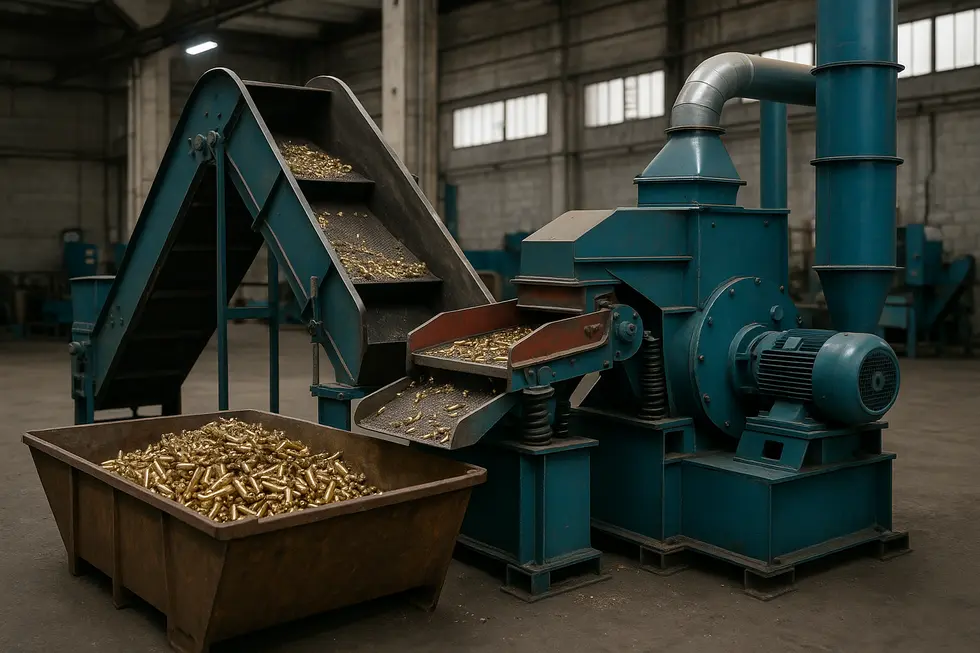
1. Navigating the Intricacies of Brass Scrap Composition for Maximum Value
Understanding the intricate composition of brass scrap is crucial for maximizing its value in recycling. With variations in zinc content and other alloy elements like lead, nickel, and aluminum, each piece of scrap presents unique challenges. Advanced preprocessing methods like shredding, cleaning, and degreasing are essential to prepare the scrap. Techniques such as eddy current separation help in effectively recovering valuable non-ferrous materials, ensuring the high purity needed for market demands and environmental sustainability.
2. Embracing Technological Innovations in Brass Scrap Processing
Technological advancements are revolutionizing brass scrap processing, dramatically enhancing economic and environmental returns. Emerging methods like hydrometallurgy and electrolytic refining increase the precision of separating brass from contaminants. The adoption of ultrasound-assisted techniques ensures clean, high-quality metal recovery, allowing the production of premium-grade alloys. Additionally, additive manufacturing leverages recycled brass, pushing boundaries in 3D printing applications. These innovations not only improve resource efficiency but also significantly reduce the industry’s carbon footprint, thus opening new market opportunities. For more insights on sustainable metal recovery practices, visit innovative gold recovery sustainable practices.
3. Unlocking Economic Potential through Innovative Brass Scrap Transformation
Brass scrap processing is at the forefront of economic value addition through technological innovations. Advanced sorting systems, such as TOMRA’s XRT and AI technology, revolutionize brass scrap by upgrading low-grade materials into high-purity alloys. Brass’s infinite recyclability, without diminishing properties, intensifies its demand in various sectors. Regional market analysis predicts the U.S. scrap metal market will reach $18.47 billion by 2035, largely due to these advancements. Energy-efficient recycling not only saves costs but also aligns with environmental mandates, boosting the circular economy. Explore more about these transformative technologies.
4. Eco-Efficiencies: The Environmental Revolution in Brass Scrap Processing
In the context of advancing brass scrap processing, significant environmental breakthroughs have emerged. By employing hydrometallurgical systems over traditional high-temperature refining, energy use is dramatically reduced, cutting emissions by up to 85%. Simultaneously, innovative mechanical sorting technologies ensure precise material segregation, lowering harmful discharges. These processes are not just environmental imperatives but economically beneficial, enhancing the brass industry’s value chain sustainably. Learn more about the environmental benefits at AZ Scrap’s Environment Section.
5. Brass Scrap Processing: Transforming Future Landscapes
The future of brass scrap processing is brightened by revolutionary technologies and evolving economic landscapes. AI-driven sorting and eddy current separators significantly elevate the precision and efficiency of recycling processes. These technological advancements reduce energy requirements and carbon emissions, establishing brass recycling as a linchpin of the circular economy. As global markets become more interconnected, strategic partnerships will harness these innovations further, identifying opportunities for sustained growth in the industry. Such developments signify a transformative shift in harnessing brass scrap as a resource, championing sustainability, and generating economic value simultaneously.
Chapter 4: Harnessing Market Dynamics: Strategic Sales Timing in Brass Scrap Trading

1. Deciphering Brass Scrap Market Fluctuations for Strategic Sales
The brass scrap market is a dynamic landscape where astute traders can significantly enhance profitability by mastering its intricacies. Seasonality plays a pivotal role, with optimal sales typically aligning with construction booms or post-tariff stabilization. Understanding regional price variations is crucial, such as the divergence between Minnesota’s high-value yellow brass and Texas’s lower prices. Strategic inventory segregation, like isolating Zebra grade brass, can offer lucrative premiums. These insights are vital as sellers navigate the complexities of metals marketplaces, ensuring every transaction maximizes potential returns amidst fluctuating global conditions.
2. Navigating the Brass Scrap Market: Influences on Sales Timing and Strategy Formulation
Current dynamics in the brass scrap market, characterized by fluctuating copper prices and shifting tariff policies, demand astute strategic adjustments for optimizing sales timing. With a national median of $5,622 per metric ton, prices are nuanced by regional disparities driven by local demand variances. Notably, the volatility in copper pricing—largely attributable to market reactions to tariff announcements—affects brass scrap valuations directly due to its composition. Thus, sellers need to keenly monitor copper price trends and geopolitical developments to time sales advantageously while diversifying sales channels globally to buffer regional demand shifts. Moreover, understanding these market mechanisms and strategically managing inventory ensures sellers maximize returns amidst an unpredictable market landscape.
3. Decoding Pricing Influences in the Brass Scrap Market
Pricing in the brass scrap market is deeply intertwined with global geopolitical and economic shifts. Brass, an alloy of copper and zinc, sees its value fluctuate with supply-demand imbalances driven by geopolitical unrest or booming green projects demanding more metal resources. Copper, a significant brass component, sees its price significantly affect overall scrap values. Seasonal market patterns also present opportunities; for instance, construction booms in warmer months often inflate prices. Efficiently channeling quality from contamination allows sellers to command higher prices, emphasizing the importance of strategic market monitoring. For related content and insights, visit scrap metal products market.
4. Timing Your Brass Sales: Navigating Market Oscillations for Profit
The art of selling brass scrap hinges on timing your moves in an ever-evolving market mosaic. Prices flicker with the rhythm of global demand, fueled by construction cycles and geopolitical winds, while inventory strategies at foundries dictate supply lines. This unpredictable dance requires sellers to synchronize their sales to these beats, optimizing profits while avoiding the trap of panic selling. Understanding these dynamics fosters astute market strategies, seamlessly aligned with global industrial flows. Keeping calculative vigilance on copper tariffs impacting brass and adjusting swiftly can provide substantial returns.
5. Crafted Timing: Strategic Selling in Dynamic Brass Scrap Markets
In the intricate dance of brass scrap trading, understanding the ebb and flow of market dynamics is crucial. Strategic timing harnesses seasonal trends and economic indicators, empowering traders to sell at peak value. Observing historical data reveals patterns in demand and supply cycles—a cornerstone in forecasting. Furthermore, employing anticipatory strategies aligns sales with market peaks, optimizing returns. Properly timed sales, merged with robust market strategies, yield significant financial benefits.
Chapter 5: Avoiding Common Pitfalls in Brass Scrap Trade for Maximal Returns

1. Decoding Brass Scrap Composition for Strategic Trading Success
In the nuanced realm of brass scrap trading, knowledge of material composition can significantly enhance profit margins. Understanding the critical copper-zinc ratios that define different brass alloys is essential. Yellow brass, with its higher zinc content, offers enhanced machinability but lower durability compared to red brass, which boasts higher copper content and superior corrosion resistance. Employing advanced technological tools like handheld XRF analyzers provides precise analysis, ensuring accurate sorting and optimal pricing. Adhering to specific grading standards like ISRI codes also aids in maintaining batch quality, facilitating compliance, and enhancing marketability. Such informed strategies give traders an edge in navigating the volatile pricing landscape of the global brass scrap market.
2. Enhancing Profits through Rigorous Brass Scrap Preparation and Quality Assurance
Effective brass scrap commerce underscores meticulous preparation and quality control as pivotal strategies for profit enhancement. In-depth sorting based on zinc-copper content prevents contamination, utilizing advanced technologies like XRF Analyzers for precise identification. Cleaning processes eliminate impurities, safeguarding against material degradation during remelting. Furthermore, material verification protocols and adherence to certification standards enhance product marketability. Understanding these practices ensures competitive profit margins, empowering traders to navigate the complexities of brass recycling, backed by comprehensive industry standards and practices.
3. Thriving in the Brass Scrap Market: Utilizing Dynamic Pricing Strategies
In the intricate landscape of the brass scrap market, savvy traders harness the power of dynamic pricing strategies to navigate the fluctuating terrain successfully. With copper prices erratically influencing brass demand, traders must adeptly interpret the market signals broadcasted by global indices like the London Metal Exchange (LME). Additionally, understanding regional pricing variances, such as Ohio’s attractive red brass rates compared to Western Australia, empowers buyers to exploit arbitrage opportunities. Effective hedging against zinc-copper spreads and leveraging high-quality alloys, like ISRI Zebra-grade, further ensures profitability amidst market upheavals. For insights into global market variations, explore the dynamic developments in the scrap metal products market.
4. Achieving Operational Mastery in Brass Scrap Trading: Techniques for Superior Returns
In the dynamic world of brass scrap trading, achieving operational excellence is paramount for maximizing returns. Leveraging advanced AI-driven sorting technologies allows traders to enhance material segregation, significantly affecting profit margins. As market fluctuations remain a constant challenge, integrating precise inventory management strategies becomes indispensable—much like those employed by secondary aluminum producers who minimize risk via fine-tuned stock controls. Moreover, utilizing predictive analytics to time procurements against Comex Copper spot and Argus zinc cash spreads enables traders to hedge effectively, ensuring robust returns.
5. Navigating Geopolitical and Regulatory Shifts for Optimal Brass Scrap Returns
Navigating the brass scrap market requires acute awareness of global dynamics affecting supply chains. Geopolitical tensions, tariffs, and stringent import regulations like Thailand’s container deposit stipulations necessitate agile strategic adjustments. The shift from COMEX to LME pricing due to U.S. tariffs signals a need for enriched understanding of international market indices, complete with advanced hedging tactics. Mastering these complexities not only safeguards but boosts profitability, underlining the art of scrap trading amidst volatile landscapes.
Final thoughts
Maximizing returns in brass scrap trading involves a thorough understanding of the entire value chain. By honing your skills in identification, strategic sourcing, advanced processing, timely selling, and avoiding common pitfalls, you position yourself for long-term success in this competitive market. Each aspect covered in this guide serves as a vital piece in optimizing your operations and enhancing profitability, ensuring a robust and sustainable business.
At Al Zuhour Al Hamra, we are committed to driving innovation and sustainability across the recycling industry. We invite you to contact us for expert advice on integrating the latest recycling technologies and best practices into your operations. Our team offers resources and consultations tailored to your specific recycling needs and sustainability goals. Get a quote for your scrap recycling requirements or request a detailed consultation on emerging industry practices. In achieving excellence in recycling and environmental responsibility, let us be your trusted partner. For further insights, explore related articles on industry developments here.
About us
Al Zuhour Al Hamra Metal Scrap Tr. LLC stands as a leading force in the UAE’s recycling industry, renowned for buying and processing a diverse range of scrap materials from Abu Dhabi, Dubai, and across the UAE as well as international markets. With a strong commitment to the highest environmental standards, we follow a strict zero-landfill policy and employ advanced recovery systems that maximize material reuse and minimize environmental impact. Our operations are fully aligned with the Global Reporting Initiative (GRI) standards, ensuring transparent and verifiable waste reporting—including data on waste diversion, material recovery, and carbon footprint—for every client. As specialists in brass scrap, we expertly handle all major grades of brass—a versatile copper-zinc alloy prized for its durability and recyclability. The grades we process include brass honey, brass ocean, brass turnings, gun metal, pallu, pale, aluminium bronze, cupro-nickel, and brass ingots, meeting the requirements of both local and international buyers and sellers. Each year, Al Zuhour manages and processes over 1,000 metric tonnes of brass scrap, supporting clients with traceable, eco-conscious solutions that advance their sustainability objectives. Whether you are looking to buy or sell brass scrap, our experienced team provides end-to-end service—from accurate grading and competitive pricing to reliable logistics and transparent documentation. For inquiries or to request a quote for brass scrap buying or selling, please contact us directly.
