
Introduction
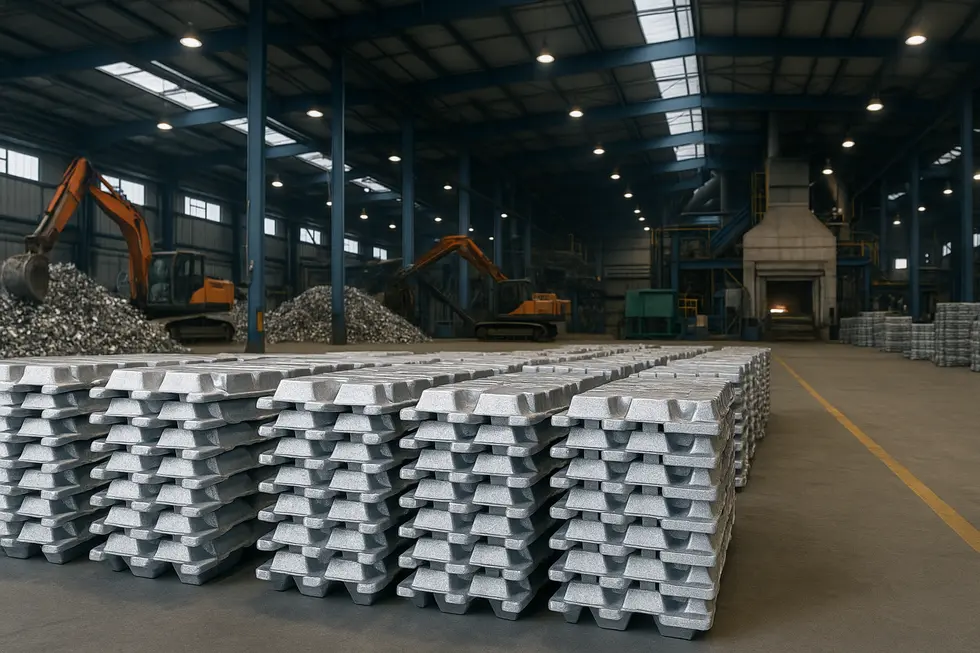
ADC 12 ingots represent a cornerstone in the modern recycling and manufacturing sectors, renowned for their balance of cost-effectiveness and superior mechanical properties. These aluminum alloy ingots are making significant impacts in the industry by blending recyclability with performance—qualities highly sought after in today’s sustainably driven markets. The journey from recycled aluminum products to finalized ADC 12 ingots offers insights into sustainable practices embraced globally and especially within the UAE’s advanced recycling landscape. From understanding their unique physical and chemical properties to exploring their diverse applications in die-casting, ADC 12 ingots continue to redefine industry standards. This article delves into these facets, examining trade specifications, logistics, and tailored client solutions, underscoring their relevance in automotive and electronics industries.
Tables of Contents
Chapter 1: Innovative Methods in ADC 12 Ingot Production and Recycling
- Advanced Melting and Refining Methods in ADC 12 Ingot Manufacturing
- Precision Casting: From Innovation to Implementation in ADC 12 Ingot Production
- Innovative Recycling Strategies for Sustainable ADC 12 Ingot Production
- Harnessing Environmental Benefits in the ADC 12 Recycling Process
- Cutting-Edge Approaches and Practices in ADC 12 Ingot Production and Recycling
Chapter 2: Physical and Chemical Properties of ADC 12 Ingots
- Elemental Influences: The Chemical Composition’s Role in ADC12 Ingots
- Understanding Density and Mechanical Strength in ADC 12 Ingots
- Thermal Characteristics and Melting Dynamics in ADC 12 Ingots
- Corrosion Resistance: Balancing Strength and Stability in ADC 12 Ingots
- Versatile Uses of ADC 12 Ingots: Strength through Composition
Chapter 3: Innovative Uses of ADC 12 Ingots in Modern Die-Casting
- Essential Automotive Advancements with ADC 12 Ingots
- Pivotal Contributions of ADC 12 Ingots in Electronic Device Manufacture
- Integration of ADC 12 Ingots in Industrial Machinery for Die-Casting Precision
- Elevating Household Appliances: ADC 12 Ingots and Their Role in Die-Casting Components
- Achieving Precision in Die-Casting with ADC 12 Ingots
Chapter 4: Trade Specifications and Logistics of ADC 12 Ingots
- Ensuring Quality: Chemical Composition Standards for ADC 12 Ingots
- Ensuring Mechanical Integrity and Compliance in ADC 12 Ingots Trade
- Dimensional Precision: Foundation of ADC 12 Ingot Trade and Logistics
- Ensuring Safe Transit: Packaging and Shipping Dynamics of ADC 12 Ingots
- Navigating Regulatory and Quality Certifications in ADC 12 Ingots Trade
Chapter 5: Tailored Manufacturing: Advanced Customization in ADC 12 Ingots
- Precision Alloy Composition: Custom Solutions for ADC 12 Ingots
- Precision Specification Customization in ADC 12 Ingots
- Navigating Order Quantities and Delivery for Bespoke ADC 12 Ingots
- Enhancing ADC 12 Ingots Through Advanced Surface Treatments
- Crafting Precision: Customizing ADC 12 Ingots for Industry-Specific Applications
Chapter 1: Innovative Methods in ADC 12 Ingot Production and Recycling
1. Advanced Melting and Refining Methods in ADC 12 Ingot Manufacturing
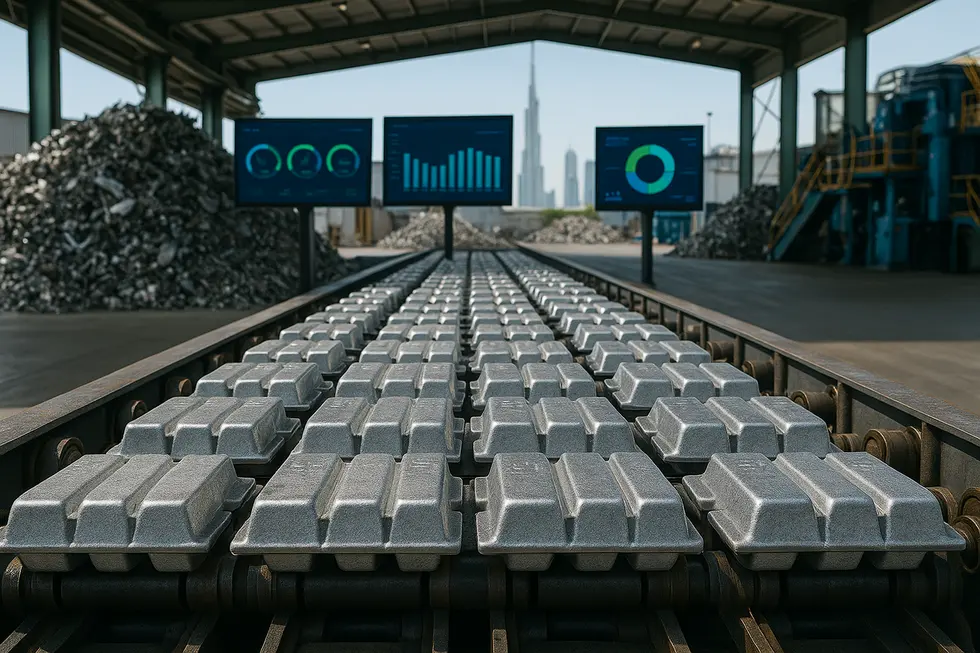
In the realm of ADC 12 ingot production, advanced melting and refining techniques are critical. Cold chamber die casting is a dominant method, effectively preventing contamination by using separate melting and injection chambers. Alternatively, semi-solid die casting offers improved strength and reduced porosity by utilizing a paste-like state for aluminum. Refining focuses on eliminating impurities and controlling alloy composition, essential for preserving mechanical properties in high-pressure applications. For more insights into recycling innovations, visit this blog post.
2. Precision Casting: From Innovation to Implementation in ADC 12 Ingot Production
ADC 12 ingots, renowned for their remarkable castability and mechanical advantages, owe much to advanced casting processes. Primarily, high-pressure die casting is praised for optimizing fluidity and minimizing defects, using steel molds that precisely govern shape via components like cooling devices and ejectors. Despite the alloy’s inherent resilience, meticulous control over parameters such as temperature and injection pressure ensures excellence, preventing flaws like iron-induced peeling. This precision process underpins ADC 12’s stature in industries demanding high-quality, cost-effective components, positioning it as indispensable in both traditional and modern manufacturing landscapes.
3. Innovative Recycling Strategies for Sustainable ADC 12 Ingot Production
Recycling strategies for ADC 12 ingots focus on sustainability by advancing scrap sorting and maximizing recycled aluminum use. Enhanced scrap sorting technologies, like sensor-based separation, ensure alloy quality by effectively separating mixed aluminum scrap. Utilizing secondary aluminum minimizes reliance on primary aluminum, significantly reducing carbon emissions through recycling existing metal flows. Moreover, integrating circular economy principles—including closed-loop systems—facilitates the efficient recovery and remanufacture of end-of-life products. These initiatives align with industry trends in sustainable aluminum production. For more insights, explore McKinsey on cleaning up mixed scrap and SWM Metal.
4. Harnessing Environmental Benefits in the ADC 12 Recycling Process
The recycling of ADC 12 ingots brings substantial environmental advantages, dramatically reducing energy and CO₂ emissions compared to primary aluminum production. Utilizing only 3-5% of the energy required for primary methods, this process promotes a closed-loop system, minimizing waste and supporting a circular economy. Advanced techniques enhance this alloy’s recyclability while preserving the material qualities demanded by industries. Explore sustainable approaches in aluminum recycling.
Read more about sustainable aluminum solutions and recent advancements in recycling processes from reliable experts and manufacturers at Materials Analysis in Automotive Gigacasting and Shift Toward Recycled Aluminum Alloys.
5. Cutting-Edge Approaches and Practices in ADC 12 Ingot Production and Recycling
The production of ADC 12 ingots hinges on high-pressure die casting. This method enables the creation of highly precise components. Recent innovations such as rapid cooling techniques and CNC machining push boundaries, maintaining defect rates below 0.5%. On the recycling front, ADC 12 ingots boast over 95% recyclability, aligning with sustainable practices and industrial efficiency. Semi-solid die casting and advanced tooling further enhance production quality, addressing needs in industries like automotive and electronics. Discover more about these advancements at What is an Aluminum Die Casting Process.
Chapter 2: Physical and Chemical Properties of ADC 12 Ingots
1. Elemental Influences: The Chemical Composition’s Role in ADC12 Ingots
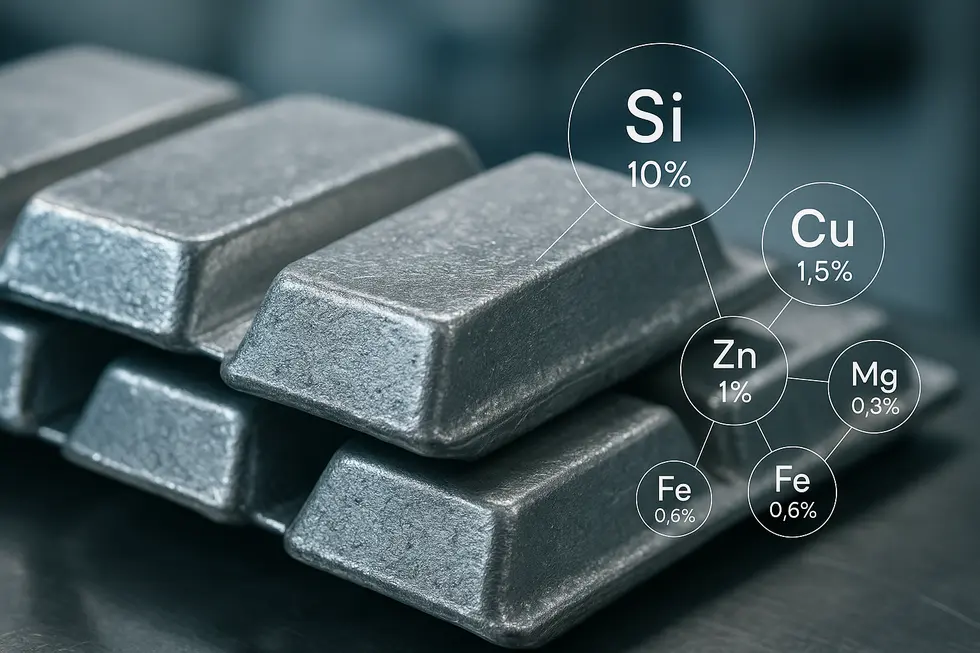
ADC12 ingots are primarily composed of aluminum and silicon, classifying them as hypereutectic aluminum-silicon alloys. Silicon content of 9.6-12% grants them excellent fluidity and wear resistance, crucial for die casting complex components. Copper (1.5-3.5%) enhances hardness but may reduce corrosion resistance. Other elements like magnesium and manganese, though less abundant, contribute significantly to strength. This precision in composition not only bolsters mechanical properties like tensile strength and hardness but also aligns with industry standards for versatile applications and recycled material purity. For detailed insights, review the specifications at Go4WorldBusiness.
2. Understanding Density and Mechanical Strength in ADC 12 Ingots
ADC12 ingots balance robust mechanical strength and practical density, ideal for die-casting. Their density sits around 2.7 g/cm³, typical of aluminum alloys, and complements their mechanical attributes. Tensile strength ranges between 290–330 MPa, while yield strength is about 140–180 MPa. Low elongation rates suggest limited ductility, highlighting their brittleness. These physical traits make ADC12 suitable for rigid, less-flexing applications like automotive and electronic components, reflecting their practical industrial appeal. For comprehensive insights into ADC12 properties, check detailed datasheets on platforms like texametals.com.
3. Thermal Characteristics and Melting Dynamics in ADC 12 Ingots
ADC12 ingots boast impressive thermal conductivity, ranging from 90 to 116.8 W/m·K, which optimizes heat dissipation essential for die casting. The alloy transitions from solid to liquid between 552.4°C (solidus) and 608°C (liquidus), crucial for manufacturing processes. This aluminum-silicon-copper alloy, with 9.6-12.0% silicon and 1.5-3.5% copper, enhances castability and mechanical strength, balancing functionality with cost-effectiveness. These properties are instrumental for components in demanding industries like automotive and electronics. For more about ADC12 ingots, visit this comprehensive guide.
4. Corrosion Resistance: Balancing Strength and Stability in ADC 12 Ingots
ADC12 ingots, renowned for their use in die-casting, offer a moderate level of corrosion resistance—a crucial factor defining their physical and chemical properties. While copper content enhances strength, it slightly diminishes corrosion resistance compared to copper-free alloys. This trade-off affects longevity as corrosion can lead to surface degradation impacting structural integrity. In environments with higher corrosivity, protective coatings become essential to maintain their durability. Industries like automotive and electronics employ ADC12 for components where mechanical performance is non-negotiable, ensuring an optimal balance of strength, ductility, and endurance. More on ADC12 Aluminium Ingots
5. Versatile Uses of ADC 12 Ingots: Strength through Composition
Industrial applications of ADC 12 ingots are vast, thanks to their high silicon and copper content, granting excellent castability, strength, and hardness. Automotive industries harness these properties for engine blocks and transmission housings, requiring intricate shapes and dependable performance. In electronics, ADC 12 ensures good heat dissipation and structural reliability. Its adaptability also benefits household appliances and industrial components, demonstrating its indispensable role in precision die casting. To gain more insights into the recycling and utility aspects, explore innovative recycling methods for ADC 12.
Chapter 3: Innovative Uses of ADC 12 Ingots in Modern Die-Casting
1. Essential Automotive Advancements with ADC 12 Ingots
ADC 12 ingots have become indispensable in automotive die-casting due to their optimal fluidity, mechanical robustness, and economic feasibility. This aluminum-silicon alloy excels in intricate, thin-walled structures such as engine blocks and transmission cases. Key properties like tensile strength of 290–330 MPa and hardness of 80–100 HB make ADC 12 ideal for automotive structural components. Recycling practices enhance its cost-effectiveness and sustainability, positioning it as a vital material in modern auto manufacturing. For further insights on ADC 12 applications, refer to this detailed blog post.
2. Pivotal Contributions of ADC 12 Ingots in Electronic Device Manufacture
The essential nature of ADC 12 ingots in electronic device manufacturing lies in their unique alloy properties. Their hypereutectic aluminum-silicon composition ensures exceptional fluidity, enabling precise die-casting for complex housings. With high silicon lowering casting shrinkage, these ingots offer superior dimensional stability, crucial for sensitive electronics. Meanwhile, copper boosts mechanical strength, ensuring lasting durability even under stress. These attributes make ADC 12 the alloy of choice for lightweight, thermally efficient casings, crucial for dissipating electronic heat reliably. Consequently, ADC 12 ingots underscore how material engineering meets practical electronic industry demands. For more on this composition and its advantages in high-stakes industries, consider exploring aluminum recycling innovations.
3. Integration of ADC 12 Ingots in Industrial Machinery for Die-Casting Precision
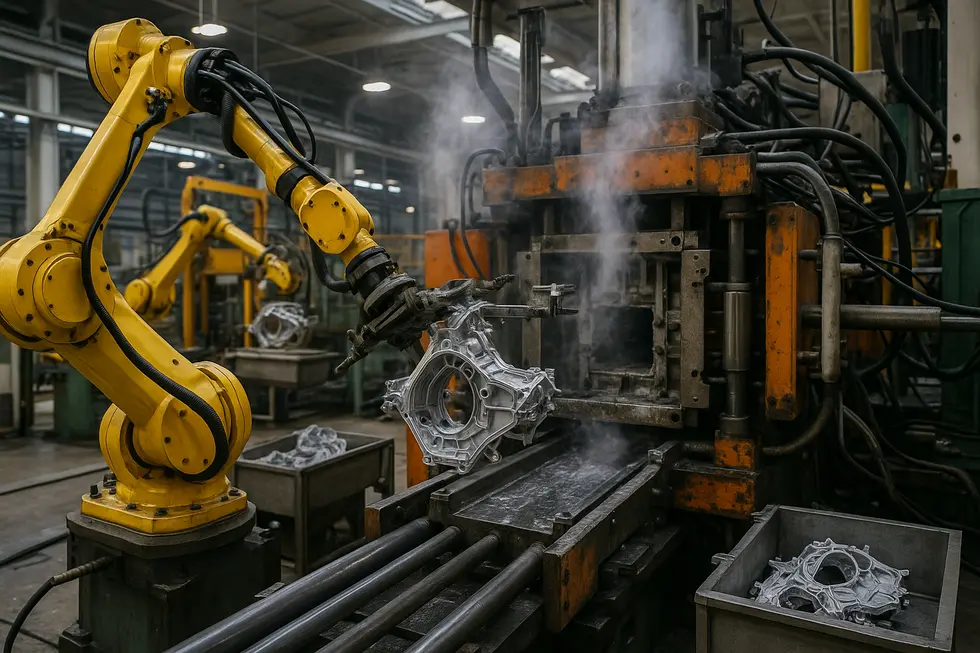
In die-casting, the synergy between industrial machinery and ADC 12 aluminum ingots is pivotal. High-pressure die-casting machines inject molten ADC 12 alloy into meticulously designed steel molds. The alloy’s hypereutectic composition, enriched with silicon and copper, enhances its fluidity and mechanical properties, ideal for industrial applications. Moreover, precise mold design and high-pressure injection facilitate intricate component creation, especially in automotive and electronics sectors. An external reference on die casting workflow provides a comprehensive guide.
Additionally, the melting point of ADC 12 necessitates its melting in a furnace before injection, ensuring optimal consistency and quality. These processes are pivotal for sectors requiring precision-engineered components. RapidDirect’s insights on machinery types further empower understanding. This seamless integration underscores ADC 12’s versatility and cost-efficiency in industrial manufacturing, reinforcing its status in modern die-casting practices.
4. Elevating Household Appliances: ADC 12 Ingots and Their Role in Die-Casting Components
In the realm of household appliances, ADC12 aluminum alloy ingots play a pivotal role in die-casting. With silicon content ranging from 9.6% to 12%, ADC12 ensures exceptional fluidity, facilitating the creation of intricate, thin-walled components such as those found in washing machines and vacuum cleaners. ADC12’s impressive mechanical properties, including tensile strength (290–330 MPa) and hardness (80–100 HB), guarantee structural integrity for durable appliance parts without compromising cost-effectiveness. This alloy’s recyclability also aligns with sustainable manufacturing practices 1. Consequently, ADC12 maintains its status as a preferred choice in the household appliance sector, balancing durability and environmental responsibility 2.
5. Achieving Precision in Die-Casting with ADC 12 Ingots
ADC 12 ingots serve as a cornerstone in precision manufacturing within the die-casting industry, offering unparalleled castability and mechanical performance. Their composition, predominantly aluminum and silicon, enhances fluidity, which is crucial for forming intricate geometries with high dimensional fidelity. Moreover, ADC 12 features an acceptable balance of strength and ductility, making it suitable for high-stress applications. Industries such as automotive and electronics benefit immensely from these alloys, achieving complex components that demand stringent tolerance levels. Further insights on ADC 12 ingots can be explored to appreciate their advanced applications and market impact.
Chapter 4: Trade Specifications and Logistics of ADC 12 Ingots
1. Ensuring Quality: Chemical Composition Standards for ADC 12 Ingots
The chemical composition standards for ADC 12 ingots are pivotal to maintaining their integrity in trade. Defined under the Japanese Industrial Standard (JIS), equivalent to the U.S. A383, these standards ensure consistency in quality. ADC 12 is predominantly composed of 9.6-12% silicon and 1.5-3.5% copper, reinforcing its exceptional casting abilities. Traceability and quality control are safeguarded through meticulous batch labeling and certification, as outlined in comprehensive guidelines here.
2. Ensuring Mechanical Integrity and Compliance in ADC 12 Ingots Trade
ADC12 ingots offer robust mechanical properties for die casting, vital for automotive and industrial applications. Their tensile strength ranges from 290–330 MPa, while the yield strength spans 140–180 MPa. This alloy’s distinctive silicon and copper composition boosts its strength and fluidity, accommodating intricate castings. Trade logistics involve standardized weights, ensuring safe transport. Compliance with regulations like HS code 7601.20.10 is crucial. It’s important to consult suppliers and customs for region-specific compliance, especially in areas like the UAE.
3. Dimensional Precision: Foundation of ADC 12 Ingot Trade and Logistics
In the trade and logistics of ADC 12 ingots, ensuring dimensional conformity is crucial. This precision guarantees that each ingot meets strict trade specifications for consistent quality across global markets. Consistent dimensions facilitate seamless integration into manufacturing systems, reducing costly adjustments. Furthermore, logistics efficiency is maximized by enabling secure stacking and space optimization. Maintaining dimensional accuracy upholds product reliability, meeting industrial needs and ensuring smooth supply chain operations.
4. Ensuring Safe Transit: Packaging and Shipping Dynamics of ADC 12 Ingots
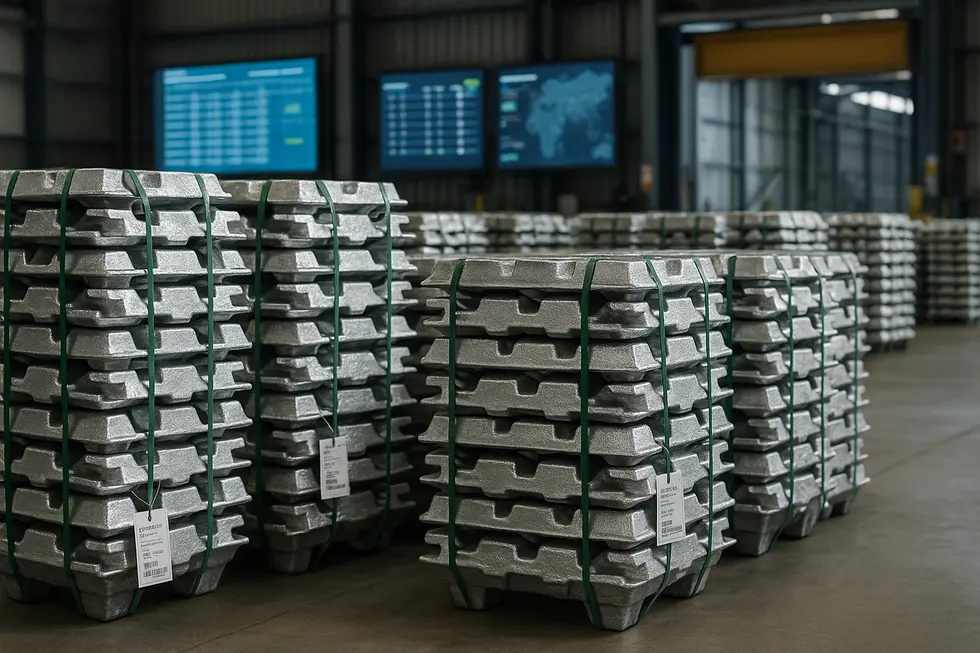
Proper packaging and careful transit are pivotal to preserving the superior properties of ADC 12 ingots, which are paramount for high-pressure die-casting industries. These ingots are predominantly packed in bulk or on sturdy pallets of 70 cm length to safeguard against mechanical harm during transit. Tailored packaging resists both contamination and moisture, ensuring optimal material quality upon arrival. Shipping contracts are secure, often executed under Letters of Credit (LC), mandating rigorous compliance to quality standards, with inspections by agencies like SGS validating conformity at ports. Containerized shipping offers flexibility with detention-free periods ranging from 14 to 30 days, complemented by insurance covering 110% of shipment value to mitigate risk. Influxes in aluminum alloy demand necessitate dynamic logistics solutions, sustaining inventory levels while balancing cost-effectiveness. Further details on ADC 12 ingot packaging can be explored at Go4World Business. For LC procedures, visit Ametheus.
5. Navigating Regulatory and Quality Certifications in ADC 12 Ingots Trade
Trade of ADC 12 ingots pivots on strict adherence to ASTM and ISO standards, pivotal for confirming purity and composition. These certifications fortify buyer confidence and compliance, essential in seamless commerce activities. Suppliers offer customized purity levels while maintaining rigorous specification templates, ensuring product consistency. Bulk dealings often necessitate secure payment formats like Real-Time Gross Settlement, streamlining logistics while underscoring quality assurance. For insights into certified recycling processes, engage with recycling innovations.
Chapter 5: Tailored Manufacturing: Advanced Customization in ADC 12 Ingots

1. Precision Alloy Composition: Custom Solutions for ADC 12 Ingots
ADC12 ingots can be optimized by adjusting key alloy elements like silicon, copper, and magnesium to meet specific client demands in diverse industries. Silicon enhances flow for complex shapes, while copper strengthens and magnesium boosts resilience. By tweaking these elements to their upper limits, unique mechanical or casting properties are achievable, particularly for automotive components where precision is paramount. Recycling practices adjust secondary scrap inputs, aligning with sustainability goals and ensuring consistency.
2. Precision Specification Customization in ADC 12 Ingots
Specification customization of ADC 12 ingots is pivotal for optimizing performance and meeting distinct client needs. By adjusting the chemical makeup, such as varying silicon and copper levels, manufacturers can influence castability, strength, and corrosion resistance. Clients may specify the ingots’ form factors or request enhanced grain structures via techniques like mechanical vibration. Packaging, inspection standards, and payment guarantees further customize the procurement process, ensuring ingots are adapted for various industrial applications, such as in automotive and electronics sectors (Technical Data on ADC12 Alloy).
3. Navigating Order Quantities and Delivery for Bespoke ADC 12 Ingots
In the realm of customized ADC 12 ingots, balancing order quantities and delivery dynamics is key. Standard orders often commence from 5-ton lots, giving suppliers scope for economies of scale. Yet, options for smaller, bespoke shipments remain — an advantage when precision trumps volume. Supply chains accommodate, tailoring shipments to match specific contractual terms and futures trade agreements, such as those found on the Shanghai Futures Exchange. Coordination with manufacturers ensures that client-tailored alloys meet mechanical and logistical specifications, aligning delivery schedules and customized requests with commitment to quality. Through effective supplier communication, finely-tuned customizations in alloy composition and shipment terms can be explored, guaranteeing that unique project requirements are satisfied with efficiency and precision.
4. Enhancing ADC 12 Ingots Through Advanced Surface Treatments
Surface treatments or coatings are pivotal in customizing ADC12 aluminum alloy ingots to enhance their properties for specific applications. Techniques like anodizing improve corrosion resistance and surface hardness, making them ideal for automotive and electronic components. Powder coating and chromate conversion coatings offer aesthetic and protective layers, while electroless nickel plating provides additional wear resistance. Such customization ensures the ingots meet precise demands, optimizing their performance across diverse industries. For more details on the role of ADC12 in the manufacturing sector, explore the ADC 12 Aluminum Ingots resource.
5. Crafting Precision: Customizing ADC 12 Ingots for Industry-Specific Applications
Application-specific customization of ADC12 ingots optimizes their composition and form to match industry demands for strength, flexibility, and corrosion resistance. By adjusting silicon and copper levels, or refining casting processes, manufacturers achieve ideal properties for sectors like automotive or electronics. For example, adjusting the Si-Cu ratio in automotive applications enhances both castability and mechanical endurance. Additionally, industries such as electronics benefit from surfaces that dissipate heat while maintaining structure. Texametals – ADC12 vs ADC6 Aluminum YMJ Rack – GD-ALSi12Cu Alloy Analysis
Final thoughts
ADC 12 ingots serve as a pivotal element in advancing sustainable practices within metal recycling and the production of high-quality components in diverse industries. Their role extends from facilitating efficient recycling systems globally to meeting exacting standards in die-casting applications for sectors like automotive and electronics. Through tailored solutions and stringent trade logistics, ADC 12 ingots continue to set benchmarks in quality and reliability, underscoring the innovative direction the recycling industry is headed. As highlighted, the UAE exemplifies these advancements, emphasizing its commitment to environmental compliance and resource efficiency, navigating towards a sustainable future.
At Al Zuhour Al Hamra, we are committed to driving innovation and sustainability across the recycling industry. We invite you to contact us for expert advice on integrating the latest recycling technologies and best practices into your operations. Our team offers resources and consultations tailored to your specific recycling needs and sustainability goals. – Get a quote for your scrap recycling requirements – Request a detailed consultation on emerging industry practices that can enhance your recycling outcomes. As we work towards a more sustainable future, let Al Zuhour Al Hamra be your trusted partner in achieving excellence in recycling and environmental responsibility. For further exploration, check out related articles and insights on the groundbreaking developments reshaping our industry here. Together, let’s lead the way in recycling innovation, sustainability, and CO₂ reduction. use this link – Contact Us for inquiries, quotes, or bulk solutions.
About us
Al Zuhour Al Hamra Metal Scrap Tr. LLC is a leading recycling company based in the UAE, proudly buying and processing scrap materials from Abu Dhabi, Dubai, and across the UAE and international markets. We are committed to the highest environmental standards, implementing best environmental practices, a strict zero-landfill policy, and advanced recovery systems to ensure maximum material reuse. Al Zuhour integrates Global Reporting Initiative (GRI) standards into its waste reporting process, providing clients with transparent, verifiable data on waste diversion, material recovery, and carbon impact. At Al Zuhour, we also buy and recycle ADC 12 ingots, a lightweight and easy-to-handle alloy widely used in smelting, manufacturing, automotive, and electronics industries. Renowned for its high purity and minimal contamination, ADC 12 is an excellent choice for producing reliable, high-quality components. Our recycling process ensures that ADC 12 ingots can be melted and combined with other metals to create valuable new alloys, supporting sustainability and resource efficiency. We handle ADC 12 ingots in various sizes and tonnage, offering convenient solutions for collection, storage, and transport, while upholding our commitment to environmentally responsible practices and transparent transactions. Choose Al Zuhour Al Hamra for transparent, certified recycling and surplus metal management, and join us in driving a circular economy across the UAE and beyond. use this link – About Us for company credibility or experience.
