
Introduction
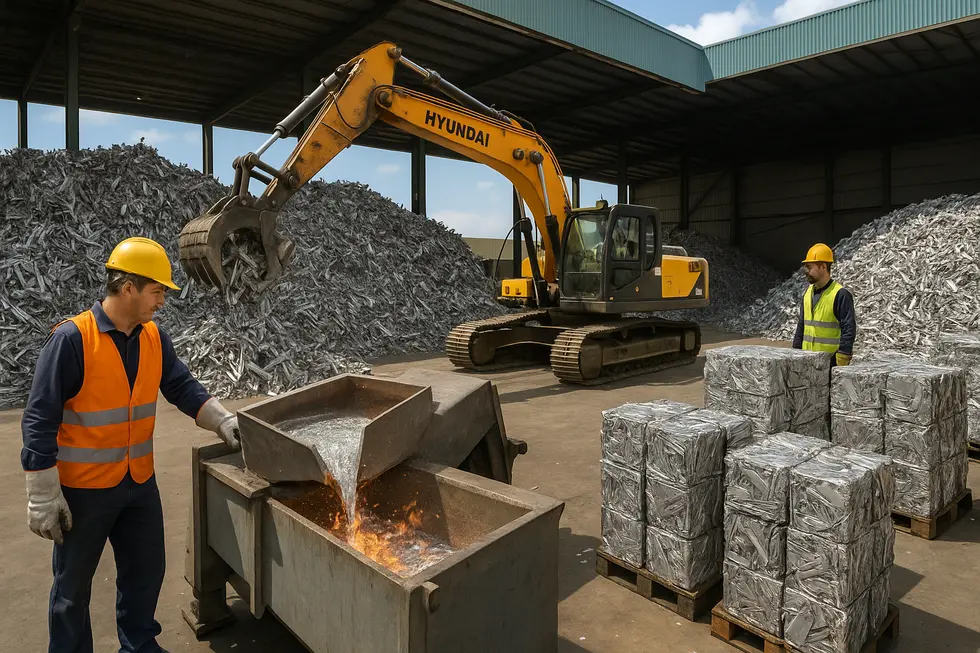
The aluminum scrap industry is a pivotal component of global recycling markets, with significant impacts on sustainability and commercial viability. Key international players include regions like China, India, Malaysia, and the United States. Within this global context, Al Zuhour Al Hamra Metal Scrap Tr. LLC stands out in the UAE, demonstrating expertise in purchasing, processing, and recycling a variety of scrap types, including aluminum. This article explores the global and local landscape of aluminum scrap trading, emphasizing Al Zuhour Scrap’s role in efficiently navigating these markets to foster sustainable practices and economic prosperity across the UAE.
Tables of Contents
Chapter 1: Global Dynamics of Aluminium Scrap Buyers and Sellers: Implications for Al Zuhour Scrap
- Navigating Trade Policies and Market Demands: Strategic Procurement for Al Zuhour Scrap
Chapter 2: Global Dynamics of Aluminium Scrap Buyers and Sellers: Opportunities and Challenges
- Leveraging Sustainability for Global Expansion: Al Zuhour Scrap’s Strategic Path
Chapter 1: Global Dynamics of Aluminium Scrap Buyers and Sellers: Implications for Al Zuhour Scrap
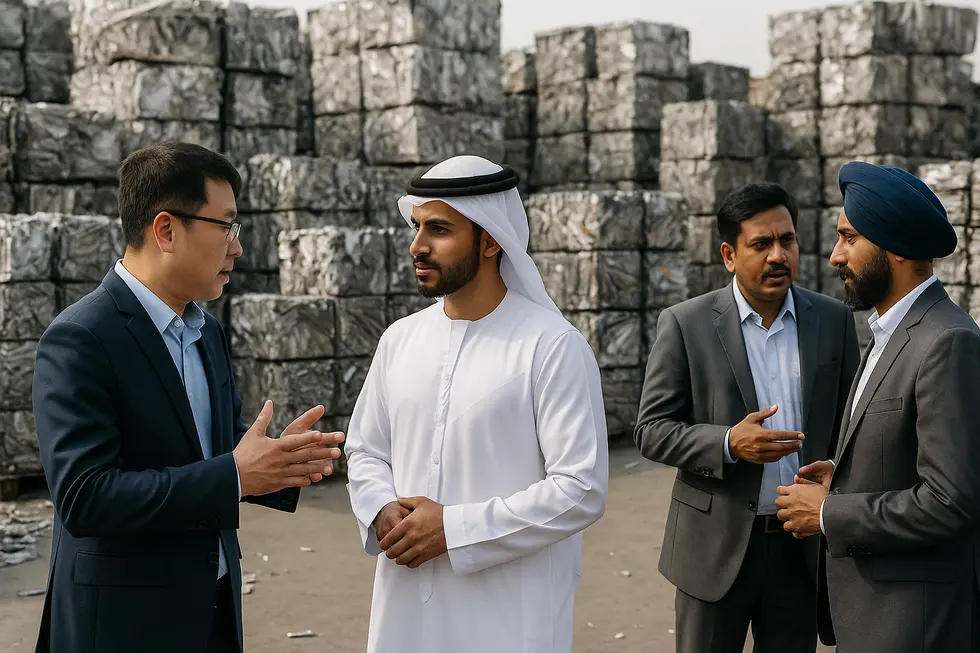
1. Navigating Trade Policies and Market Demands: Strategic Procurement for Al Zuhour Scrap
Understanding the intricate dance of trade policies and regional demand shifts is vital for Al Zuhour Scrap as it navigates the complex landscape of aluminium procurement. Trade policies exert a profound influence on cost structures and supply chain dynamics, necessitating a nuanced approach to sourcing strategies.
Trade Policies Impact
In a globalized market where trade policies fluctuate, tariffs and import duties imposed by countries from which Al Zuhour Scrap sources aluminium can dramatically alter procurement costs. Consider a scenario where new tariffs are levied on exports from pivotal suppliers like China or India. Such shifts could significantly increase input costs, eroding profit margins unless countered by strategic pricing adjustments. Conversely, free trade agreements (FTAs) or regional trade agreements (RTAs) present opportunities by reducing or even eliminating tariffs, thus offering a more cost-effective pathway for aluminium imports. Furthermore, when countries enforce export restrictions or quotas, supply becomes constrained, compelling Al Zuhour Scrap to either identify alternative sourcing partners or acquiesce to higher pricing demands.
The specter of sanctions also looms large. Sourcing aluminium from regions under economic sanctions can disrupt supply chains, forcing Al Zuhour Scrap to diversify its supplier portfolio to mitigate procurement challenges. Moreover, changes in customs procedures and compliance standards can escalate administrative costs and affect procurement efficiencies, demanding agile responses from businesses operating within affected regions.
Regional Demand Shifts Impact
Not only policy changes but also shifts in regional demand can reshape procurement landscapes. For instance, a surge in aluminium demand spurred by industrial expansion in nearby markets could lead suppliers to prioritize domestic buyers. As a result, Al Zuhour Scrap may face heightened procurement costs or constrained supply availability. Economic growth and industrialization in neighboring countries can further intensify aluminium competition, prompting Al Zuhour Scrap to refine its strategy by exploring long-term contracts or investing in advanced recycling technologies to augment supply.
In anticipation of seasonal demand variations linked to sectors like construction, where demand peaks cyclically, procurement timing must be meticulously planned. Similarly, trends towards sustainability and lightweight materials can shift market dynamics, necessitating proactive adjustments in procurement strategies to stay ahead.
Strategic Considerations for Al Zuhour Scrap
To adeptly navigate these challenges, Al Zuhour Scrap should actively diversify its supplier network across multiple regions to mitigate risks associated with trade policies and demand fluctuations. By increasing local sourcing and enhancing recycling capabilities, the company can lessen its reliance on imports and reduce its exposure to geopolitical risks. Establishing long-term supply agreements is another prudent move to ensure stable procurement costs, while continuous monitoring of policy developments and market trends is crucial for timely strategic adjustments.
In mitigating the impact of rising procurement costs, Al Zuhour Scrap could consider implementing cost pass-through strategies, enhancing operational efficiencies to sustain profitability. Ultimately, a comprehensive approach that integrates supplier diversification, local resource development, and vigilant policy tracking is key for Al Zuhour Scrap to maintain its competitive edge in the evolving global aluminium market landscape.
For further insights on how certified recycling plays a role in market adaptability, you can explore Aluminium Scrap Processing Guide.
Chapter 2: Global Dynamics of Aluminium Scrap Buyers and Sellers: Opportunities and Challenges
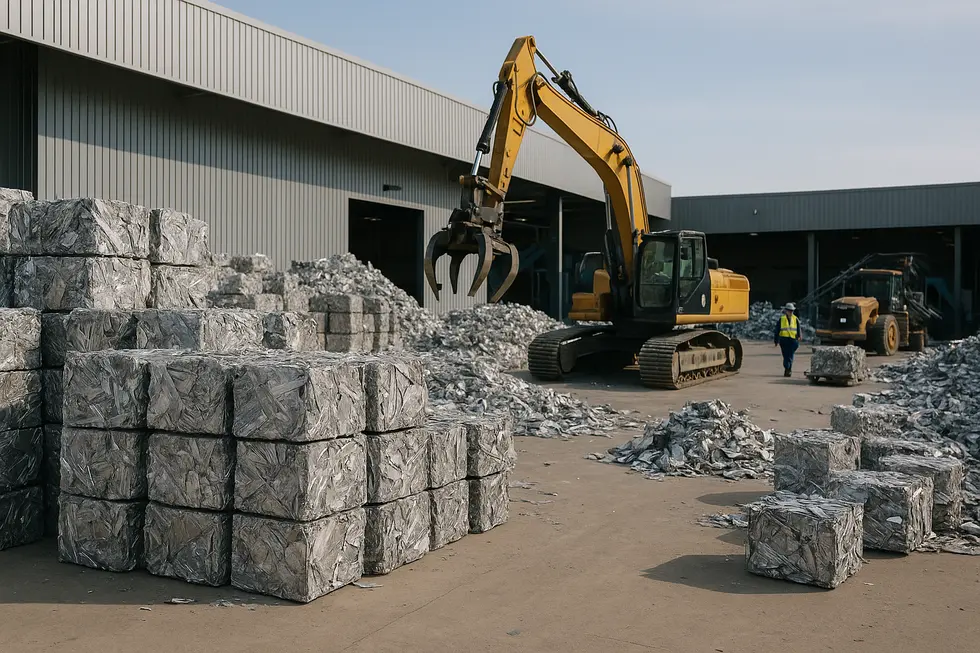
1. Leveraging Sustainability for Global Expansion: Al Zuhour Scrap’s Strategic Path
In the realm of global aluminium recycling, companies are increasingly pivoting towards sustainability to enhance competitive advantage. Al Zuhour Scrap, operating from Sharjah in the UAE, exemplifies how a firm can harness environmentally responsible practices to gain traction in international markets. The company’s ISO certifications not only validate its commitment to sustainable operations but also provide leverage in attracting partners focused on green supply chains.
Aligning with Global Demand
The demand for recycled aluminium is escalating, driven by its environmentally favorable profile and significant energy savings compared to primary aluminium production. With recycled aluminium using up to 95% less energy than new metal, Al Zuhour Scrap is well-poised to capitalize on this trend. These energy savings translate into a reduced carbon footprint, aligning with global sustainability goals and regulatory requirements that favor circular economy principles. Such alignment presents Al Zuhour Scrap with the opportunity to penetrate markets increasingly driven by eco-conscious manufacturers—highlighting the strategic importance of its environmentally prudent operations.
Harnessing Certifications and Quality
ISO certifications not only represent adherence to quality and environmental standards but also symbolize a commitment to ethical recycling practices. For Al Zuhour Scrap, boasting these certifications can open doors to international clients demanding verified sustainability in their supply chains. This aspect positions Al Zuhour as an appealing partner across markets striving for quality compliance and environmental responsibility. Hence, strategic communication of these certifications, possibly within the company’s environmental initiatives, can foster greater international collaboration.
Technological Advancements and Partnerships
Investing in advanced sorting and processing technologies represents a crucial step for Al Zuhour Scrap in improving the quality of its aluminium scrap. By embracing state-of-the-art technological upgrades, the company can meet stringent quality requirements, thereby widening its appeal to global manufacturers. Furthermore, strategic partnerships in regions with established aluminium manufacturing sectors can enhance its market reach. The UAE’s status as a significant trade hub, with optimal logistical frameworks, reinforces Al Zuhour Scrap’s ability to efficiently export recycled aluminium across Europe, Asia, and Africa.
Market Position and Trend Responsiveness
Positioned in the heart of a progressive regulatory environment, Al Zuhour Scrap can strengthen its market standing by emphasizing cutting-edge technology and a strong environmental mandate. Staying responsive to market trends—such as the rising demand for sustainable, energy-efficient materials—underscores the company’s ability to evolve alongside industry shifts. For stakeholders seeking detailed insights into ongoing market developments and strategic implications, Al Zuhour Scrap’s latest updates and news provide invaluable resources.
In essence, the geographical and infrastructural advantages inherent to the UAE, combined with Al Zuhour Scrap’s sustainability commitments, underpin significant growth prospects. Embracing global sustainability trends not only enhances their operational framework but also paves the way for broader international engagement, ensuring the company remains at the forefront of the global aluminium recycling sector.
Final thoughts
Through comprehensive strategies and a strong compliance framework, Al Zuhour Scrap exemplifies leadership in the UAE’s aluminum scrap recycling industry. By navigating both global and local markets efficiently, the company demonstrates excellence in recycling operations, contributing positively to sustainability and economic growth.
At Al Zuhour Al Hamra, we are committed to driving innovation and sustainability across the recycling industry. We invite you to contact us for expert advice on integrating the latest recycling technologies and best practices into your operations. Our team offers resources and consultations tailored to your specific recycling needs and sustainability goals. – Get a quote for your scrap recycling requirements – Request a detailed consultation on emerging industry practices that can enhance your recycling outcomes. As we work towards a more sustainable future, let Al Zuhour Al Hamra be your trusted partner in achieving excellence in recycling and environmental responsibility. For further exploration, check out related articles and insights on the groundbreaking developments reshaping our industry here. Together, let’s lead the way in recycling innovation, sustainability, and CO₂ reduction. Use this link – Contact Us for inquiries, quotes, or bulk solutions.
About us
Al Zuhour Al Hamra is a trusted leader in the industry, committed to building long-term business relationships through adherence to international quality specifications and integrated systems. With state-of-the-art facilities in the UAE and Thailand, the company manages over 200,000 metric tons annually, supported by modern infrastructure and the latest equipment. Its rigorous quality control process includes manual sorting, weighment, chemical analysis, radioactivity checks, and advanced bailing technology to ensure the highest product standards. Certified with ISO 9001, ISO 45001, and ISO 14001, Al Zuhour Al Hamra upholds excellence in quality, occupational health and safety, and environmental management. A dedicated health and safety team continuously monitors, evaluates, and controls all aspects of operations, reinforcing the company’s commitment to sustainability, safety, and reliability. Use this link – About Us for company credibility or experience.
