
Introduction
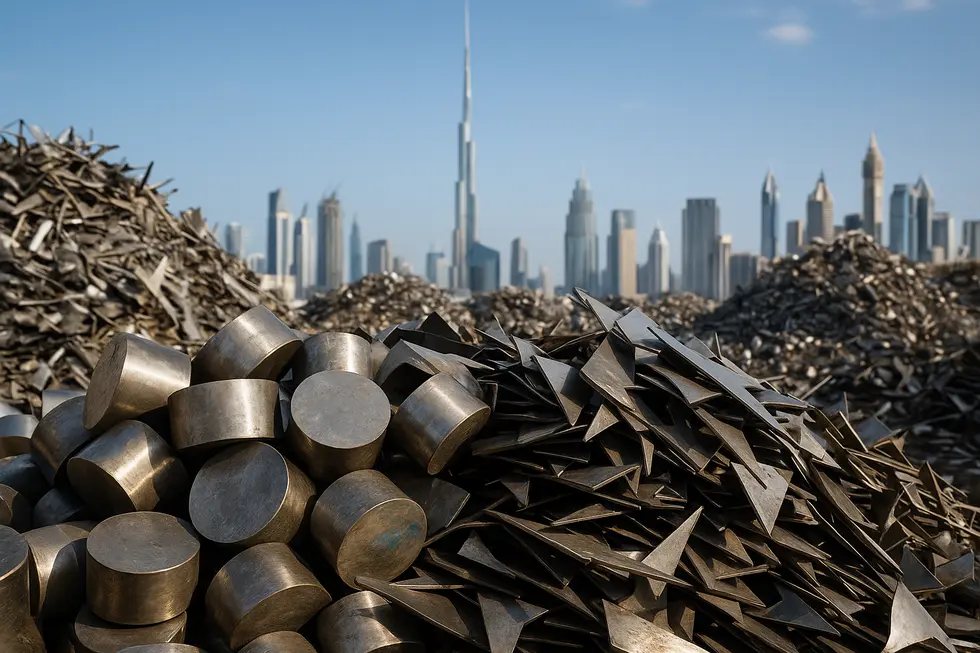
The UAE’s high nickel and special alloys scrap market plays a pivotal role in supporting diverse industries both locally and globally. Known for its dynamic, globally connected trading environment, the UAE has emerged as a crucial hub for the procurement, trading, and recycling of specialty metal scraps. This article delves into various aspects of this vibrant market, starting with an overview of the industry landscape in the UAE. It further explores key players that are instrumental in driving the market, as well as the export and import dynamics that shape the trade. Additionally, the technological and economic facets of scrap recycling are examined to provide a comprehensive understanding of this sector. Finally, the role of trading platforms in facilitating networking and business development will be discussed, offering a holistic view of the high nickel and special alloys scrap market in the UAE.
Chapter 1: High Nickel and Special Alloys Scrap Buyer and Seller in UAE
1. Dynamic Trade Flows and Demand Dynamics in the UAE Market
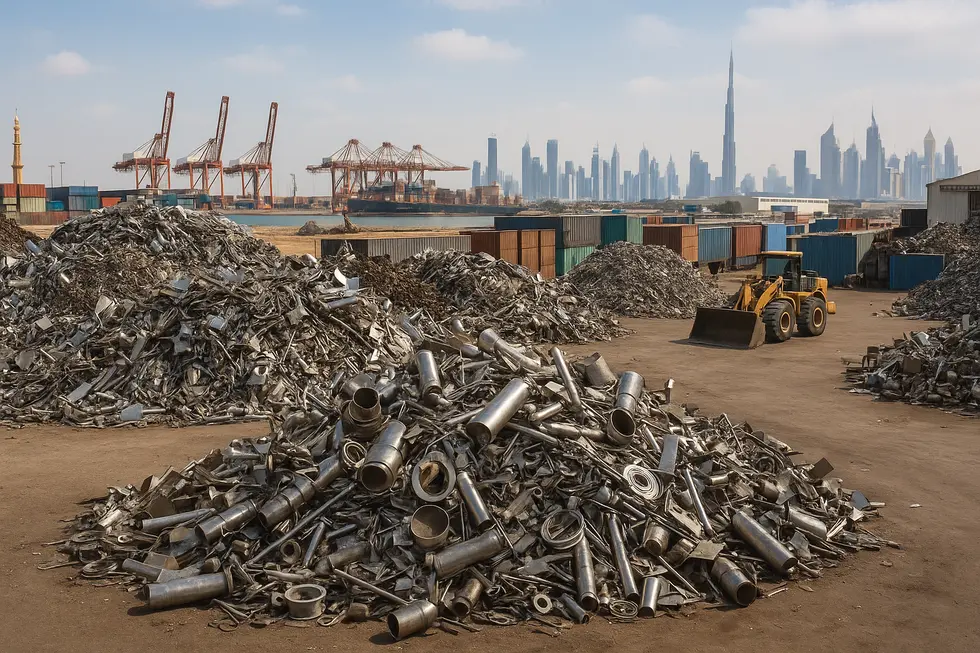
The UAE’s high nickel and special alloys scrap market thrives on dynamic trade and demand dynamics. Key industries such as automotive, construction, and defense drive the need for advanced, corrosion-resistant metals. Strategic imports support industrial growth, while Indonesia’s advancements in nickel processing significantly influence UAE supply chains. With a projected 4.54% CAGR in stainless steel demand by 2032, the region remains a vital hub for alloy trade.
2. Emerging Recycling Trends Shaping the High Nickel and Special Alloys Scrap Market in UAE
The UAE’s high nickel and special alloys scrap market is evolving under the influence of cutting-edge recycling trends. Driven by sustainability and technological innovation, this market capitalizes on Electric Arc Furnace technology, which optimizes scrap processing with a lower carbon footprint. Additionally, AI-enabled sorting enhances the quality and efficiency of scrap recycling. Sustainability mandates emphasize the UAE’s strategic recycling practices to ensure secure metal supplies, thereby fulfilling burgeoning industry demands. For further insights, the circular economy in UAE offers comprehensive context on regional recycling initiatives.
3. Evolving Dynamics and Innovative Processing in the UAE Scrap Market
The UAE’s market for high nickel and special alloys scrap is propelled by industrial demand for superalloys, especially in sectors like automotive and aerospace, emphasizing sustainability. Companies like Shams Al Sajaa Metal Scrap play pivotal roles by leveraging advanced sorting technologies for quality assurance. Utilizing Electric Arc Furnace (EAF) technology, the market aligns with circular economy principles, enhancing recycling efficiency. Circular economy in waste management provides deeper insights into these sustainable practices.
4. Innovative Technologies Transforming Scrap Processing in UAE’s Alloy Market
The UAE’s high nickel and special alloys scrap market is at the forefront of technological innovation, driven by robust regulatory frameworks emphasizing sustainability. The UAE Ship Recycling Regulation mandates environmentally sound scrap processing, fostering the use of Electric Arc Furnace (EAF) technology for efficient, low-emission metal melting, particularly for nickel-rich scraps. Advanced technologies, such as metal additive manufacturing, enable precise recycling of high-nickel alloys, enhancing material quality and reducing waste. Furthermore, circular economy initiatives are pushing the boundaries of metal recovery, steering the industry toward environmentally conscientious practices. These innovations cater to the growing demand for quality alloys in sectors like marine construction, underscoring the market’s pivot towards sustainable advancements.
5. Global Positioning and Economic Forces Shaping the UAE Scrap Metal Market
The high nickel and special alloys scrap market in the UAE thrives at the intersection of geopolitics and economics, essentially functioning due to the nation’s strategic location and robust industrial setup. Connecting Asia, Europe, and Africa, the UAE facilitates seamless trade in nickel, elevated by Indonesia’s processing advancements. Local firms like TRADINGPEAKS FZCO are pivotal in handling complex alloy scraps. Industrial expansions and the shift toward sustainable practices, focusing on recycled-content alloys, drive the sector further. This aligns with circular economy principles gaining global traction, placing the UAE as a vital market player.
Chapter 2: Key Players in High Nickel and Special Alloys Scrap Trading in UAE
1. Strategic Positioning of TRADINGPEAKS FZCO in High-Performance Metal Scrap Industry
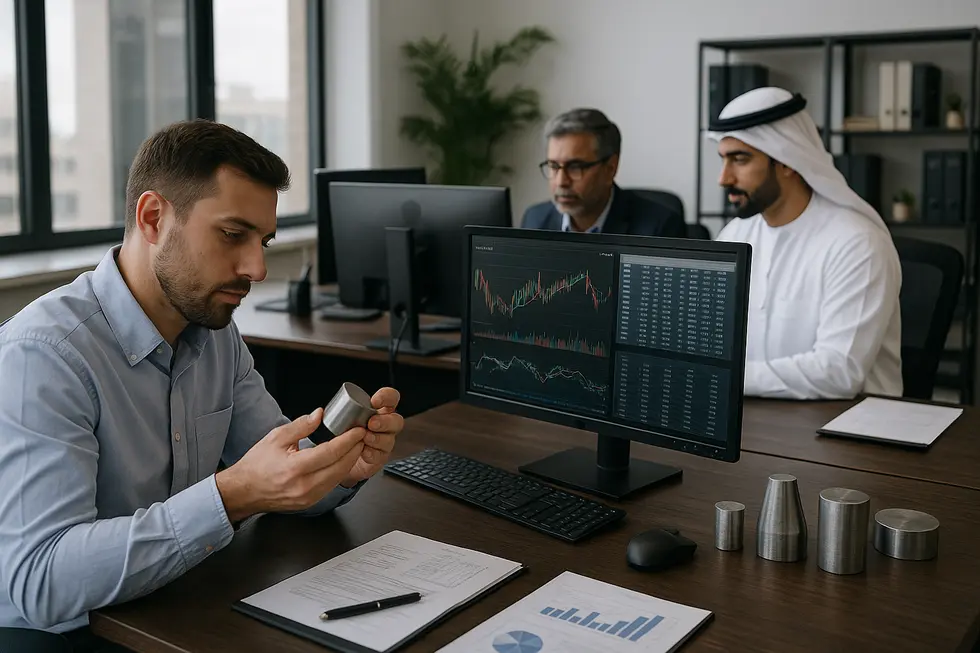
In the bustling Jebel Ali Free Zone of Dubai, TRADINGPEAKS FZCO stands as a sentinel in the high nickel and special alloys scrap trade. With its network of storage facilities and strategic scrap collection from diverse sources, TRADINGPEAKS ensures a steady material flow for industrial giants reliant on specialized alloys. Their involvement with industry committees, like the EEEVB, highlights their influence in advancing sustainable technologies and recycling. This esteemed position not only anchors TRADINGPEAKS in the current market but also aligns them with future-forward industries like electric vehicles, fortifying their impact on the global stage. For more on how recycling plays a role in sustainability, see recycling sustainable technology.
2. JUPITER METALS TRADING FZCO: A Pioneering Force in Scrap Metal Sustainability
JUPITER METALS TRADING FZCO, a significant contributor to the UAE’s high nickel and special alloys scrap ecosystem, exemplifies excellence in metals trading. Situated in the strategic Dubai Airport Freezone, their operations leverage global logistics for the seamless movement of specialized alloys. As a Bureau of International Recycling Gold Member, their dedication to responsible practices supports industries like aerospace and energy, embodying a circular economy ethos. Their crucial role aligns with UAE’s sustainable waste management initiatives. Learn more about the circular economy and waste management.
3. Catalysts of Change: The Role of Non-Ferrous Metal Traders in UAE’s High Nickel Alloy Scrap Market
In the dynamic UAE market, non-ferrous metal traders like TRADINGPEAKS FZCO and Shams Al Sajaa Metal Scrap are indispensable. They facilitate supply chain efficiency by aggregating and sorting high-nickel alloy scraps, crucial for demanding sectors like aerospace. Their operations, often based in strategic free zones such as Jebel Ali, streamline trade logistics and uphold stringent quality standards, boosting both domestic industries and global competitiveness. For insights on UAE’s circular economy and waste management, visit Circular Economy UAE Waste Management.
4. Navigating the Dynamic Landscape of High Nickel and Special Alloy Scrap Trading
The UAE’s high nickel and special alloy scrap industry thrives on a complex interplay of global supply chain dynamics and local ingenuity, especially among smaller traders. These traders master the art of navigating international market changes and regulations, thereby contributing flexibility and adaptability. With technological innovations like AI-enabled sorting, smaller players are empowered to improve efficiency and competitiveness. This synergy of local expertise and cutting-edge technology positioned the UAE as a pivotal hub in the industry’s sustainable and responsive landscape.
For further insights into how these dynamics unfold specifically within metal recycling markets enhanced through AI technologies, you can explore more details at: Metal Recycling Market Grows with AI-Enabled Sorting.
5. Navigating Global Innovations and Local Dynamics in UAE’s Alloy Scrap Market
The UAE’s high nickel and special alloys scrap market deftly balances global advancements and local dynamics. On the global stage, Indonesia’s HPAL plants are a game-changer, boosting supply and altering pricing structures for nickel. Concurrently, technological innovations like AI-driven mining redefine efficiencies, with Saudi Ara’s Ma’aden setting sustainability benchmarks. Locally, stalwarts like Shams Al Sajaa Metal Scrap bolster recycling infrastructure, fueling growth across industrial sectors. Regional demands, especially from construction, further underscore the need for robust recycling systems, positioning the UAE as a key player in this niche segment.
Certified Waste Reporting for Corporations offers insights into responsible waste strategies linking local practices to global standards.
Chapter 3: Export and Import Dynamics of Specialty Alloys in UAE
1. Strategic Positions: Export Growth and Market Reach of UAE’s Specialty Alloys
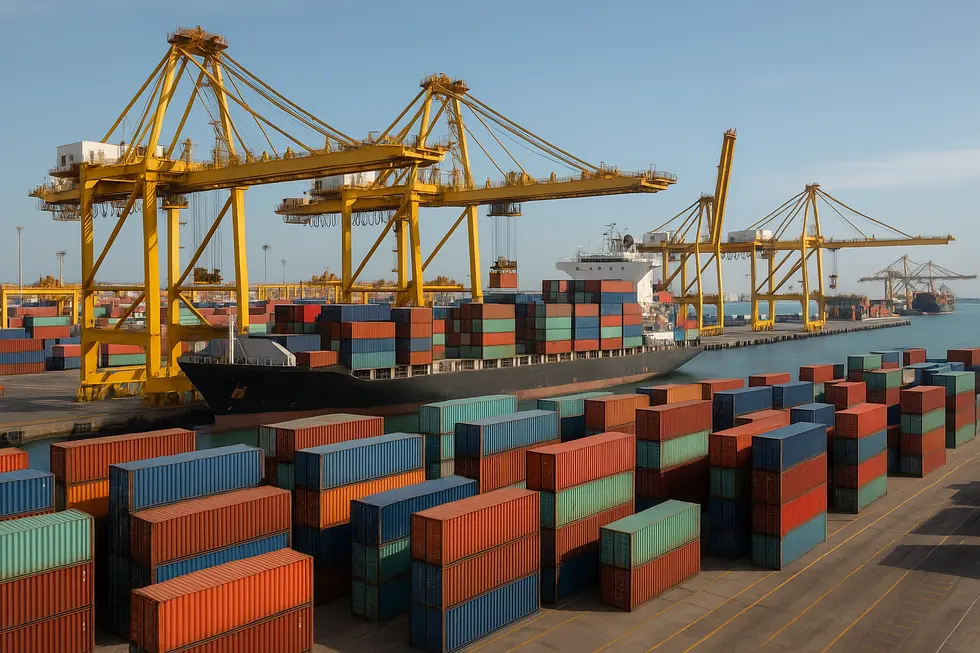
The UAE’s specialty alloy export strategies highlight a focus on capacity expansion and sustainability to achieve market penetration. Emirates Global Aluminium (EGA) is leading efforts by ramping up production capabilities both domestically and internationally, including a major recycling plant initiative in Al Taweelah with a 170 thousand tonnes annual target by 2026. Investments in Electric Arc Furnace technology for advanced alloys support the circular economy, driven by growing demand in the automotive and renewable sectors. Regulatory measures further shape exports, with temporary bans ensuring local industry’s competitiveness. Trade facilitation services also enhance market dynamics, helping producers enter newer territories confidently. For more insights, see Data Bridge Market Research.
2. Navigating Tariffs and Trade Policies in UAE’s Alloy Industry
The UAE’s specialty alloys sector encounters a mosaic of tariff impacts and trade policy shifts that shape its international trade dynamics. With the U.S. increasing tariffs on steel and aluminum, UAE exporters face compressed profit margins and shift focus to high-margin specialty alloys to mitigate these effects. Domestically, a temporary ban on ferrous scrap exports fosters local production capacity, highlighting how trade policies can both constrain and cultivate the industry’s landscape. For further insights on this subject, reports on tariff impositions and ferrous scrap bans provide deeper understanding.
3. Rising Imports and Expanding Local Production: The UAE’s Specialty Alloy Market
The UAE’s strategic focus on specialty alloys, prominently aluminum, is reflected in a significant boost in exports, especially to the US with a 124% increase in early 2025. This growth is underpinned by substantial investments in domestic production infrastructure, which fortifies the UAE’s position in the global alloy market. Regional dynamics further bolster this expansion, with local steel production scaling in the GCC, indicating an overarching trend toward enhanced import and export capabilities. Read more.
4. Innovative Solutions and Technological Prowess in the UAE’s Specialty Alloys Arena
At the forefront of innovation, the UAE’s specialty alloys sector is evolving through strategic investments in advanced manufacturing technologies such as Metal Matrix Composites (MMCs) and additive manufacturing (3D printing). The integration of digital tools like AI-driven design and simulation software enhances both efficiency and sustainability. These advancements are aligned with national initiatives like “Operation 300bn,” promoting high-tech industrial transformation. Partnerships with global material leaders facilitate the development of high-performance composites, reinforcing the UAE’s position as a hub for specialty alloy applications spanning aerospace, defense, and energy Allied Market Research.
5. Navigating Future Trends and Diversification in the UAE Specialty Alloys Market
The future prospects for the UAE’s specialty alloys market are deeply intertwined with ambitious economic diversification and industrialization objectives. The Operation 300bn initiative, aiming to propel non-oil sectors like manufacturing and construction, predicates increased demand for alloys critical to mega-projects, renewable energy, aerospace, and automotive industries. Sustainability-induced innovations, focusing on low-emission production and recycled content, are shaping alloy development. Strategic investments in Electric Arc Furnace technology and scrap-based recycling pave the way for the UAE to become a regional hub for cutting-edge alloys aligning with future industries, such as the hydrogen economy.
Chapter 4: Technological and Economic Analysis of Scrap Recycling in UAE
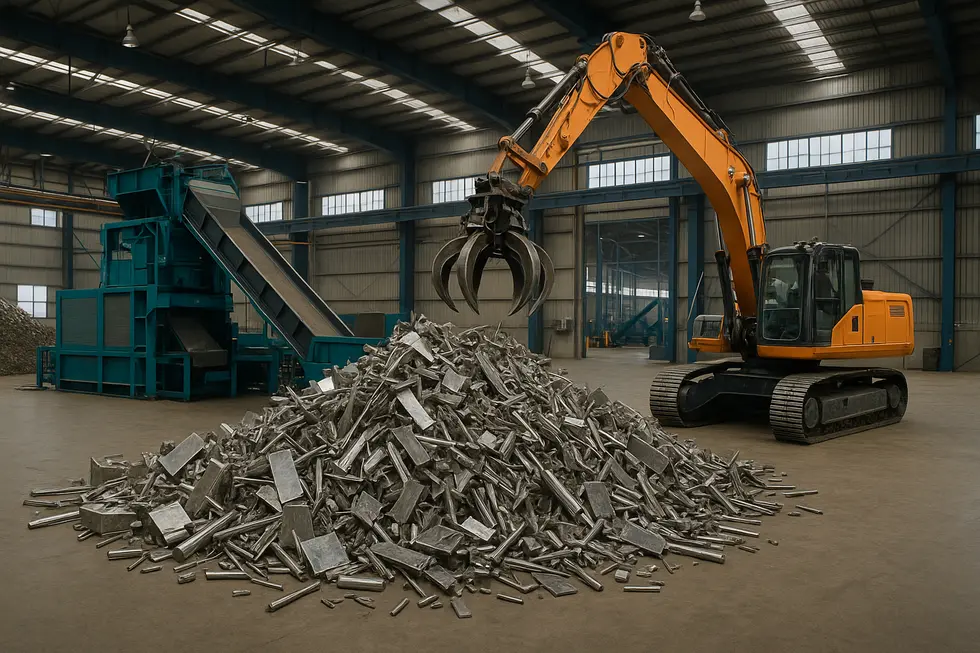
1. Pioneering Recycling Technologies: Transforming the Scrap Landscape in UAE
The UAE is spearheading advancements in recycling technologies, shaping a sustainable economic landscape. With commitments to Net Zero by 2050, the nation is integrating cutting-edge methods like chemical depolymerization and pyrolysis to tackle waste challenges. These technologies convert non-recyclable plastics into valuable resources, partnering innovation with environmental stewardship. This progress is also a response to stringent laws like Federal Law No. 12/2018, empowering economic growth and sustainability Plastic Recycling.
2. Innovative Directions in Plastic Scrap Recycling in UAE
Driven by a robust sustainability agenda, the UAE is pioneering plastic recycling innovations in the scrap recycling sector. Through Federal Law No. 12/2018, the nation mandates comprehensive waste management practices, supporting advanced technologies like Honeywell’s UpCycle Process. Economically, this opens a $20 million opportunity in processing contaminated plastics, highlighting the potential of recycling initiatives aligned with circular economy goals source.
3. Impact of UAE Ship Recycling Standards on the Scrap Recycling Industry
The introduction of the UAE Ship Recycling Regulation (UAE SRR) marks a significant technological and economic shift in the nation’s scrap recycling landscape. By aligning with international standards like the Hong Kong Convention, the UAE bans environmentally harmful beaching practices, opting instead for dry dock methods. This regulation necessitates advanced infrastructure investments, fostering a safer and more sustainable industry. While compliance costs may rise, they are balanced by improved worker safety and lower environmental risks. Ultimately, the UAE’s proactive stance could redefine regional leadership in sustainable ship recycling.
For more detailed insights, visit the Repertorio Salute: IMPACT REPORT.
4. Harnessing Economic Opportunities in the Expanding Market for Scrap Recycling
The UAE’s commitment to net-zero emissions by 2050 has spurred investments in recycling technologies, positioning the region as a lucrative hub for scrap recycling. With the GCC waste management market projected to surpass $100 billion by 2032, UAE’s infrastructure expansion promises attractive economic opportunities. Federal and local regulations drive advanced technology adoption, such as sophisticated sorting systems, bolstering compliant scrap processing. Explore more about UAE’s circular economy benefits. For deeper insights, see: Global Banking & Finance – UAE Sustainability Push
5. Integrating Circular Economy: Regulatory and Technological Synergy in UAE’s Scrap Recycling
The UAE is advancing a regulatory framework that aligns with circular economy principles, focusing on waste reuse and resource recovery. Initiatives like Extended Producer Responsibility (EPR) pilot programs push manufacturers to manage post-consumer waste responsibly. The Ministry of Climate Change and Environment leads with collaborations, promoting advanced recycling technologies. Federal Law No. 12/2018 underpins these efforts by mandating waste segregation and recycling targets. National policy discussions ensure evolving technological support aligns with sustainability frameworks. For more insights, explore how these frameworks support circular economy in waste management.
Chapter 5: Networking and Business Development through Trading Platforms in the UAE
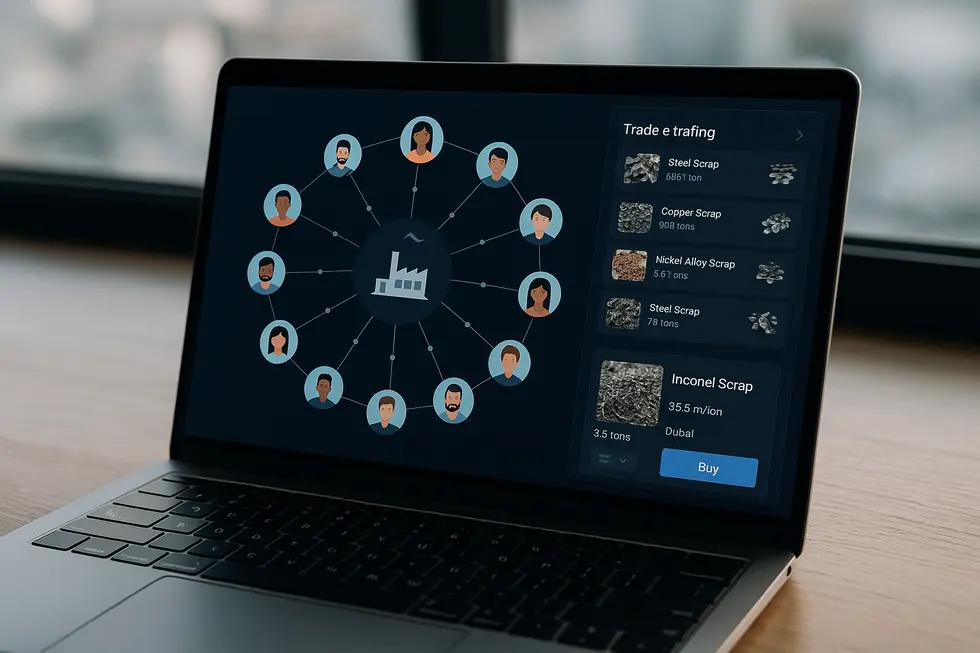
1. Digital Trading Platforms: Catalysts for Global Networking and Business Development
Trading platforms in the UAE are dynamic networking havens, leveraging the region’s strategic global position. These platforms, such as eToro and Plus500, integrate social features enabling traders to exchange insights and collaborate[1]. Real-time communication channels stimulate business development by connecting professionals with complementary interests, fostering regional market growth. By reducing traditional brokerage barriers, they offer user-friendly environments that expand professional networks globally, underscoring the UAE’s role as a hub for international commerce[5]. For more about such platforms’ features, explore Policy Bazaar’s overview.
2. Innovative Strategies for Business Growth in UAE’s Trading Platforms
Leveraging business development strategies via trading platforms in the UAE involves navigating its supportive regulatory and technological environment. The clear regulations set by entities like the Securities and Commodities Authority (SCA) foster innovation. Advanced technologies, including fast execution engines, enhance trading efficacy, while strategic networking builds strong client relationships, facilitating growth. Establishing operations in free zones like the DMCC offers regulatory and cost benefits. Learn more about the impact of the circular economy on UAE waste management.
3. Cultural Influences and Traditional Networking Amidst Modern Trading Platforms
In the UAE’s diverse scrap market, cultural nuances deeply influence networking and business development. Relationships often grow from casual interactions, reflecting the blend of Arab values and international practices. Respect and trust building, emphasized through warm greetings and cultural sensitivity, are foundational. Platforms integrating these traditions enhance connections, combining social and professional goals, vital for the UAE market’s dynamic nature. For more, visit Cultural Insights – Understanding the Business Environment in Dubai.
4. Strategic Growth through Relationship Building and Networking Platforms
To thrive in the UAE’s high nickel and special alloys scrap market, businesses must leverage strategic networking. Focus on sharpening brand identity during lull periods, ensuring messaging aligns with current strengths. Build genuine relationships by engaging clients through informal discussions and collaborative campaigns. Utilize the UAE’s digital advantage for seamless global connections, tapping into digital nomad infrastructure for online networking. Attending key regional conferences fosters high-quality relationships, driving business growth in this dynamic market. More on circular economy practices can be explored to further harness market opportunities.
5. Unveiling Technological and Economic Dynamics via UAE’s Trade Networks
The technological and economic impacts of networking through the UAE’s trading platforms are profound. The growth of information technology services, with revenue set to increase by $3.8 billion by 2025, underpins this environment. Fintech innovations, bolstered by hubs like Abu Dhabi Global Market, drive international reach and productivity. Comprehensive Economic Partnership Agreements enhance the non-oil trade sector, hitting Dh3 trillion in 2024. This synergy not only boosts trade but also attracts significant FDI by providing seamless infrastructure (Global Metal Scrap Export).
About us
Al Zuhour Al Hamra Metal Scrap Tr. LLC is a leading recycling company based in the UAE, proudly buying and processing scrap materials from Abu Dhabi, Dubai, and across the UAE and international markets. We are committed to the highest environmental standards, implementing best environmental practices, a strict zero-landfill policy, and advanced recovery systems to ensure maximum material reuse. Al Zuhour integrates Global Reporting Initiative (GRI) standards into its waste reporting process, providing clients with transparent, verifiable data on waste diversion, material recovery, and carbon impact.
Through responsible recycling of metal scrap, e-waste, batteries, and IT assets, we support both local and international partners in achieving their sustainability goals with traceable, eco-conscious solutions. In addition, Al Zuhour specializes in the classification and recycling of nickel alloys, which are categorized into high and low nickel types based on their nickel content. Nickel alloys play a critical role in industries such as nuclear power, automotive, aerospace, and chemical processing, thanks to their superior performance and resistance to extreme environments. We handle large amount of high nickel and special alloys annually, including 904L, SMO254, Inconel 625, 825, 925, 718, MONEL 400, NI-RESIST #1 and #2, Nitronic Pipes, Titanium, and H11 & 13 SOLID. For buying and selling nickel alloy scrap or to learn more about our recycling capabilities, please contact us here.
