
Introduction
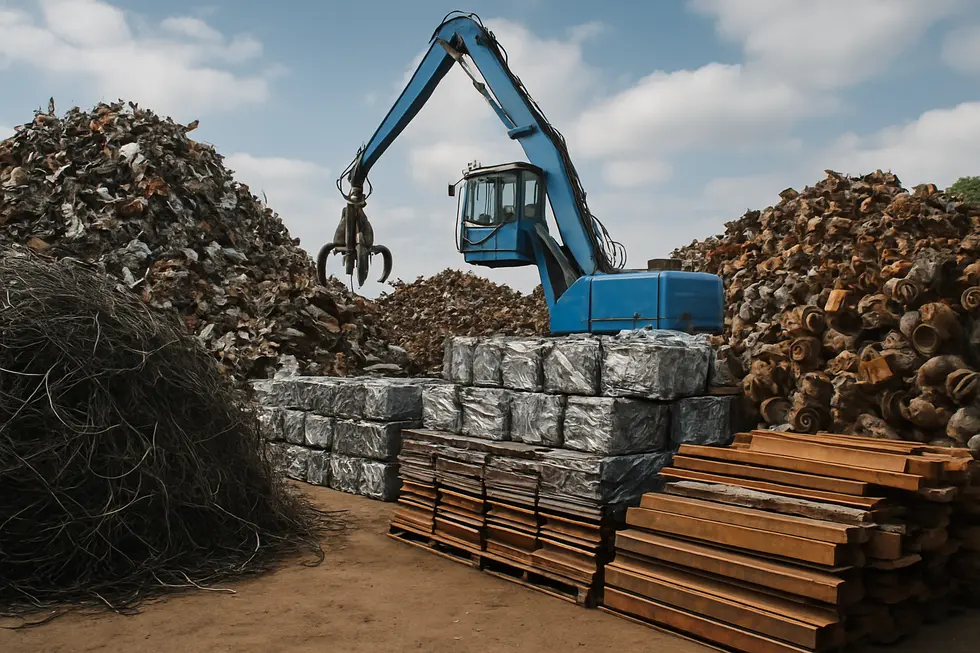
The processing and sales of mixed metal scrap not only bolster economic growth but also play a crucial role in environmental sustainability. As industries continue to advance, the demand for effective recycling solutions surges, paving the way for innovative practices in scrap management. This article delves into technological advancements, economic implications, environmental considerations, regulatory frameworks, and future trends in mixed metal scrap processing. By examining the nuances of this sector, we can better appreciate the intricate balance between economic vitality and ecological stewardship that it sustains.
Tables of Contents
Chapter 1: Advanced Technologies in Mixed Metal Scrap Processing and Sales
- Harnessing X-ray Fluorescence: A Pillar of Precision in Metal Scrap Processing
- Exploiting Laser-Induced Breakdown Spectroscopy for Superior Metal Scrap Sorting
- Mastering Scrap Segregation: The Role of Eddy Current and Magnetic Separation
- Blockchain: The Transparent Thread in Mixed Metal Scrap Supply Chains
- Mobile Processing Units: Transforming On-Site Mixed Metal Scrap Handling
Chapter 2: Revenue Streams and Environmental Gains in Metal Waste Reprocessing
- Harnessing Precision and Technology for Maximum Scrap Value
- Enhancing Economic Resilience Through Efficient Supply Chain Management in Scrap Processing
- Catalysts of Opportunity: Job Creation and Economic Growth
- Eco-Economic Advantages: Sustainability and Profit in Metal Scrap Recycling
- Achieving Operational Excellence: Boosting Profits in Mixed Metal Scrap
Chapter 3: Innovation and Efficiency: Advancing Environmental Practices in Metal Scrap Management
- Powering Sustainability: Energy-Efficient Techniques in Metal Scrap Recycling
- Navigating Regulatory Challenges in Mixed Metal Scrap Processing: Compliance and Sustainability
- Smart Integration of Advanced Technologies: Enhancing Metal Sortation and Value Recovery
- Strategic Segregation and Advanced Sorting: Achieving Optimal Material Purity
- Strategic Operations to Mitigate Environmental Impact in Metal Scrap Recycling
Chapter 4: Regulatory Framework and Best Practices for Mixed Metal Scrap Processing and Sales
- Navigating Licensing and Permits for Sustainable Metal Scrap Operations
- Environmental Compliance: The Backbone of Sustainable Scrap Metal Practices
- Ensuring Compliance: Documentation and Traceability in Metal Scrap Operations
- Pioneering Advanced Sorting Technologies in Sustainable Metal Scrap Processing
- Streamlined Operations: Best Practices in Mixed Metal Scrap Handling
Chapter 5: Innovations and Future Trends in Mixed Metal Scrap Processing and Sales
- AI-Driven Precision: Elevating Metal Scrap Sortation
- Blockchain: The Catalyst for Transparency and Trust in Scrap Metal Processes
- Empowering Metal Recycling: The Rise of Mobile Processing Units
- Sustainable Extraction: Eco-Friendly Innovations in Scrap Metal Processing
- Hydrometallurgy: Shaping Sustainable Metal Recovery in Mixed Scrap Processing
Chapter 1: Advanced Technologies in Mixed Metal Scrap Processing and Sales
1. Harnessing X-ray Fluorescence: A Pillar of Precision in Metal Scrap Processing
X-ray fluorescence (XRF) analyzers have revolutionized mixed metal scrap processing by delivering swift and precise non-destructive elemental analysis. By stimulating metal samples with high-energy X-rays, these analyzers allow for instantaneous element identification, crucial for sorting diverse metals like aluminum, copper, and stainless steel. With an accuracy of up to 0.1%, XRF aids in verifying compositions against industry standards and enhancing market valuations by preventing alloy contamination. While XRF remains pivotal, integrating techniques like LIBS can further refine sorting processes. Explore more about metal identification techniques at Tirapid Metal Identification.
2. Exploiting Laser-Induced Breakdown Spectroscopy for Superior Metal Scrap Sorting
Harnessing Laser-Induced Breakdown Spectroscopy (LIBS) in scrap metal processing revolutionizes the industry by enabling rapid and precise elemental analysis. LIBS is essential for segregating high-value alloys like copper and aluminum, reducing contamination and enhancing recycling efficiency. By integrating LIBS with machine learning, processors achieve over 90% accuracy in sorting, crucial for boosting material recovery rates and meeting global sustainability goals. Such advancements position LIBS at the forefront of elevating circularity in metal recycling, unlocking significant economic and environmental benefits. For further reading on LIBS advancements in copper alloys, visit Austin AI, Inc..
3. Mastering Scrap Segregation: The Role of Eddy Current and Magnetic Separation
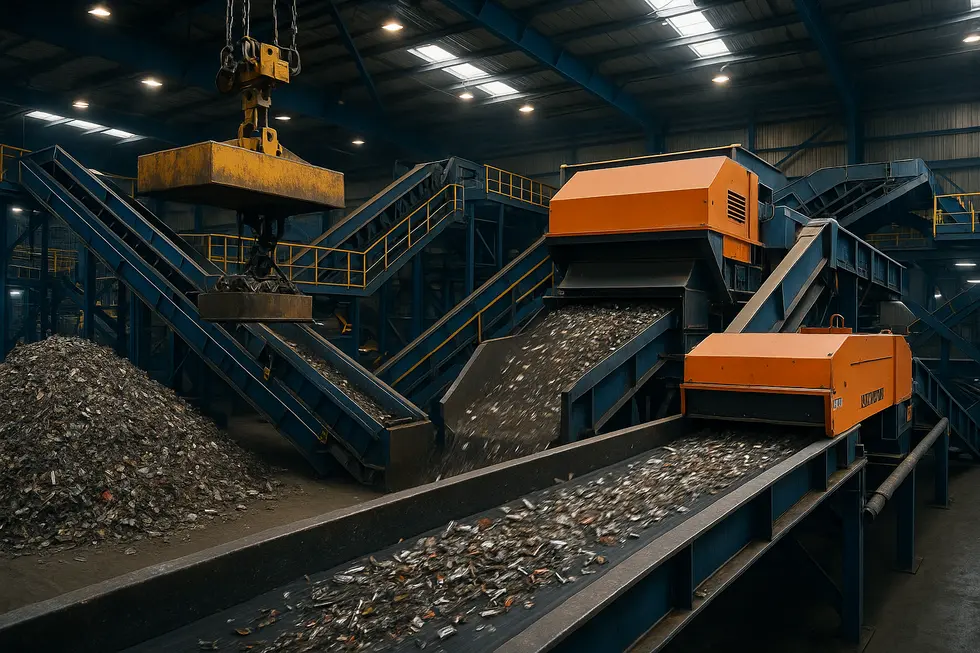
Eddy current and magnetic separation are critical in refining mixed scrap metal processing. Magnetic separation removes ferrous metals using potent magnetic fields, setting the stage for eddy current separation, which targets non-ferrous metals like aluminum and copper. As metal scraps move over a high-speed rotor drum, eddy currents are induced, repelling non-ferrous metals into collection areas. This high-speed, non-contact technique significantly increases separation efficiency, reducing manual labor and maximizing resale value. Explore more about such innovations at E-waste Recycling and Sustainable Technology.
4. Blockchain: The Transparent Thread in Mixed Metal Scrap Supply Chains
Blockchain integration in mixed metal scrap processing enhances transparency and traceability by maintaining immutable records of scrap origins and processes. This digital tagging system enables verification of quality standards, mitigates fraud, and supports sustainable practices by providing a transparent view of the material flow. Economy Insights features in-depth discussions on blockchain in recycling. Blockchain fosters trust among stakeholders, paving the way for cleaner, certified scrap trade, particularly useful in meeting sustainability goals.
5. Mobile Processing Units: Transforming On-Site Mixed Metal Scrap Handling
In the mixed metal scrap industry, mobile processing units serve as a pivotal innovation. They enable on-site crushing and compacting of scrap at collection points, minimizing logistics overheads and environmental impacts. These units enhance efficiency by reducing transport volumes and emissions, while offering versatility via trailer-mounted or self-propelled models suited for diverse terrains. Advanced features such as automation ensure operator safety and productivity. Check AZ Scrap for further insights on mixed metal scrap services.
Chapter 2: Revenue Streams and Environmental Gains in Metal Waste Reprocessing
1. Harnessing Precision and Technology for Maximum Scrap Value
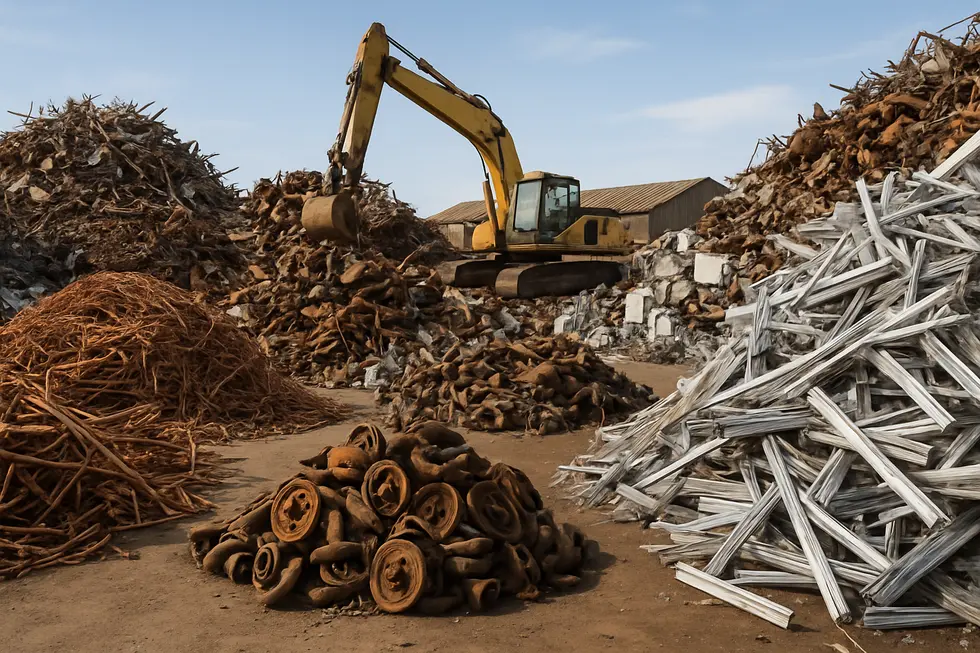
Strategic metal segregation is crucial in enhancing scrap value. By investing in AI-driven sorting systems—such as XRT or LIBS—facilities improve material purity and sale prices. Transitioning from mixed to categorized scrap can increase value by 425%. Moreover, timing the market and expanding buyer networks ensure optimal revenue streams. For deeper insights into aluminum recycling innovations, visit Aluminum Recycling Innovations. Resources like FinModelsLab offer additional profitability strategies.
2. Enhancing Economic Resilience Through Efficient Supply Chain Management in Scrap Processing
The economic stability of the mixed metal scrap processing industry is significantly enhanced by efficient supply chain management. Utilizing domestically sourced scrap ensures reduced dependence on volatile global markets, making operations more predictable and secure. This stability translates into enhanced profitability as efficient sorting of metals, particularly through advanced technologies, increases value retention. Moreover, integrating state-of-the-art sorting technology improves yield and lowers costs, directly enhancing economic returns Turning Waste into Wealth. Through these strategic optimizations, the industry not only fortifies its economic resilience but also contributes to sustainable industrial growth.
3. Catalysts of Opportunity: Job Creation and Economic Growth
Mixed metal scrap processing extends its impact beyond sustainability by catalyzing job creation and economic growth. Recycling projects generate more jobs compared to traditional waste management practices. In South Carolina, for instance, the recycling industry supports over 54,000 jobs. Additionally, recycling fosters industrial growth by supplying essential materials to sectors like automotive and construction, leading to reduced import dependence and energy-efficient manufacturing. These dynamics help maintain economic resilience and sustainability, crucial for regions like South Africa’s scrap-based steelmaking initiatives. Learn more about transformative recycling practices.
4. Eco-Economic Advantages: Sustainability and Profit in Metal Scrap Recycling
Recycling mixed metal scrap not only conserves natural resources but also drastically cuts energy usage. For instance, recycling aluminum and steel saves 95% and 74% of energy, respectively, versus raw production. This reduction lessens the mining burden, preserving ecosystems. Economically, the sector injects billions into global economies and nurtures countless jobs. Additionally, mixed metal recycling forms the backbone of a circular economy by maintaining metals indefinitely. Discover more about the circular economy.
5. Achieving Operational Excellence: Boosting Profits in Mixed Metal Scrap
In the competitive arena of mixed metal scrap processing, operational efficiency directly correlates to profitability. Advanced sorting technologies, such as eddy current separators and X-ray fluorescence, enhance the separation of high-value metals from lower-value ferrous variants, increasing load value by over 400% [4]. By upgrading technology, recycling plants optimize throughput and material yield, while reducing labor and maintenance costs by 5-10% [2]. These advancements not only drive economic growth but also support sustainability goals by significantly lowering energy consumption—critical for transitioning towards local economies and circular metal industries [1]. The integration of these innovative sorting solutions can be further explored through practical insights and strategies on improving income in the scrap metal sector (https://finmodelslab.com/blogs/how-much-makes/scrap-metal) [2].
Chapter 3: Innovation and Efficiency: Advancing Environmental Practices in Metal Scrap Management
1. Powering Sustainability: Energy-Efficient Techniques in Metal Scrap Recycling
Energy efficiency in metal scrap processing is pivotal in reducing the carbon footprint. By recycling metals like aluminum and steel, energy consumption drops by 95% and 60-74% respectively, compared to primary production. This translates into significant greenhouse gas reductions. Advanced sorting technologies further enhance energy savings by maximizing alloy recovery. Such practices support a thriving circular economy and underscore the importance of reducing reliance on virgin materials. Discover more about ADC-12 aluminum recycling.
For a comprehensive understanding of decarbonizing aluminum through circularity, explore McKinsey & Company’s insights here. Additionally, delve into M&M Recycling’s consumer-focused strategies to optimize metal scrap returns.
2. Navigating Regulatory Challenges in Mixed Metal Scrap Processing: Compliance and Sustainability
In the realm of mixed metal scrap processing, regulatory challenges are pervasive and multifaceted. Facilities must secure comprehensive licensing, ensuring they adhere to stringent Environmental Protection Agency guidelines. Safe handling of hazardous metals like lead and mercury is paramount to prevent environmental contamination. Advanced sorting technologies bolster compliance by ensuring metal purity, supporting both environmental safety and market value. Moreover, economic sustainability links closely with regulatory adherence, as investments in cutting-edge technology can cushion against market volatility and operational inefficiencies. Referencing EPA guidelines and Momerecycling’s insights can provide invaluable guidance for aligning with both environmental and economic goals.
3. Smart Integration of Advanced Technologies: Enhancing Metal Sortation and Value Recovery
Incorporating Cutting-edge Sorting Technologies
Integrating advanced technologies has revolutionized mixed metal scrap processing by improving sorting precision and material recovery. The use of X-ray fluorescence (XRF) enables accurate chemical composition analysis, identifying metals for high-quality recycling. Eddy current separators effectively isolate non-ferrous metals like aluminum, while laser-induced breakdown spectroscopy (LIBS) offers real-time metal identification, streamlining operations. Robotics and AI-driven optical scanners reduce manual labor, boosting throughput and ensuring high-purity metals. These technologies not only minimize waste and landfill contributions but also elevate scrap value by up to 25%, reinforcing the sustainability of recycling practices. For practical insights into maximizing metal scrap returns, visit M&M Recycling’s consumer-focused tips.
4. Strategic Segregation and Advanced Sorting: Achieving Optimal Material Purity
Implementing best practices in material handling for mixed metal scrap processing is critical to enhancing both environmental and economic value. This involves strategic segregation at the source, utilizing color-coded bins to maintain material purity. Facilities deploy advanced technologies such as AI-powered robotics for precise sorting, significantly improving recycling efficiency. Regular worker training and contamination control, including washing techniques, ensure high-quality output. Monitoring and refining processes supports continuous improvement, crucial for sustainable practices in scrap management. For more insights, see this scrap metal management guide.
5. Strategic Operations to Mitigate Environmental Impact in Metal Scrap Recycling
Operational strategies for mixed metal scrap processing not only optimize economic returns but crucially reduce environmental impact. Companies employ advanced sorting technologies like AI and robotics to enhance material purity and efficiency. By separating ferrous and non-ferrous metals, companies maximize recovery rates and adhere to environmental regulations. These practices drastically reduce energy consumption, cutting the carbon footprint significantly compared to new metal production. Moreover, processes like hydrometallurgical leaching enable precious metal extraction without high-temperature emissions, aligning corporate operations with circular economy principles. Transitioning to these innovative methods supports the dual goals of business profitability and environmental stewardship. For insights into circular economy benefits, explore Az Scrap Environment. Further technical details can be found at Okon Recycling.
Chapter 4: Regulatory Framework and Best Practices for Mixed Metal Scrap Processing and Sales
1. Navigating Licensing and Permits for Sustainable Metal Scrap Operations
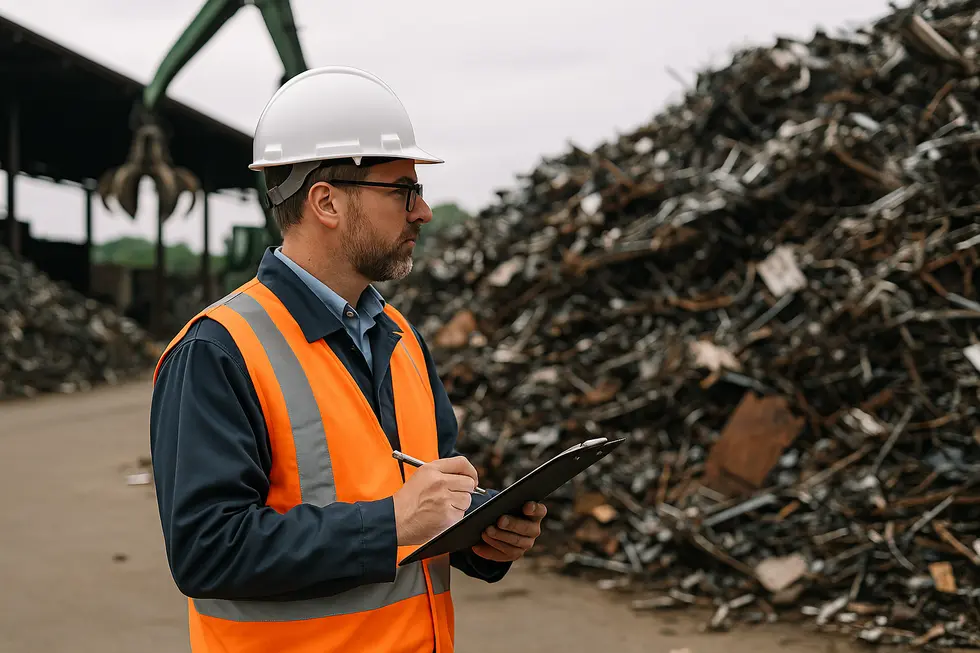
Complying with the intricate web of local, state, and federal regulations is fundamental for mixed metal scrap processing businesses aiming for sustainability. Facilities must secure business licenses, environmental permits, and transportation licenses to legally operate. Adhering to hazardous material protocols is critical, often under the watchful eye of agencies such as the Environmental Protection Agency (EPA).
A well-placed facility meeting zoning laws and safety standards ensures operational efficiency and environmental compatibility. Forward-thinking enterprises must invest in advanced sorting equipment to uphold accurate classification and pricing, thereby maximizing compliance and accountability. For targeted guidance, referencing resources like the Ultimate Guide to Finding the Best Metal Scrap Recycling Center is beneficial. Successful operations prioritize proper documentation and effective logistics planning to mitigate the risks associated with high-value metal transactions.
2. Environmental Compliance: The Backbone of Sustainable Scrap Metal Practices
Environmental compliance is integral to scrap metal processing, ensuring adherence to vital local, state, and federal laws. Facilities must obtain necessary permits for eco-friendly operations, leveraging technologies like magnetic separators and eddy current systems to mitigate contamination. Startup costs are heavily influenced by licenses and insurance, safeguarding operations against legal issues. Success hinges on rigorous training and balancing efficiency with regulatory demands, supported by insights from environmental strategies.
3. Ensuring Compliance: Documentation and Traceability in Metal Scrap Operations
The effective management of documentation and traceability in mixed metal scrap operations is vital for compliance and environmental stewardship. Ensuring licensing and regulatory conformance begins with obtaining necessary permits, spanning from environmental to transportation. Implementing digital traceability systems transforms operational transparency, supporting accurate records such as Certificates of Disposal (CODs) and transporter logs. Document retention practices, including secure storage and encryption, uphold data integrity, while material testing documentation enhances pricing precision. Safety protocols encapsulate hazardous material handling, underscoring the role of meticulous record-keeping in operational success. For more on certified waste reporting, visit this link.
4. Pioneering Advanced Sorting Technologies in Sustainable Metal Scrap Processing
The path to efficient mixed metal scrap processing is illuminated by advanced sorting technologies. Using state-of-the-art tools like XRF analyzers, eddy current separation, and LIBS, facilities achieve meticulous segregation of metals. These methods not only streamline operations but also boast a 5–15% increase in processing efficiency and yield. Simultaneously, employing blockchain ensures regulatory compliance by tracing metal origins, enhancing ethical and transparent recycling practices. For an in-depth look at aluminum sorting advancements, read more about aluminum recycling innovations.
5. Streamlined Operations: Best Practices in Mixed Metal Scrap Handling
Optimizing operations in mixed metal scrap processing involves several critical practices. Strategic segregation at the source using labeled bins ensures high-quality material flow. Employing advanced sorting technologies like XRF and LIBS maximizes alloy recovery while minimizing errors. Furthermore, workflow efficiencies paired with thorough staff training bolster throughput and cost management. These practices assure compliance with environmental regulations, vital for avoiding penalties and enhancing profitability. For more on optimizing processes, visit our detailed guide.
Chapter 5: Innovations and Future Trends in Mixed Metal Scrap Processing and Sales
1. AI-Driven Precision: Elevating Metal Scrap Sortation
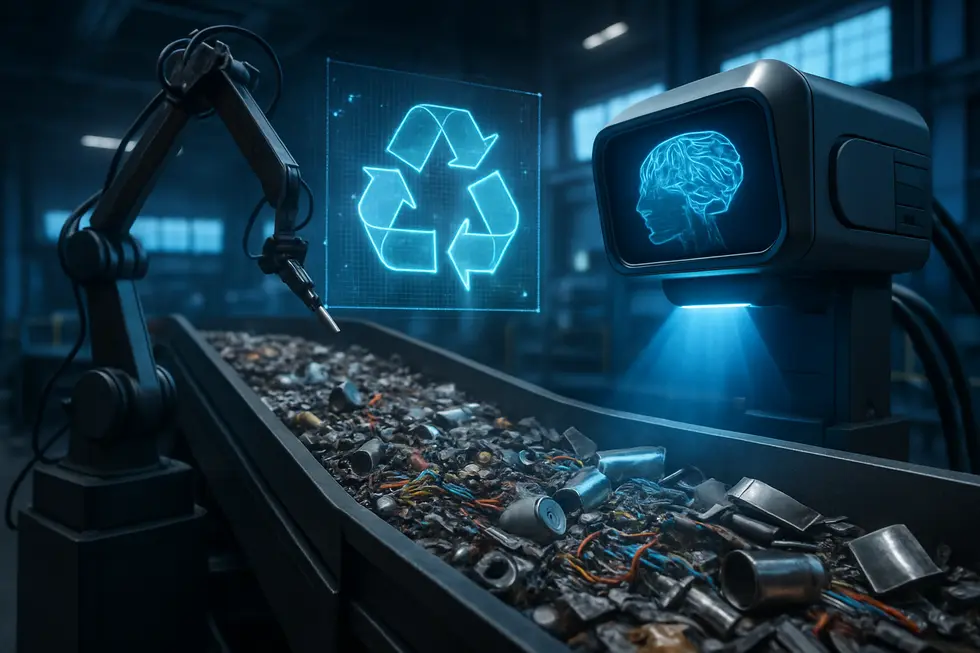
Revolutionizing the scrap industry, AI-powered sorting systems enhance efficiency and accuracy. These advanced tools employ deep learning and sensor fusion, distinguishing subtle metal variances like aluminum cans from foil with up to 99% precision. Coupled with RFID and IoT technology, these systems streamline operations, tracking real-time data and ensuring high material purity. This tech shift not only boosts labor efficiency but also elevates recycling quality, potentially increasing profitability significantly.
2. Blockchain: The Catalyst for Transparency and Trust in Scrap Metal Processes
Blockchain technology offers transformative transparency in mixed metal scrap processing by establishing an unchangeable ledger for every transaction. This immutable audit trail ensures compliance and enhances trust among stakeholders. Real-time visibility across the network facilitates informed decisions, while traceability boosts asset management efficiency. These advancements are already reshaping the industry, making blockchain indispensable for safeguarding data integrity and fostering accountable innovation. For further insights on blockchain’s industry applications, refer to this source.
3. Empowering Metal Recycling: The Rise of Mobile Processing Units
Mobile Processing Units (MPUs) are dramatically reshaping the landscape of mixed metal scrap processing and sales. By enabling on-site operations such as compression and cutting, MPUs minimize transportation costs and logistical complexities. Portability is key as these units can be deployed anywhere from urban demolition sites to remote areas, enhancing operational reach. Advanced hydraulic systems and automation further optimize their efficiency. IoT technology enhances predictive maintenance and operational monitoring. As we look forward, these innovations are set to promote sustainable practices by boosting recovery rates while reducing environmental impact, aligning with broader circular economy goals. More insights on mobile balers can be found here.
4. Sustainable Extraction: Eco-Friendly Innovations in Scrap Metal Processing
In the quest for reduced environmental impact, the mixed metal scrap industry is adopting a blend of innovative chemical, mechanical, and automated technologies. The integration of biodegradable solvents and hybrid recycling systems marks a pivotal advance. These innovations, complemented by robotics in sorting and disassembly, notably decrease harmful emissions and improve recovery efficiency. Such approaches affirm the industry’s commitment to a circular economy, substantially lowering chemical use and energy consumption while enhancing metal recovery rates. For more insights on sustainable practices, see Okon Recycling’s overview.
5. Hydrometallurgy: Shaping Sustainable Metal Recovery in Mixed Scrap Processing
Incorporating hydrometallurgical techniques into mixed metal scrap processing signals a significant shift towards sustainability. By leaching valuable metals like rare earth elements and lithium at high purity levels, these methods significantly reduce the environmental footprint compared to traditional smelting. The integration of advanced technologies optimizes workflows, enhancing both recovery efficiency and closed-loop recycling models. This approach not only addresses regulatory pressures but also increases the economic viability of the industry. For further exploration, visit the Okon Recycling article on optimizing scrap management.
Final thoughts
The journey of mixed metal scrap processing and sales underscores the symbiotic relationship between economic growth and environmental sustainability. By incorporating advanced technologies and adhering to stringent regulatory practices, the industry not only enhances its operational efficiency but also champions the principles of a circular economy. Al Zuhour Al Hamra invites industry stakeholders to collaborate towards a greener future, leveraging innovations and best practices for sustainable metal recycling.
At Al Zuhour Al Hamra, we are committed to driving innovation and sustainability across the recycling industry. We invite you to contact us for expert advice on integrating the latest recycling technologies and best practices into your operations. Our team offers resources and consultations tailored to your specific recycling needs and sustainability goals. Get a quote for your scrap recycling requirements or request a detailed consultation on emerging industry practices that can enhance your recycling outcomes. As we work towards a more sustainable future, let Al Zuhour Al Hamra be your trusted partner in achieving excellence in recycling and environmental responsibility. For further exploration, check out related articles and insights on the groundbreaking developments reshaping our industry here. Together, let’s lead the way in recycling innovation, sustainability, and CO₂ reduction.
About us
Al Zuhour Al Hamra Metal Scrap Tr. LLC is a leading recycling company in the UAE, processing over 7,000 metric tonnes of mixed nonferrous metals annually, including aluminium, copper, lead, magnesium, stainless steel, nickel, tin, and zinc. We transform mixed metal scraps into functional products while maintaining a strict zero-landfill policy, advanced recovery systems, and GRI-based reporting for transparency on waste diversion and carbon impact. In addition to recycling, we offer compressors, stators, and alternators for sale, serving clients across Abu Dhabi, Dubai, the wider UAE, and international markets. For more information, visit our About Us page.
